Listen to The Volunteer Traveler series one now

Endangered Species Conservation

Excellent
0%

What Does the Ethical Score Mean?

Each project on our website features an Ethical Score—a transparent rating from our EthicCheck tool. It’s based on evidence from our project partners and measured against key ethical criteria: animal welfare, community impact, environmental sustainability, and transparency.

Grounded in expert standards and the values of ethical travellers like you, this score shows how a project actually performs—not just what it claims.

The Endangered Species Conservation facility manages a number of captive breeding programs and partners with Government authorities, universities and zoological institutions to conduct vital research on Australian wildlife. The facility focuses on threatened species, particularly the Northern and Southern Hairy-nosed Wombats. 

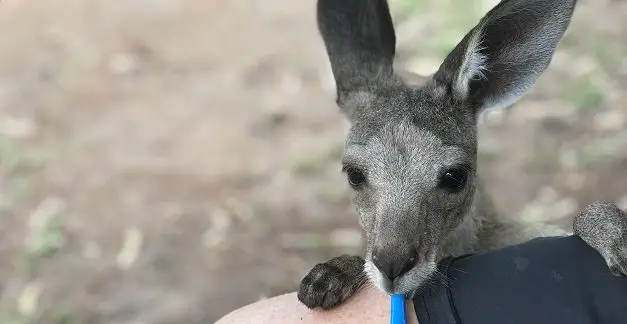
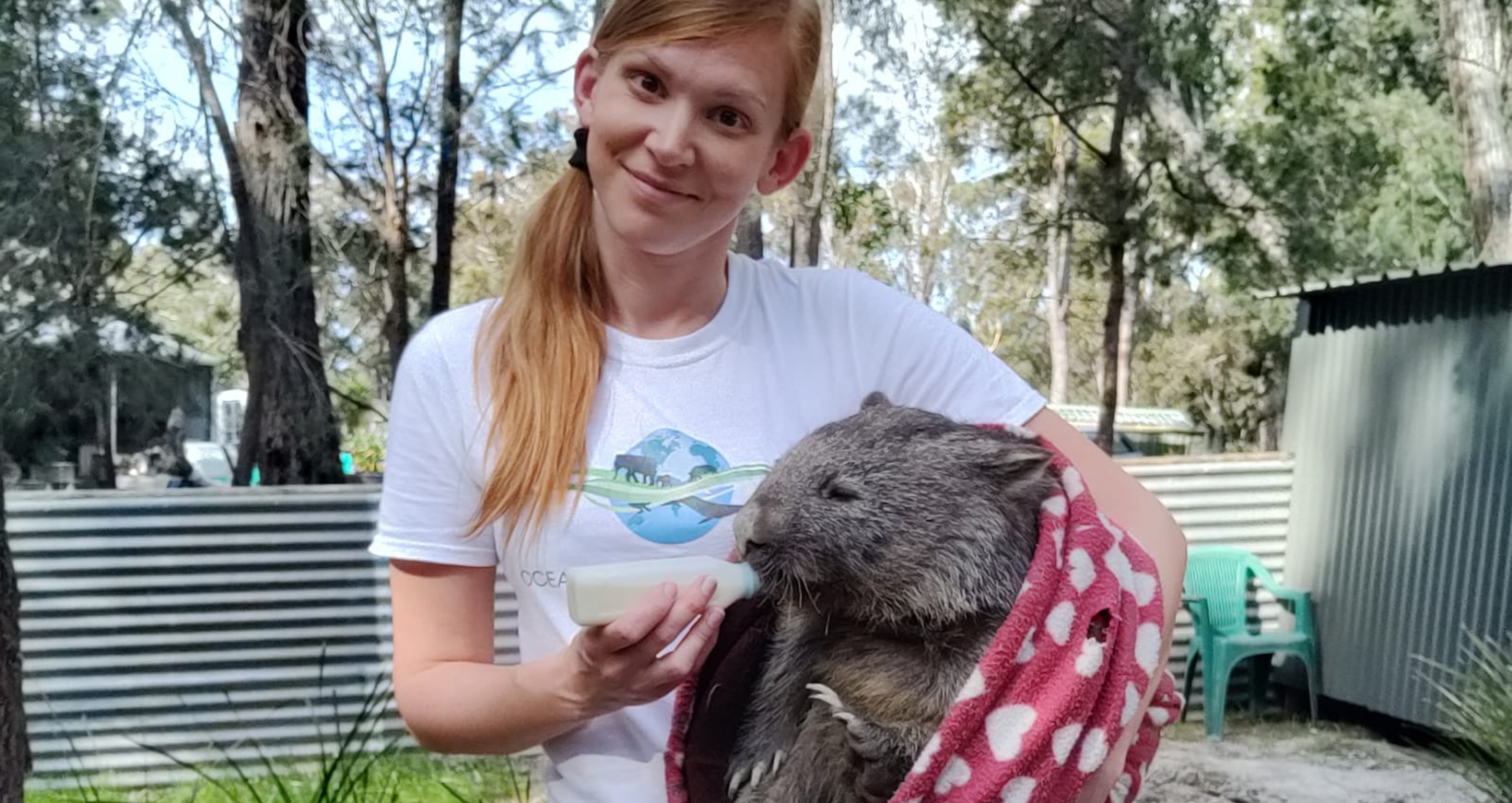
The centre also provides medical care for a small number of injured, sick and orphaned wildlife through its rescue and rehabilitation program. Animals in care include sugar gliders, squirrel gliders, birds, lizards, non venomous snakes and joeys who are on bottles. Animals are nursed back to health with the goal of being well enough to be released back into the wild. The facility also supports other wildlife carers who assist with this dedicated work.

The centre delivers a range of wildlife education programs to enable local community groups, industry bodies, school groups and individuals to be actively involved in the conservation of native animals. The programs highlight the importance of maintaining a healthy natural environment to ensure the well-being of our native species.

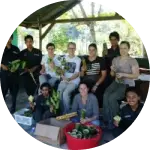
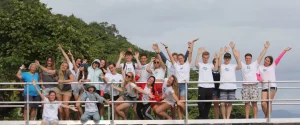
The facility welcomes students and volunteers from all over the world to learn about Australian wildlife and contribute to the breeding, research and education programs.

Your Contribution

As a not for profit organisation, the facility relies on financial support from grants, fundraising, donations and membership fees. Volunteer fees contribute to the cost of food, water and utilities such as electricity.

Volunteers will be contributing to the survival of endangered species that are found nowhere else in the world.

Volunteers will help to support animals who require intensive care in order to be rehabilitated and released back into the wild.

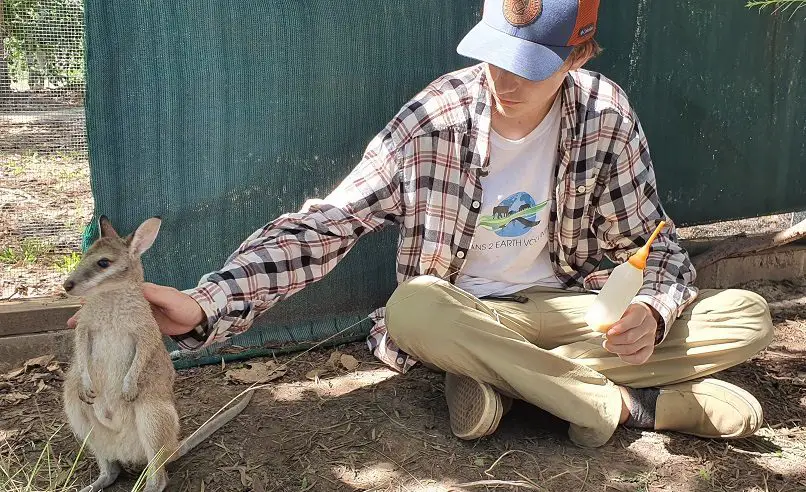
Volunteers will be directly involved in the care of the animals.  In Summer, the day begins at approximately 6am where you will undertake animal husbandry duties, including bottle feeding the joeys, food preparation and harvesting, washing and cleaning of enclosures. Other activities include enclosure maintenance, tree planting and participation in fundraising events and community education activities. Work is finished around 11am.

The middle of day break gives the volunteers the opportunity to clean the volunteer facilities, e.g. bedrooms, bathrooms and the kitchen.

Work starts again at 4pm  where volunteers bottle feed animals , prepare food, feed the animals and do a final clean up until about 6pm

The evening is spent relaxing and feeding joeys for the night. 

In Winter when it is not so hot, the volunteers start an hour later and finish an hour earlier. 

There is always a board with a jobs list which is updated and a list of extra jobs for anyone wanting a bit extra to do.

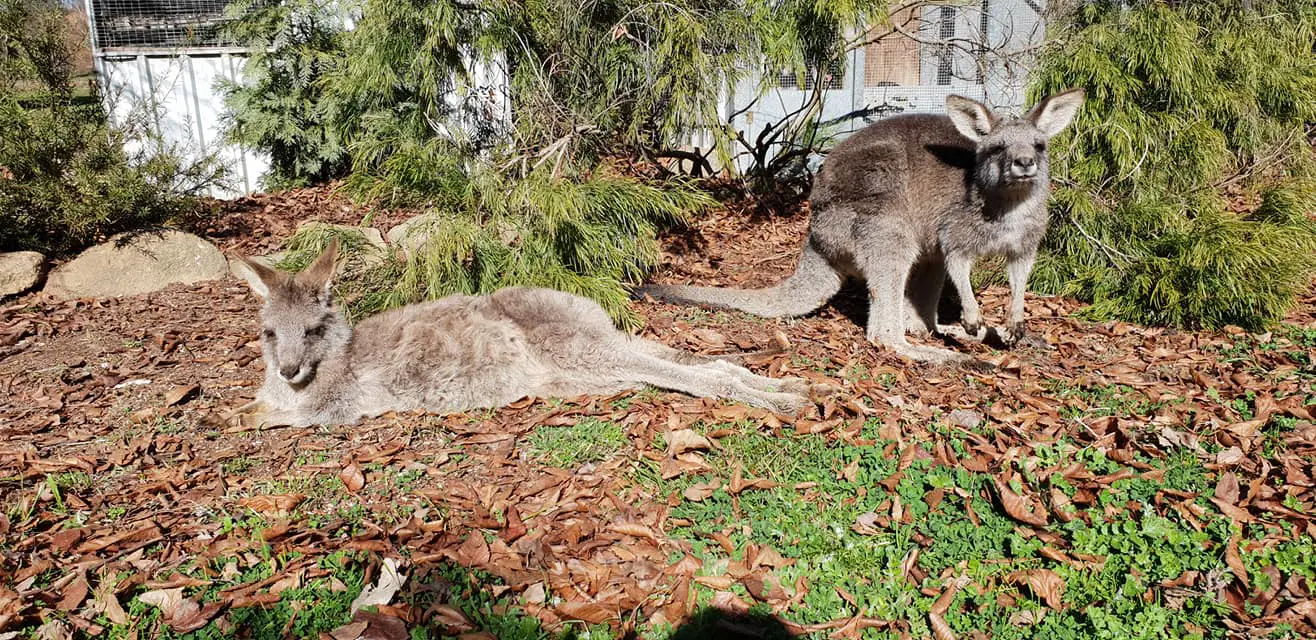
The animals volunteers care for  Southern Hairy Nosed Wombats, Northern Hairy Nosed Wombats, Sugar Gliders, Squirrel Gliders, lizards, snakes and birds. Koalas, wallaroos, kangaroos and wallabies are often in care and require bottle feeding.

Volunteers must be minimum 18 years old, fluent in English, hardworking, able to work effectively in the heat and to take direction from full time carers. Volunteers should possess a genuine desire to care for animals and be committed to their conservation.

The Gladstone Region is located on Queensland’s Central Coast and is home to over 67,000 people. Situated at the southern end of the Great Barrier Reef, Gladstone offers access to uninhabited coral cays, waterways and beaches. Its sub-tropical climate is perfect for year-round boating, fishing and swimming.

Gladstone itself is a hillside city, overlooking Port Curtis, Queensland’s largest multi-commodity shipping port. Marine activities are the lifeblood of the city; the people of Gladstone own more boats per person than nearly any other community in Australia! Charter boats provide access to the area’s many off-shore islands.

Mainland Australia is the world’s largest island, but the smallest continent covering an area of 7.69 million square kilometres. Its ocean territory is also the third-largest in the world, spanning three oceans and covering around 12 million square kilometres.

Fly to Brisbane, Australia, then take a bus or train from Brisbane to Gladstone. Volunteers may be picked up from Gladstone Airport or they can take a train or bus to the local town for pick up.

Start dates are Mondays and Wednesdays

2-6 weeks (longer by negotiation).

Two shifts a day, morning and afternoon.

Either same sex single or twin share rooms with shared bathroom and kitchen, 

Food is supplied, however volunteers are required to prepare their ownday time meals from supplies. Dinner is made and enjoyed by the group on a nightly basis.

Vegan and vegetarian options are available.

Drinking water is supplied.

Once a week, staff and volunteers take a trip to visit Gladstone to stock up on supplies and look around town.

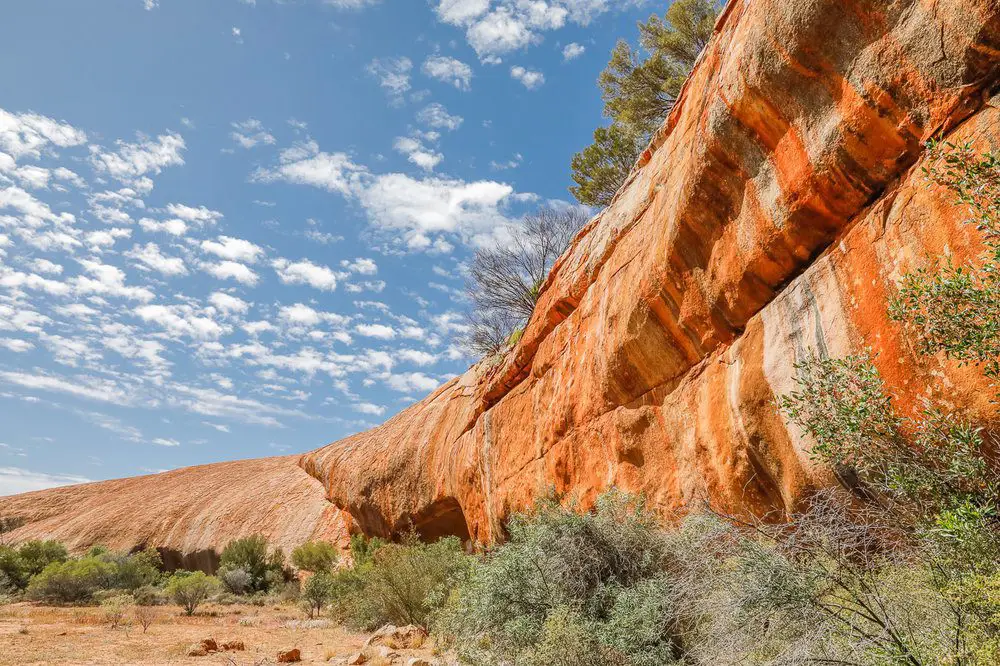
Only minutes from the project location is Gladstone’s most prominent natural landmark – Mount Larcom. If you are up for a challenge, why not climb to its peak, 632 metres above sea level? It might take a few hours, but once at the summit you will be rewarded with uninterrupted views of rural farmland, Gladstone’s harbour and, on a clear day, the islands of the Great Barrier Reef.

If Mount Larcom sounds a bit too strenuous, try taking in the spectacular view from one of the more easily accessed lookouts in Gladstone, such as Round Hill Lookout or Auckland Hill Lookout right in the city.

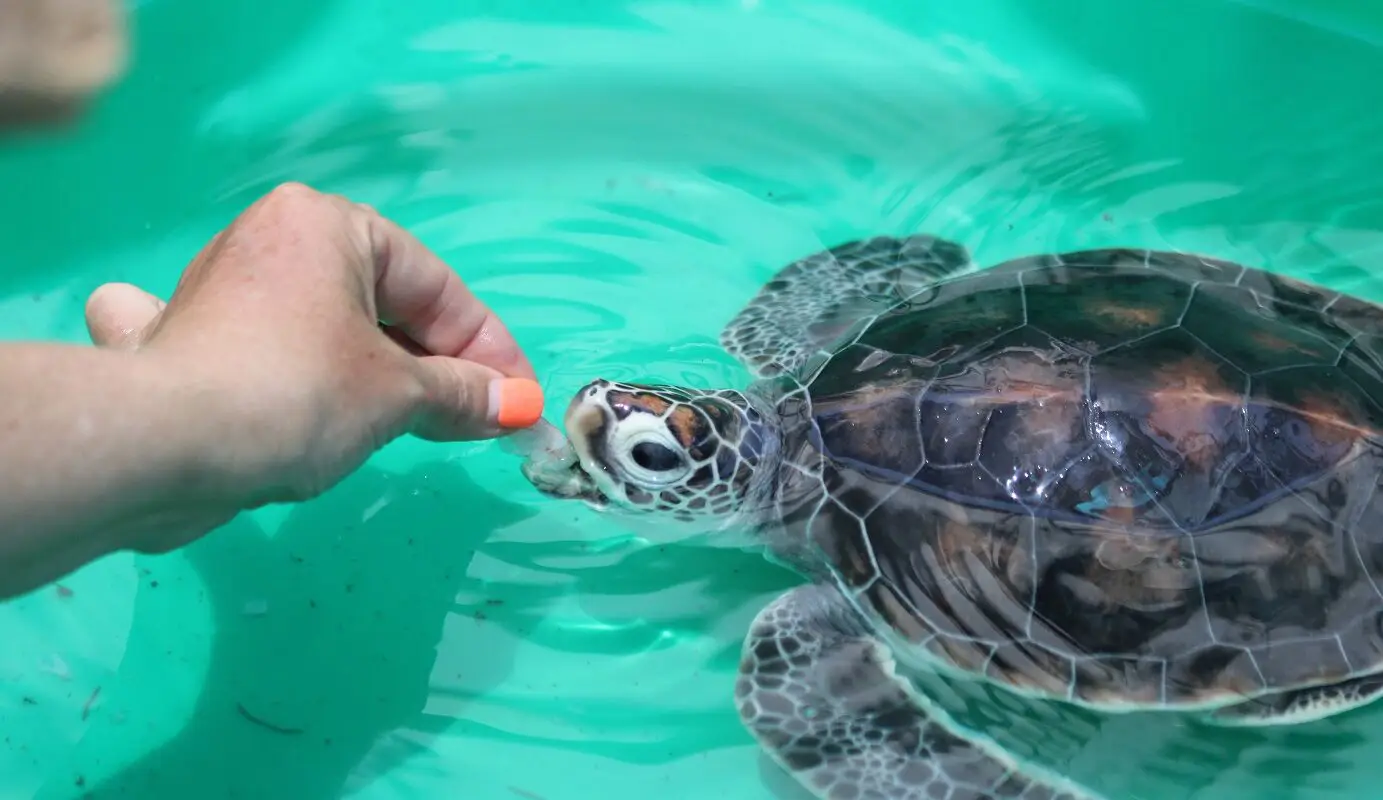
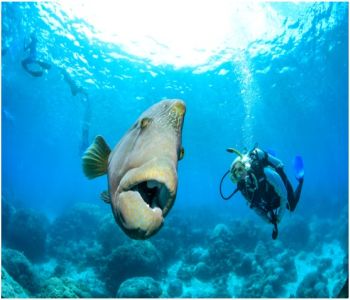
On the city’s foreshore you will find Spinnaker Park. Enjoy the native wetlands, explore the walking tracks or have a good old fashioned Aussie barbeque amongst the beautifully landscaped parkland. You can take a dip at the park’s beach cove or relax at one of the many nearby beaches. Or perhaps take a trip to nearby Heron or Wilson Islands and experience all the magic of the Great Barrier Reef. Swim, snorkel or scuba dive with brightly-coloured fish and turtles or simply enjoy the peace and quiet.

If you like to throw in a line, consider a visit to Lake Awoonga, 25km south of Gladstone. The lake, which is Gladstone’s primary water source, has been stocked with over 2 million barramundi over the past 10 years, along with several other fish species. For keen birdwatchers, over 200 species of bird can be found here.

Head back to Gladstone to experience the city’s famous mud crab and fresh seafood, take in some culture at the Gladstone Regional Art Gallery or enjoy one of the many community events and festivals on offer.

If you are lucky enough to visit in April, enjoy watching the yachts arrive at the finish line at the Brisbane to Gladstone Yacht Race. If visiting in June, don’t miss Ecofest, central Queensland’s largest environmental awareness event, with its wide range of eco-friendly displays and stalls.

Please note that project staff cannot provide transport for sightseeing, therefore volunteers are best to either hire a car or see the sights before or after their placement.

From AUD $121 a day

DurationCost (AUD)
1 week$1235
2 weeks$2100
3 weeks$2965
4 weeks$3830
5 weeks$4695
6 weeks$5560
7 weeks$6410
8 weeks$7260
Each additional week$850

What’s included:

  • Pre-departure support
  • Project Information Pack
  • Transfers from the local town to the project (depending upon availability)
  • On the job training
  • Accommodation
  • Meals
  • O2E T-Shirt
  • 24-hour in-country support
  • Certificate of participation, if requested

*Please note some items are not included in the project fees listed above, such as flights, visas, vaccinations, travel insurance, snacks, spending money, local transport, in-country tours and return airport transfer (unless mentioned above). Please note that prices are subject to change without notice. Please ensure you have read the O2E Volunteers Terms and Conditions.

Accommodation & Location

Prices from *$555 per day

*Prices may vary depending on the package chosen
Duration Cost (AUD)
2 weeks $2200
4 weeks $4471
Accommodation upgrades are available, email us!

How Your Contribution Creates Impact

1

Money to the Project 35%

Direct support for wildlife, marine conservation, or community initiatives.

2

Operations Costs 41%

Essential resources to keep our programs running smoothly and ethically.

3

Accommodation 35%

Comfortable, eco-conscious lodging for your stay.

4

Catering 51%

Locally sourced meals to fuel your experience.

5

Taxes & Charges 62%

Mandatory contributions to ensure compliance with local and international regulations.

6

Donation 55%

Additional funds to amplify the long-term impact of conservation and ethical projects.

What’s Included:

*Please note some items are not included in the project fees listed above, such as flights, visas, vaccinations, travel insurance, snacks, spending money, local transport, in-country tours and return airport transfer (unless mentioned above). Please note that prices are subject to change without notice. Please ensure you have read the O2E Volunteers Terms and Conditions.

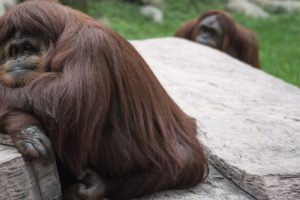
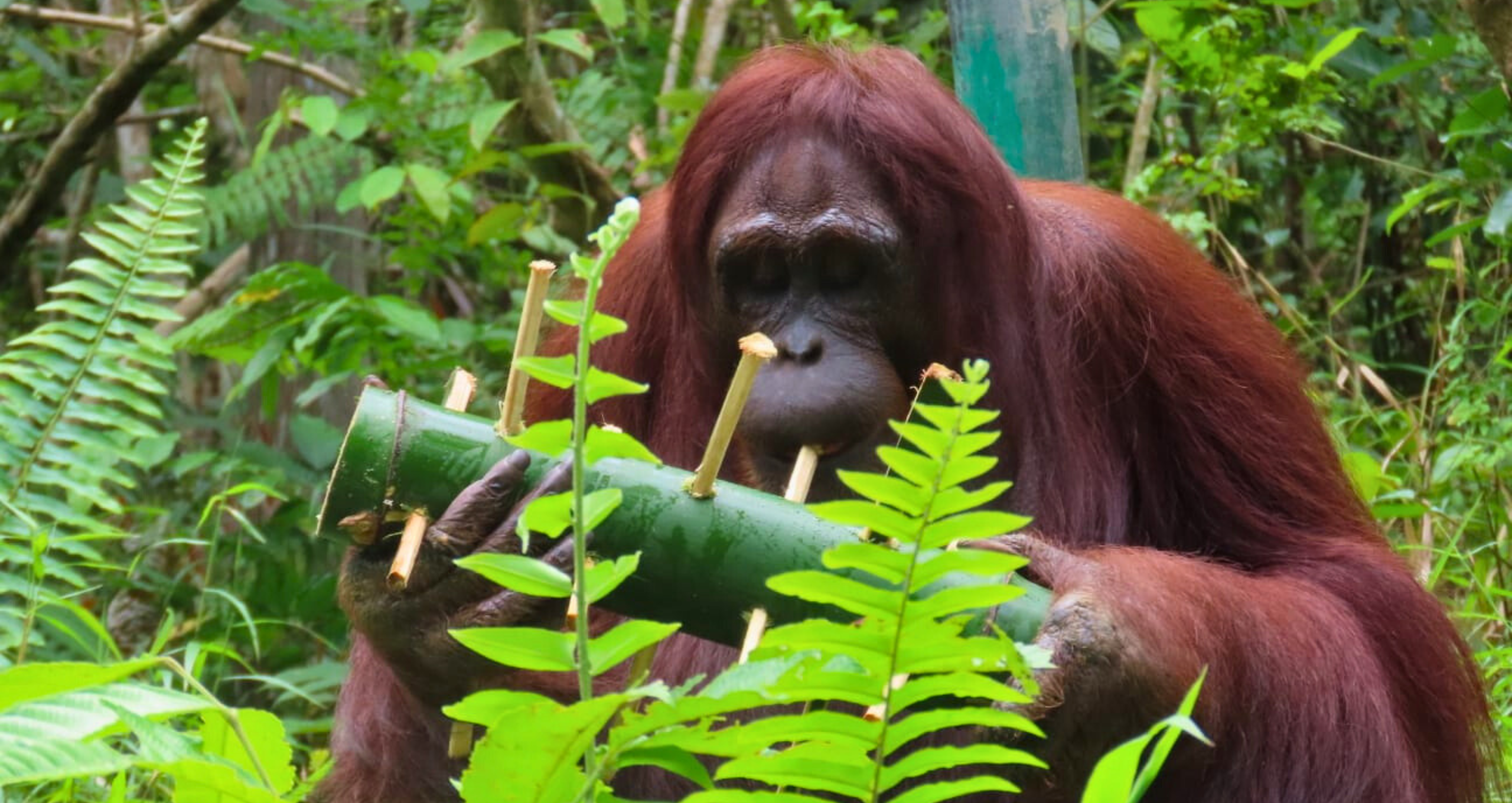
"It was hands-on, hard work and very satisfying. The highlight of each day was watching the keepers distribute the new enrichment items and observing and noting how the orangutans interacted with them. I was moved to tears! "
Emma D.
Sweden

How to Get Started

01

Pick a project and apply for free

02

Receive your acceptance email

03

Pay your $495AUD deposit which confirms your placement

04

Receive your first email from your customer care coordinator

05

Save, pack, go!

wpChatIcon
wpChatIcon