
Listen to The Volunteer Traveler series one now

Diploma of Marine Conservation Volunteering

Diploma of Marine Conservation Volunteering

Study marine conservation online, then apply your learning on the Great Barrier Reef

The Diploma of Marine Conservation Volunteering combines online study with practical snorkelling-based fieldwork on the Great Barrier Reef. Written by Oceans 2 Earth Volunteers and delivered and accredited through our education partner, CGCS — Centre for Global Citizenship Studies, this program gives students and conservation-minded travellers a structured way to build marine knowledge, complete practical fieldwork and contribute to reef monitoring activities in Cairns.

Study marine conservation online, then apply your learning on the Great Barrier Reef

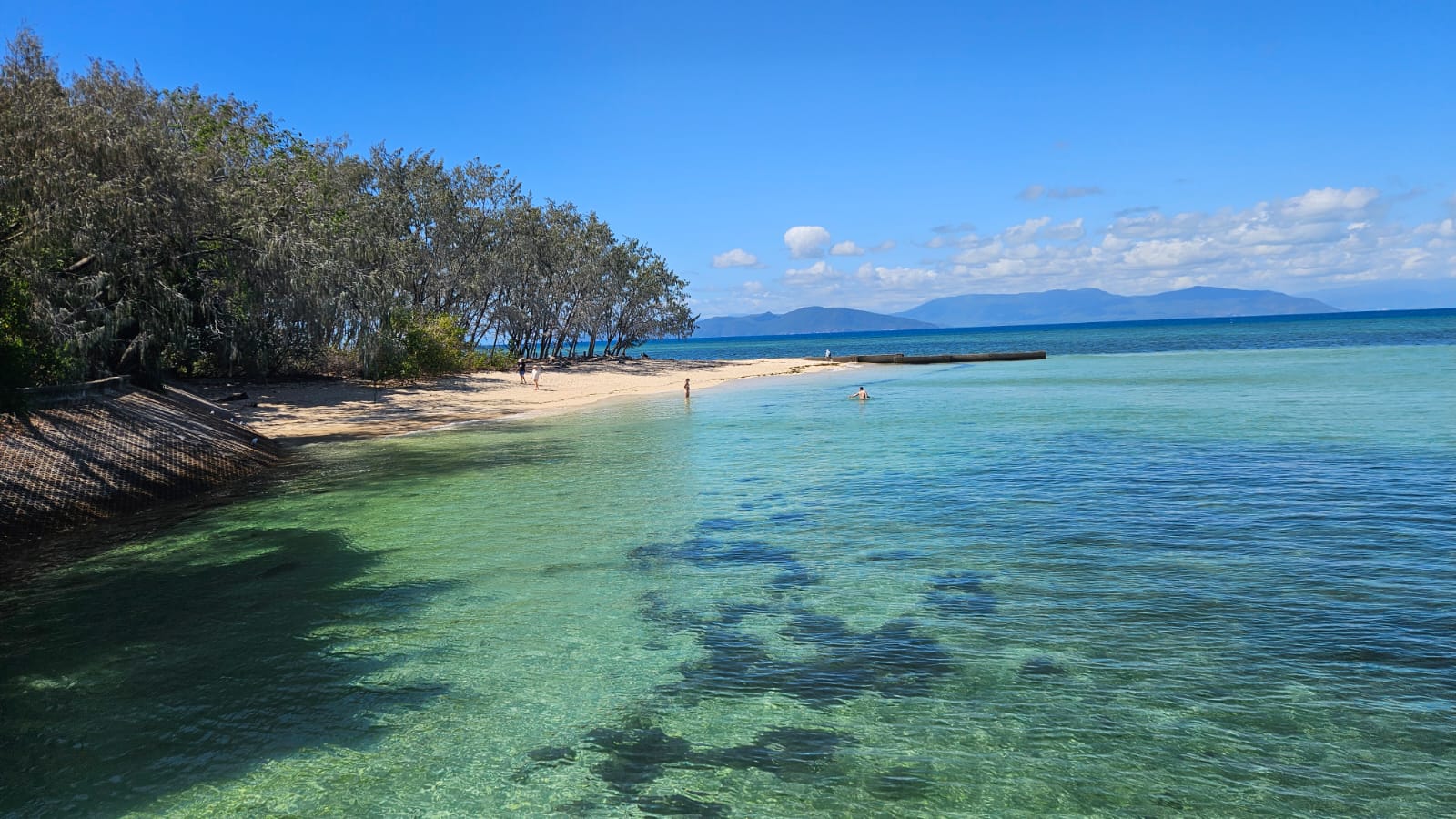
Location: Cairns, Queensland, Australia
Program type: Online diploma + optional GBR fieldwork
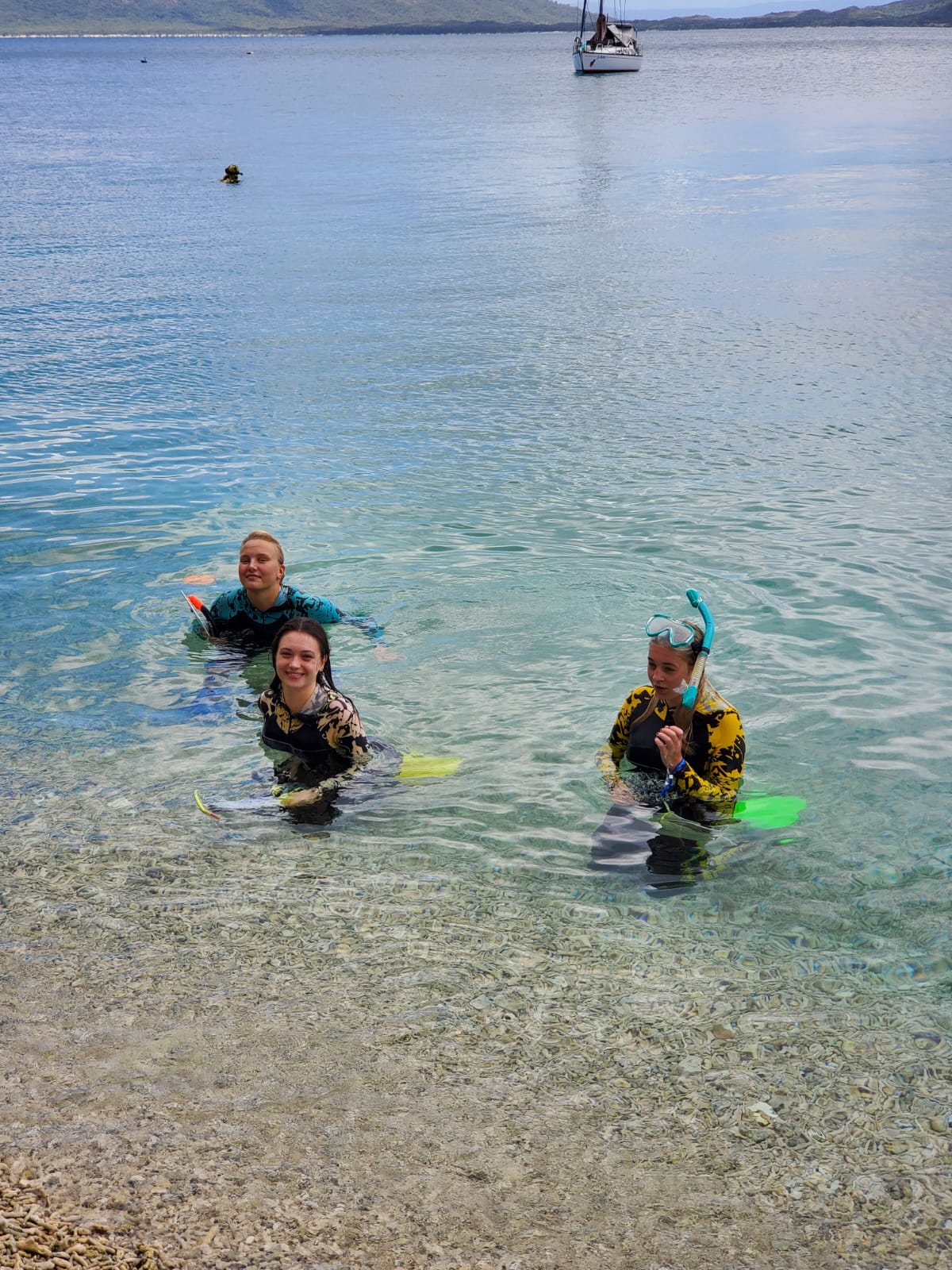
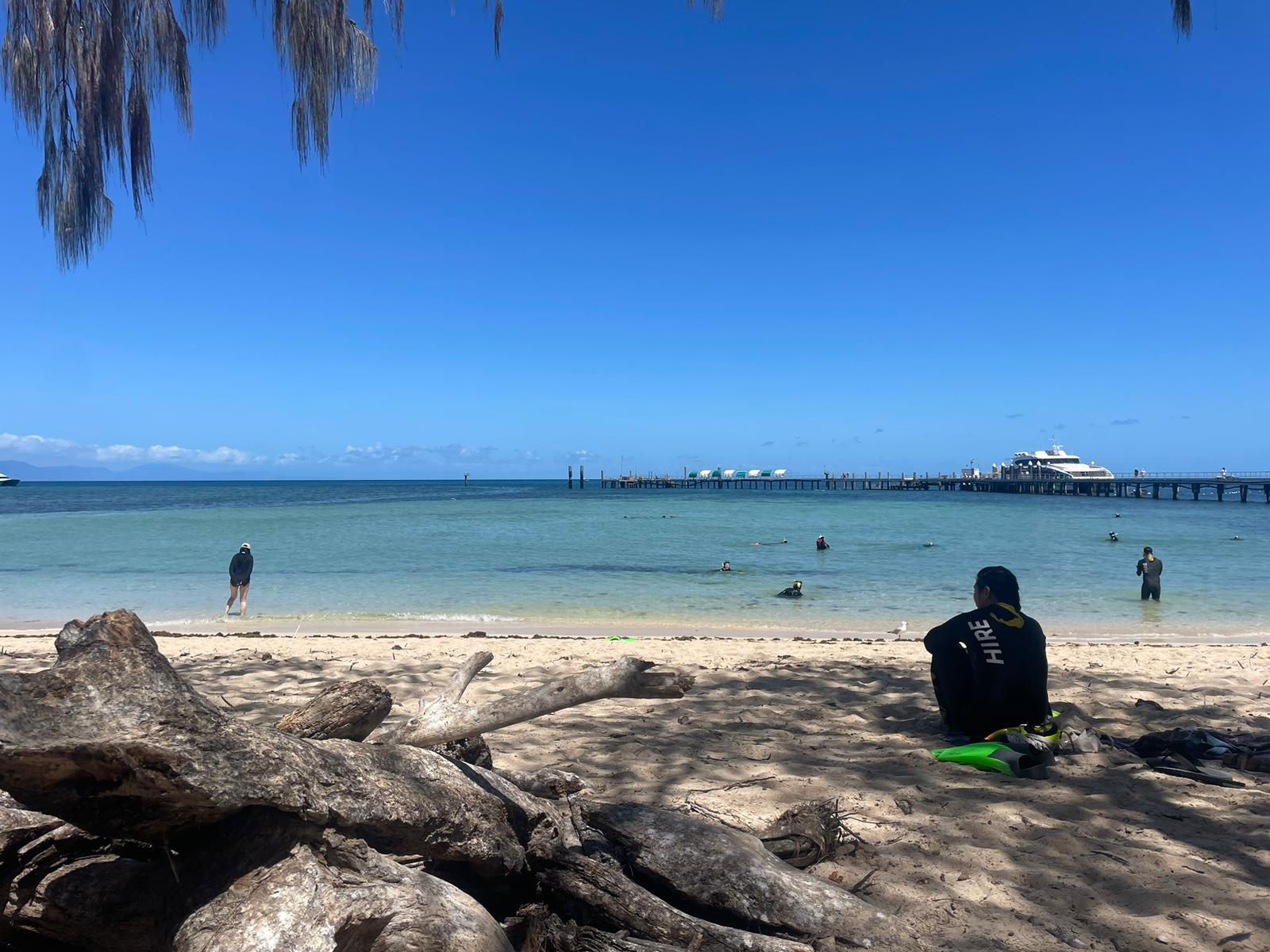
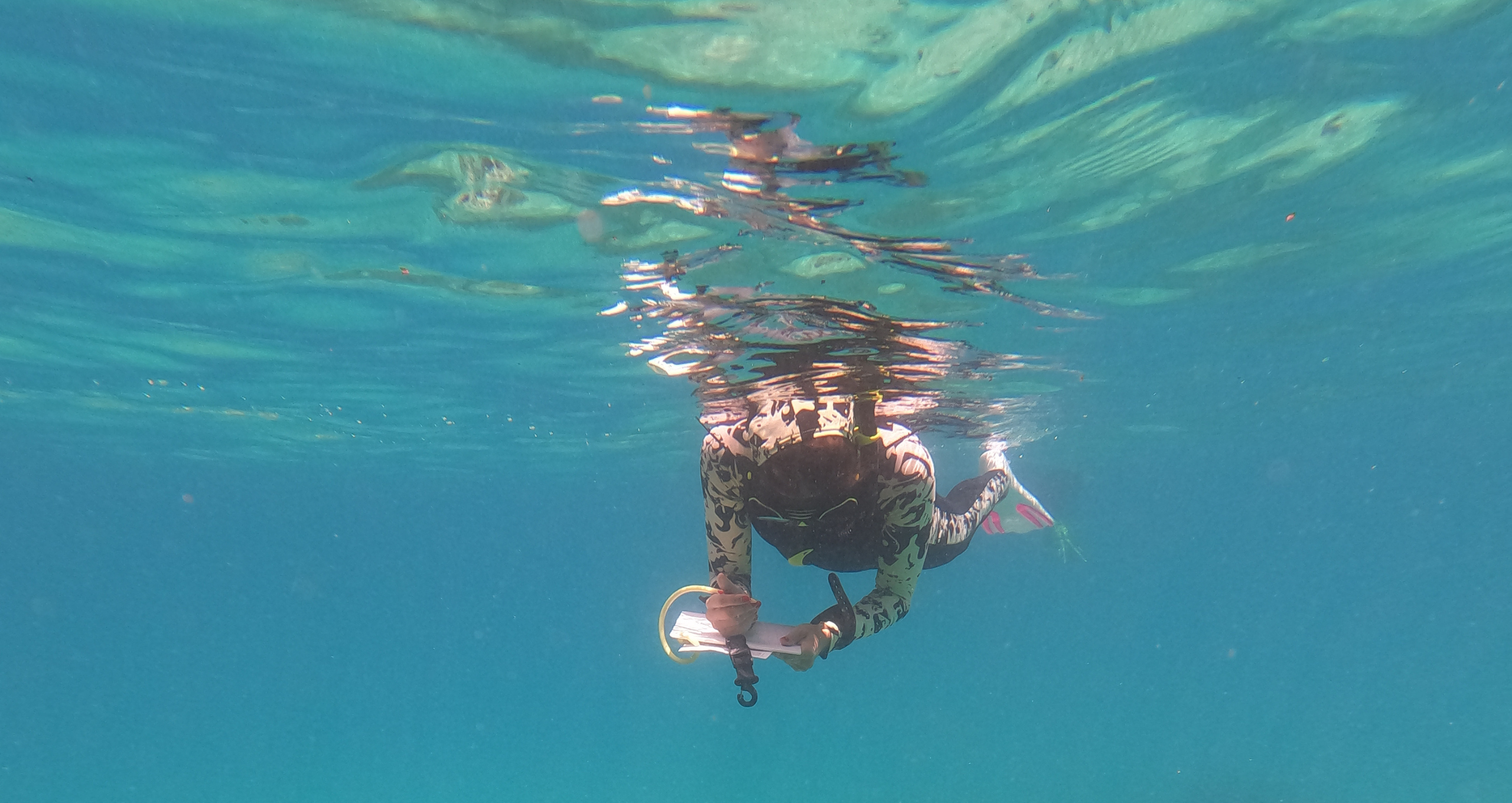
Fieldwork style: Snorkelling-based marine conservation
Duration: Diploma only, 1-week fieldwork, or 2-week fieldwork

You begin with online study, completing the required modules before your field placement. These modules prepare you for the conservation context, ethical volunteering responsibilities and marine fieldwork you’ll experience in Cairns.

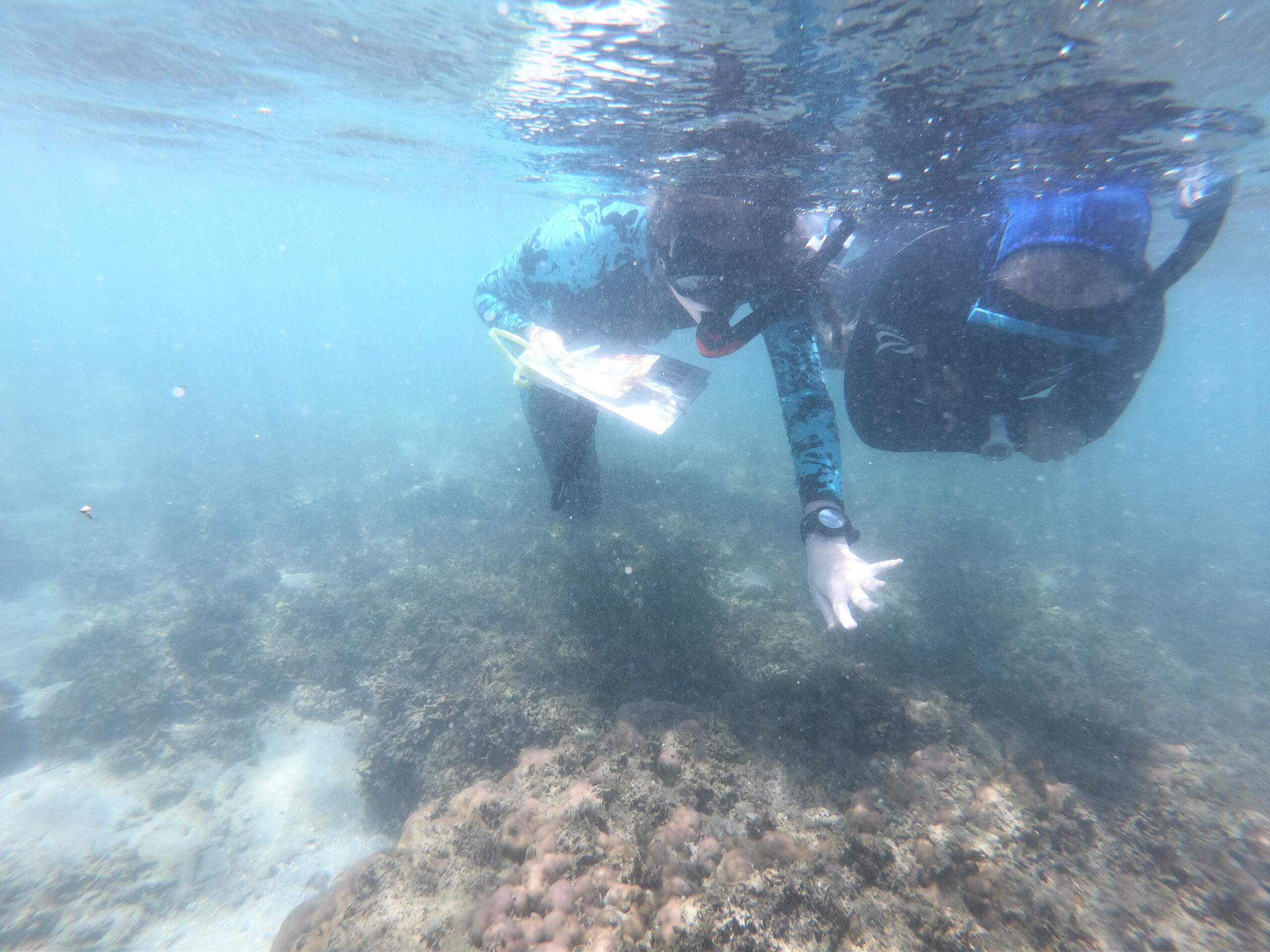
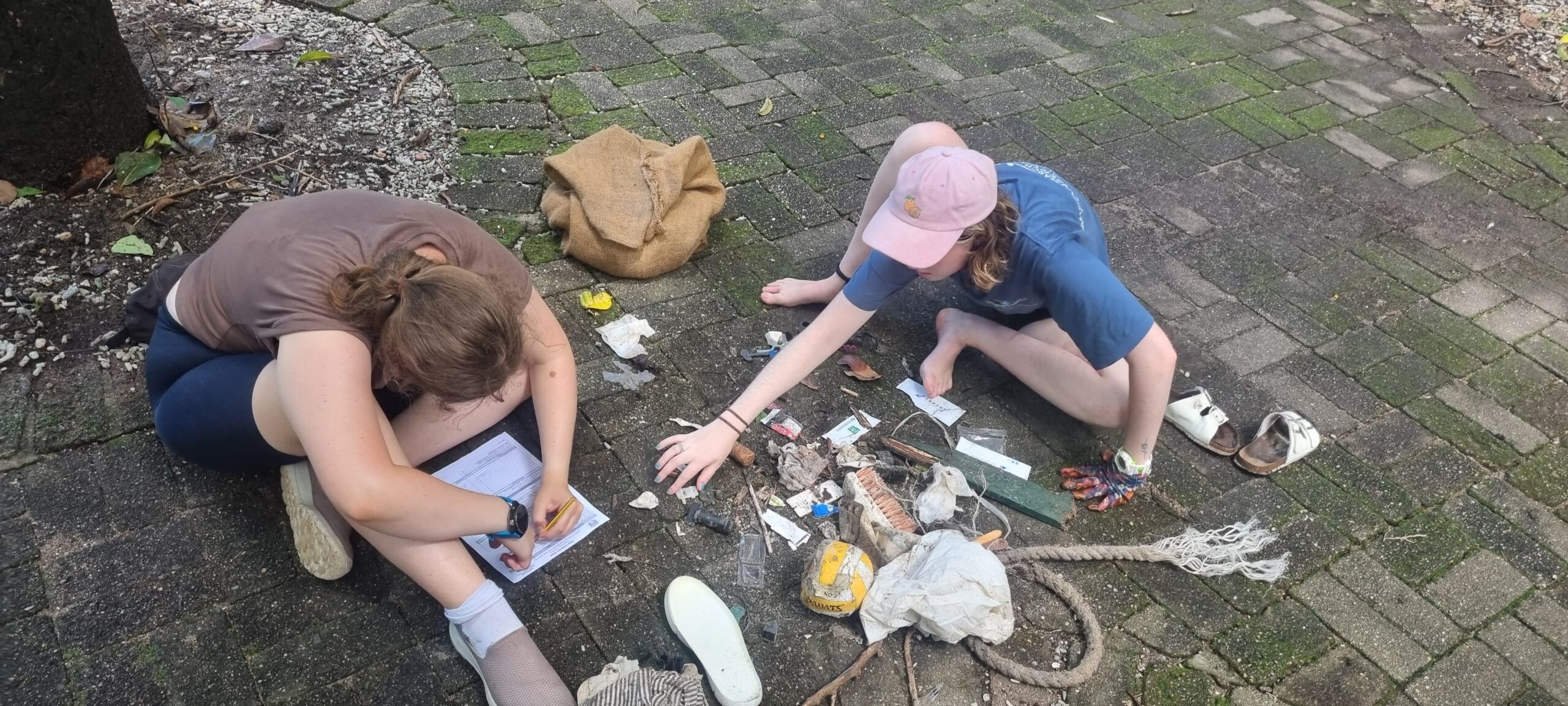
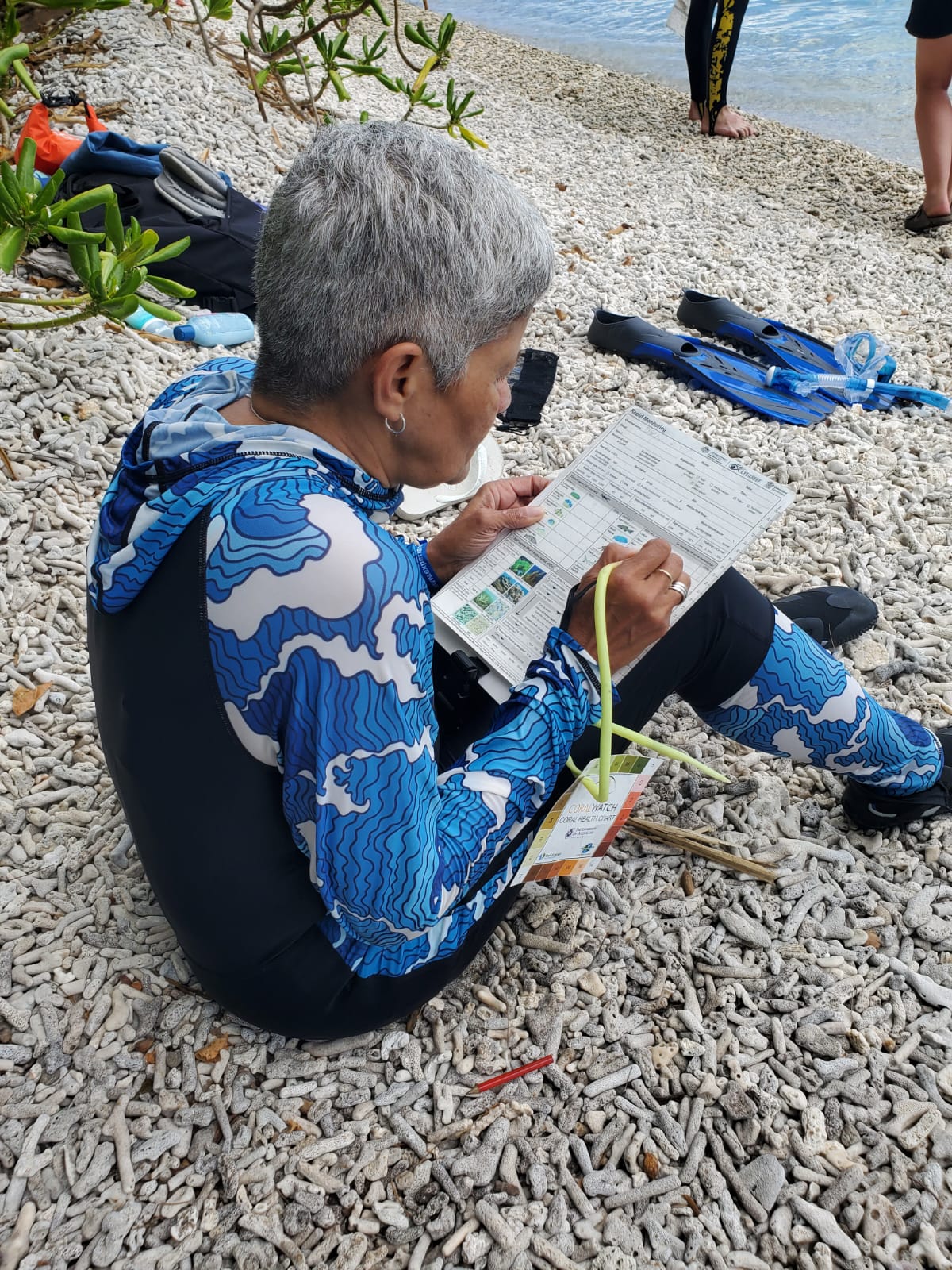
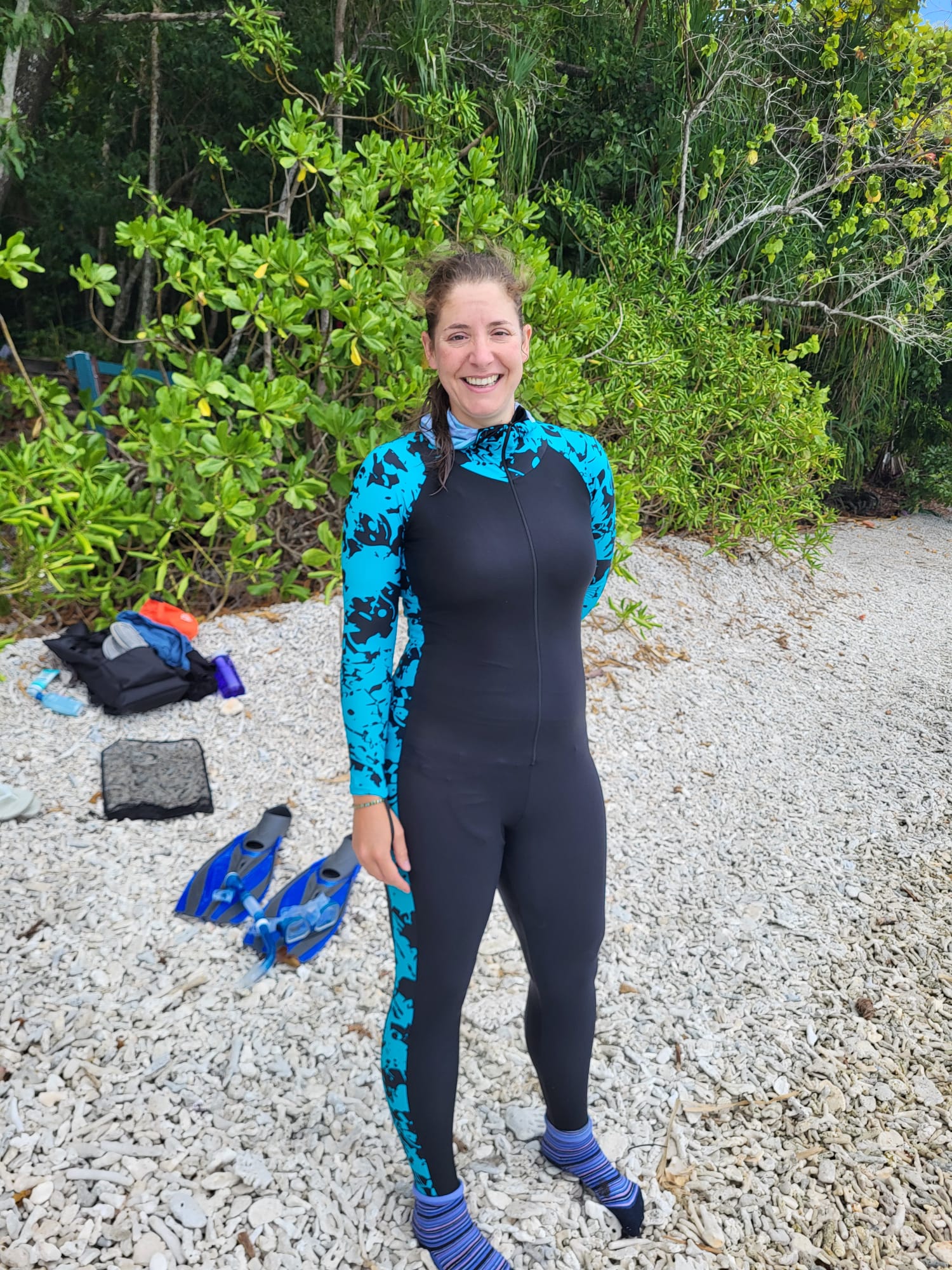
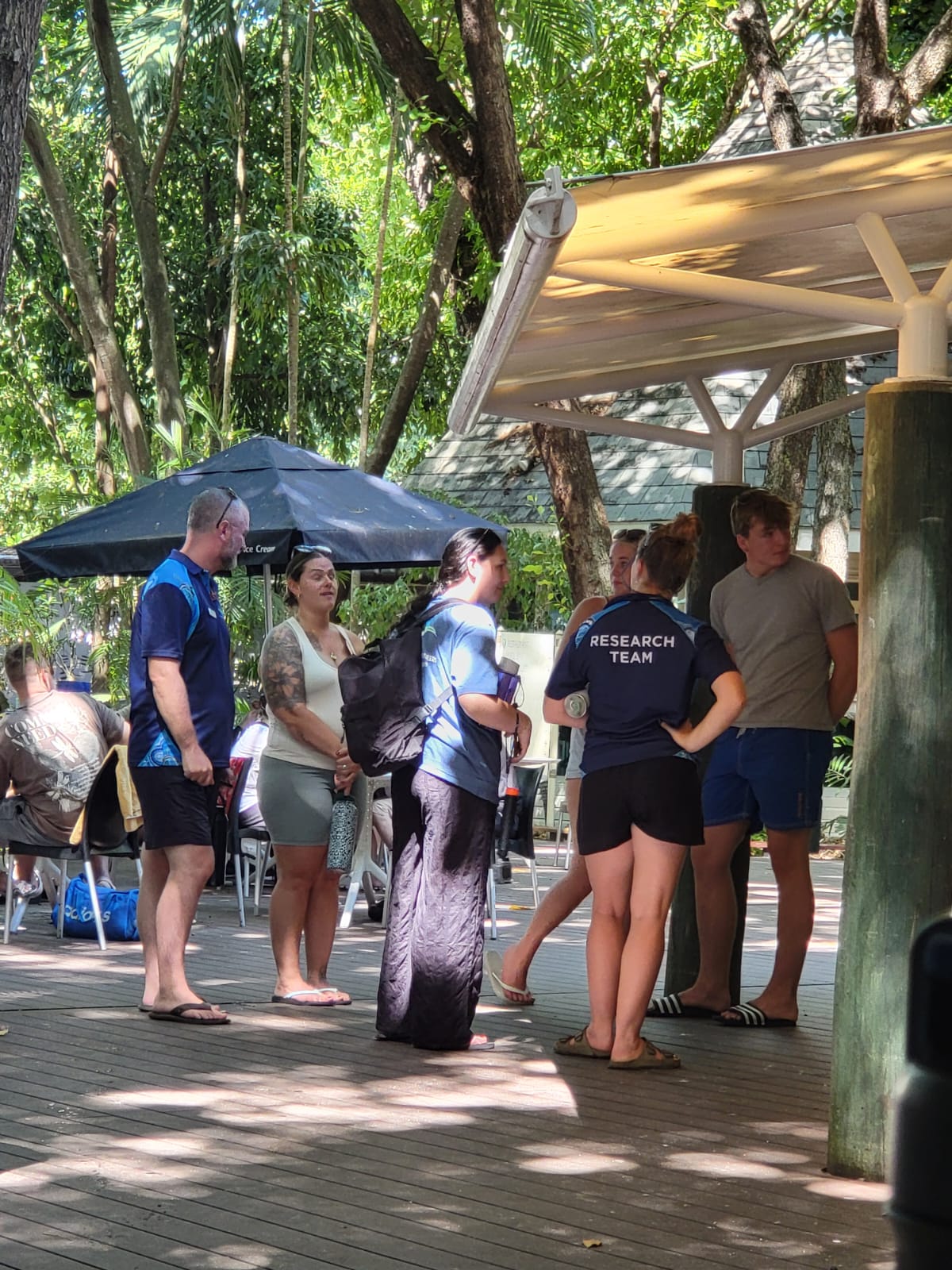
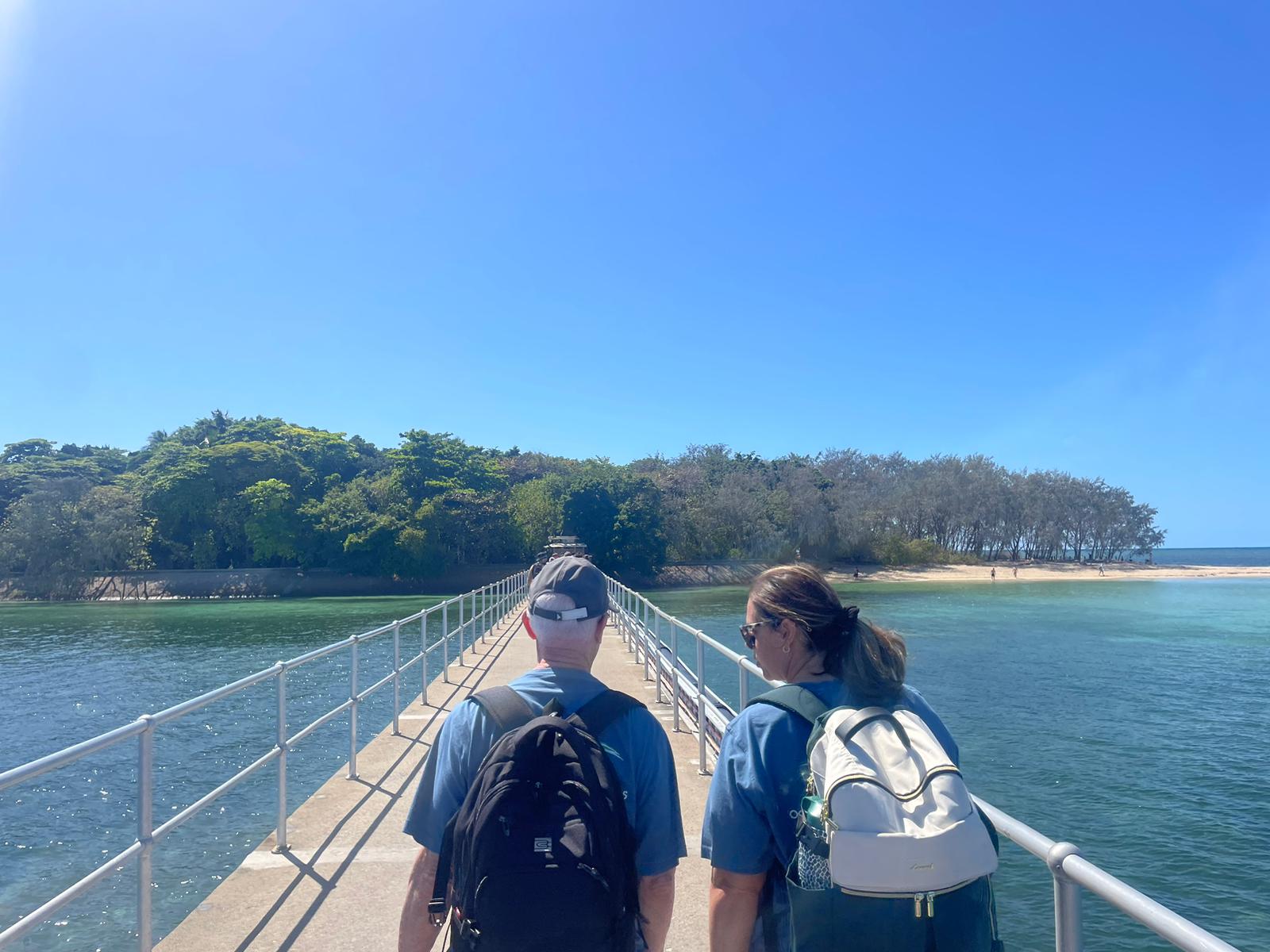
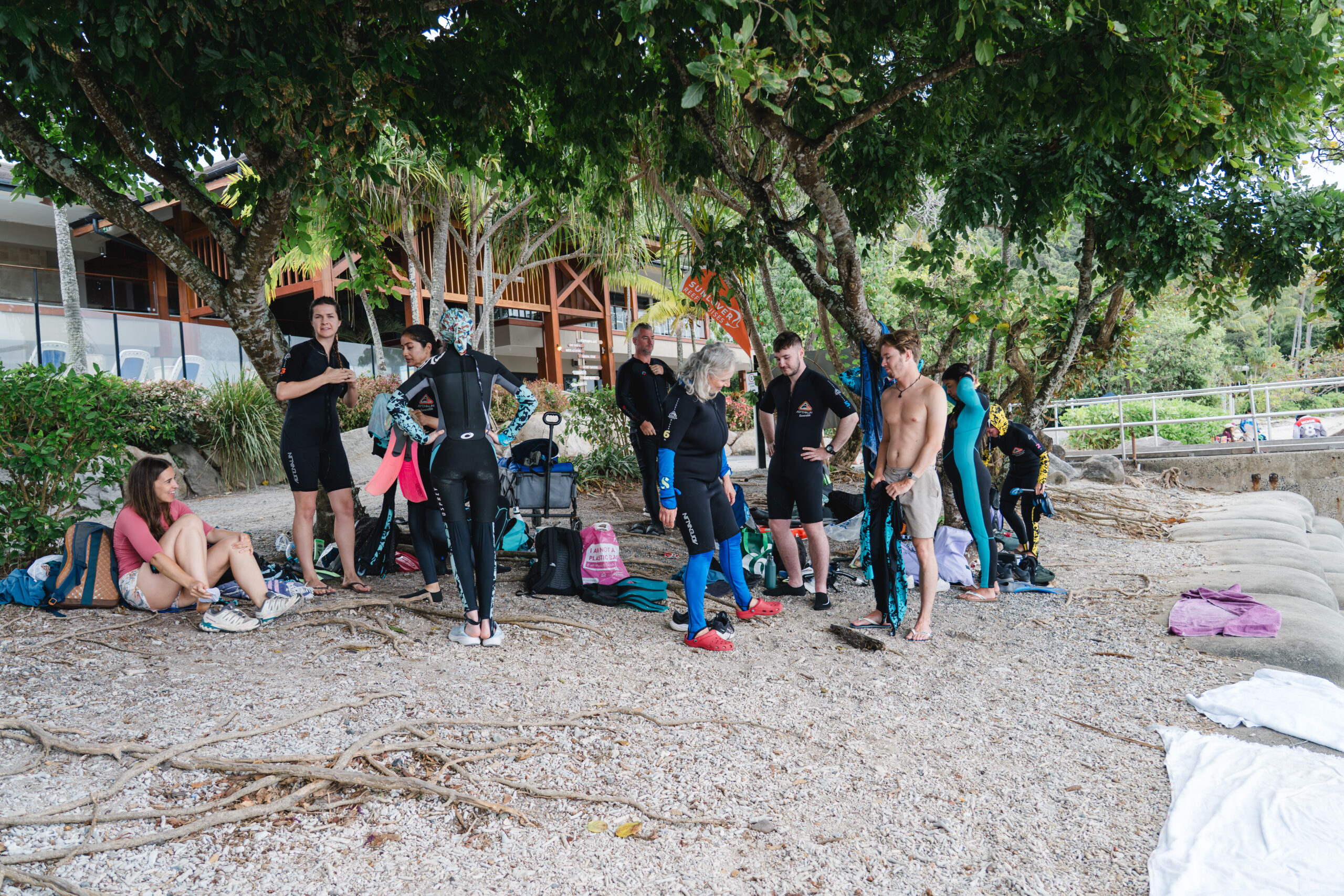
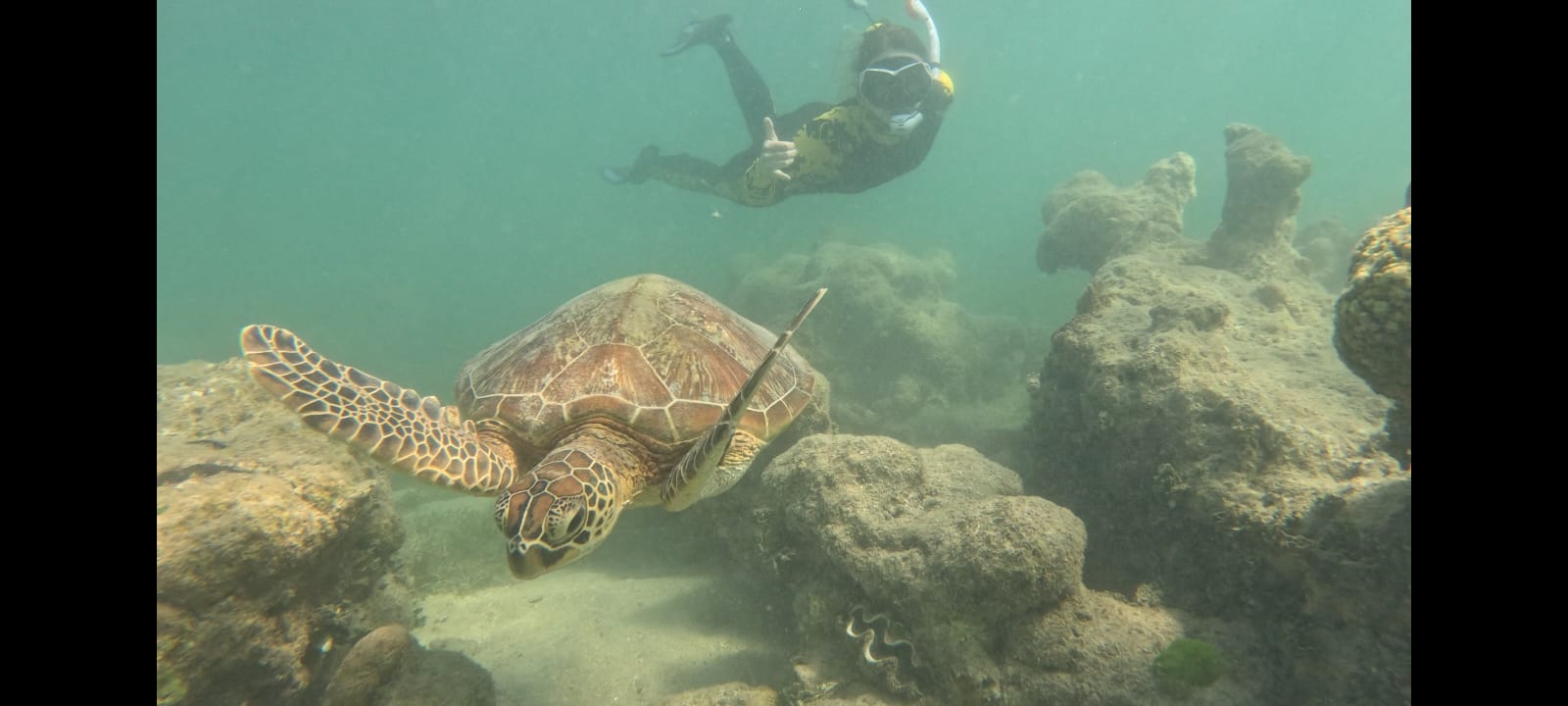
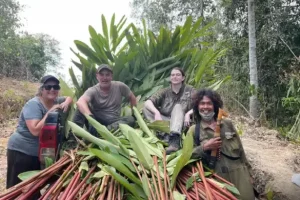
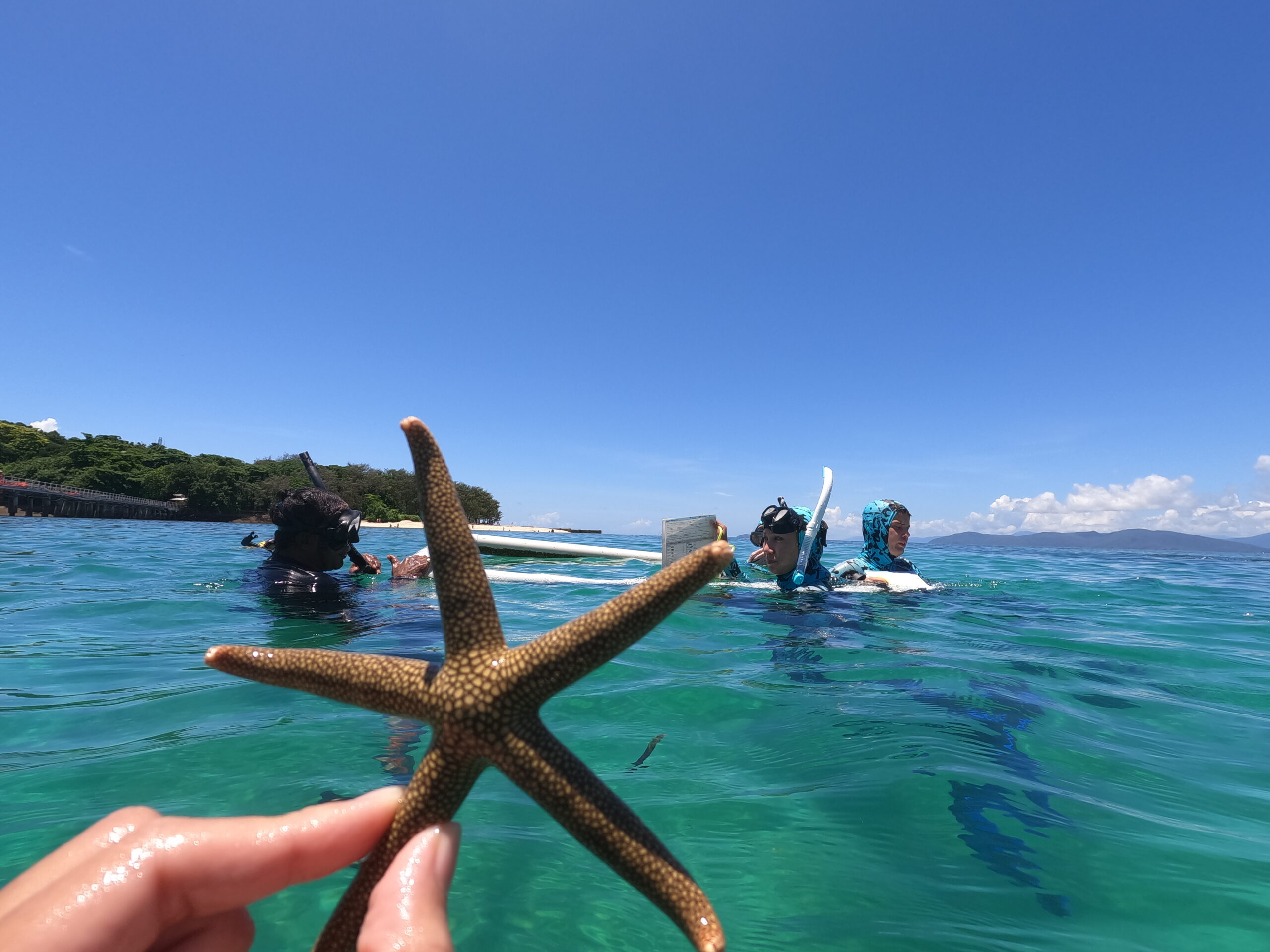
If you choose a fieldwork option, you’ll then travel to Cairns for your Great Barrier Reef placement. Fieldwork may include classroom training, in-water guidance, reef monitoring, coral and fish identification, marine debris activities and island-based conservation work.

To complete the full diploma, participants must complete an approved fieldwork component within 12 months of starting the course.
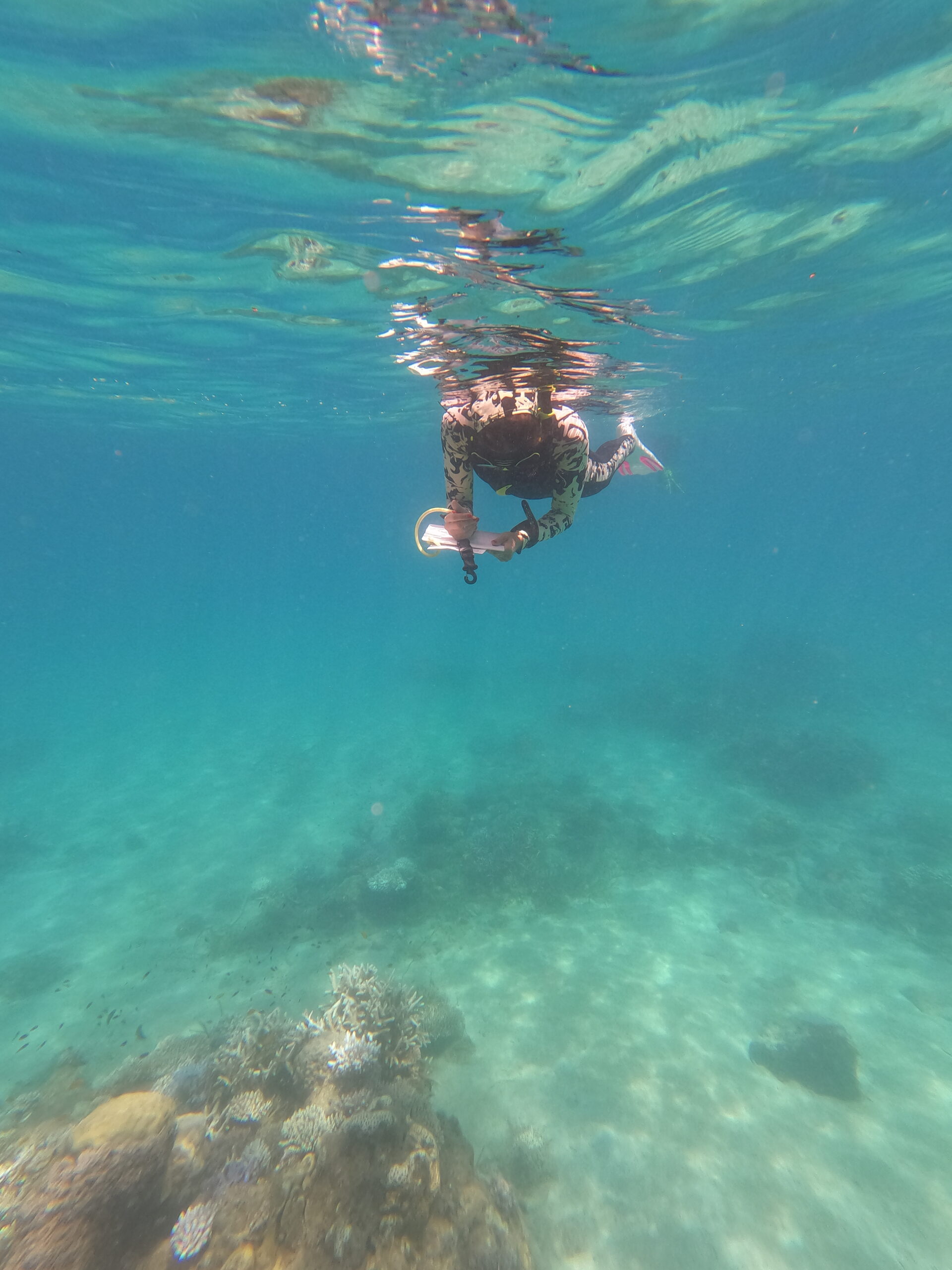
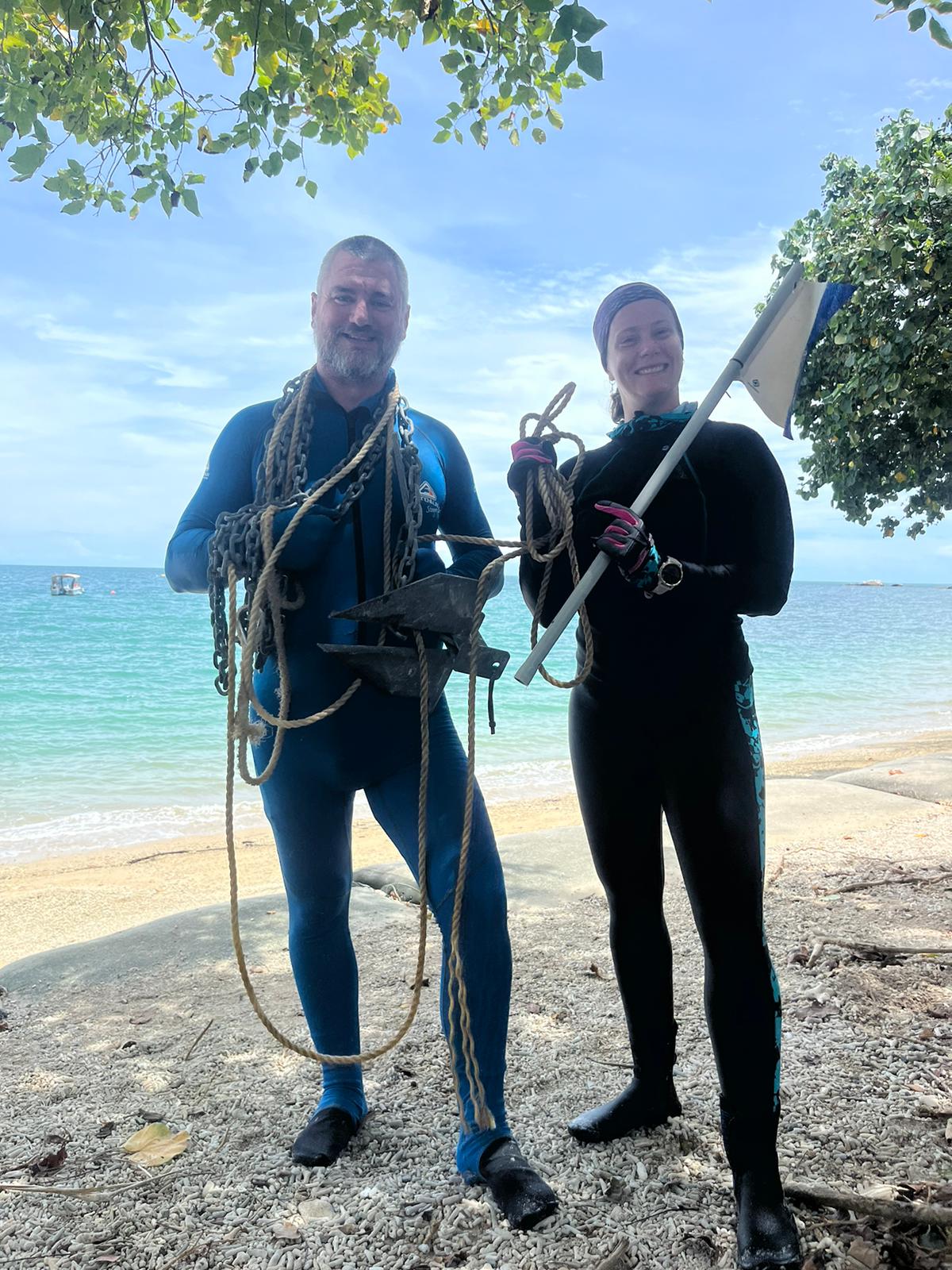
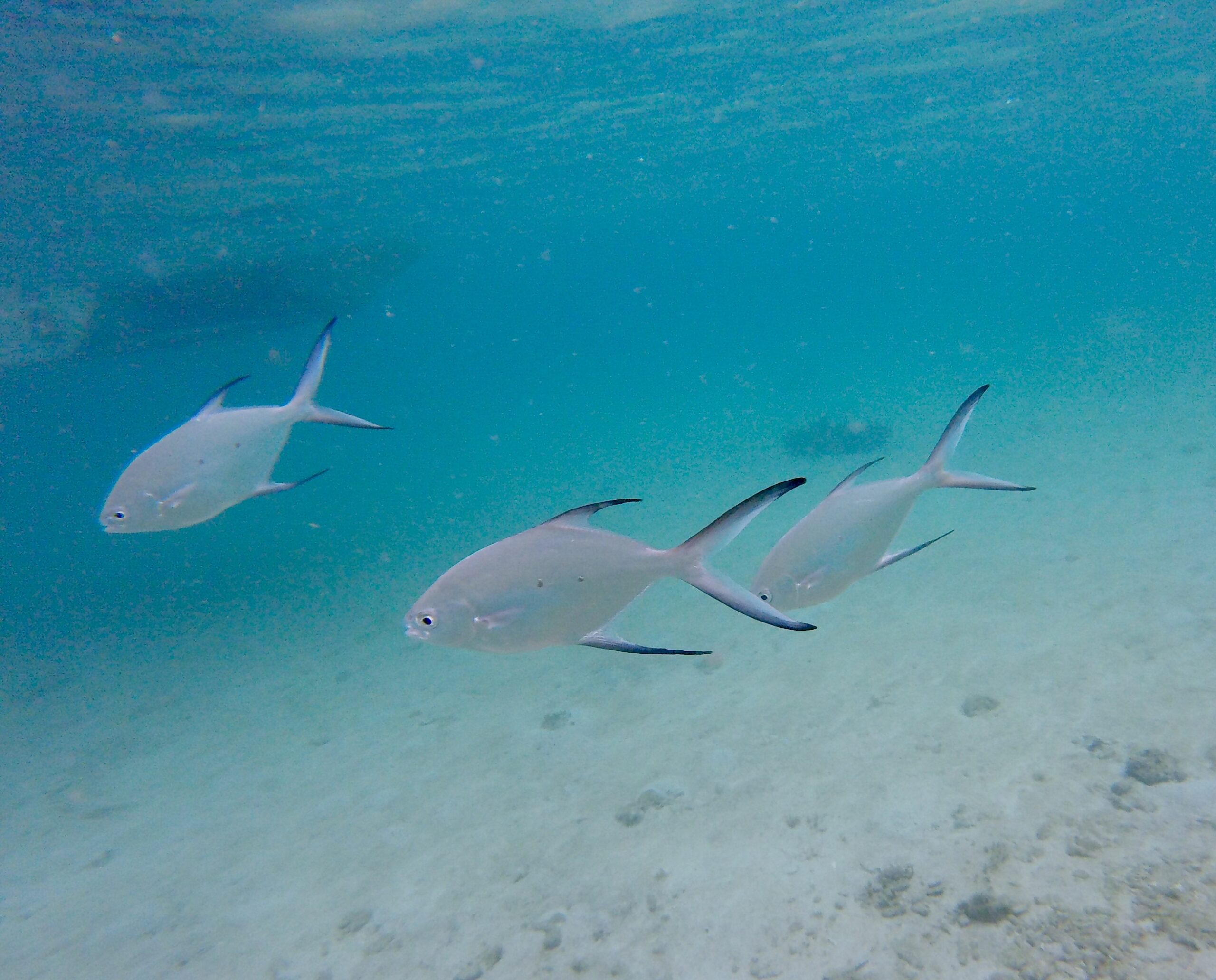
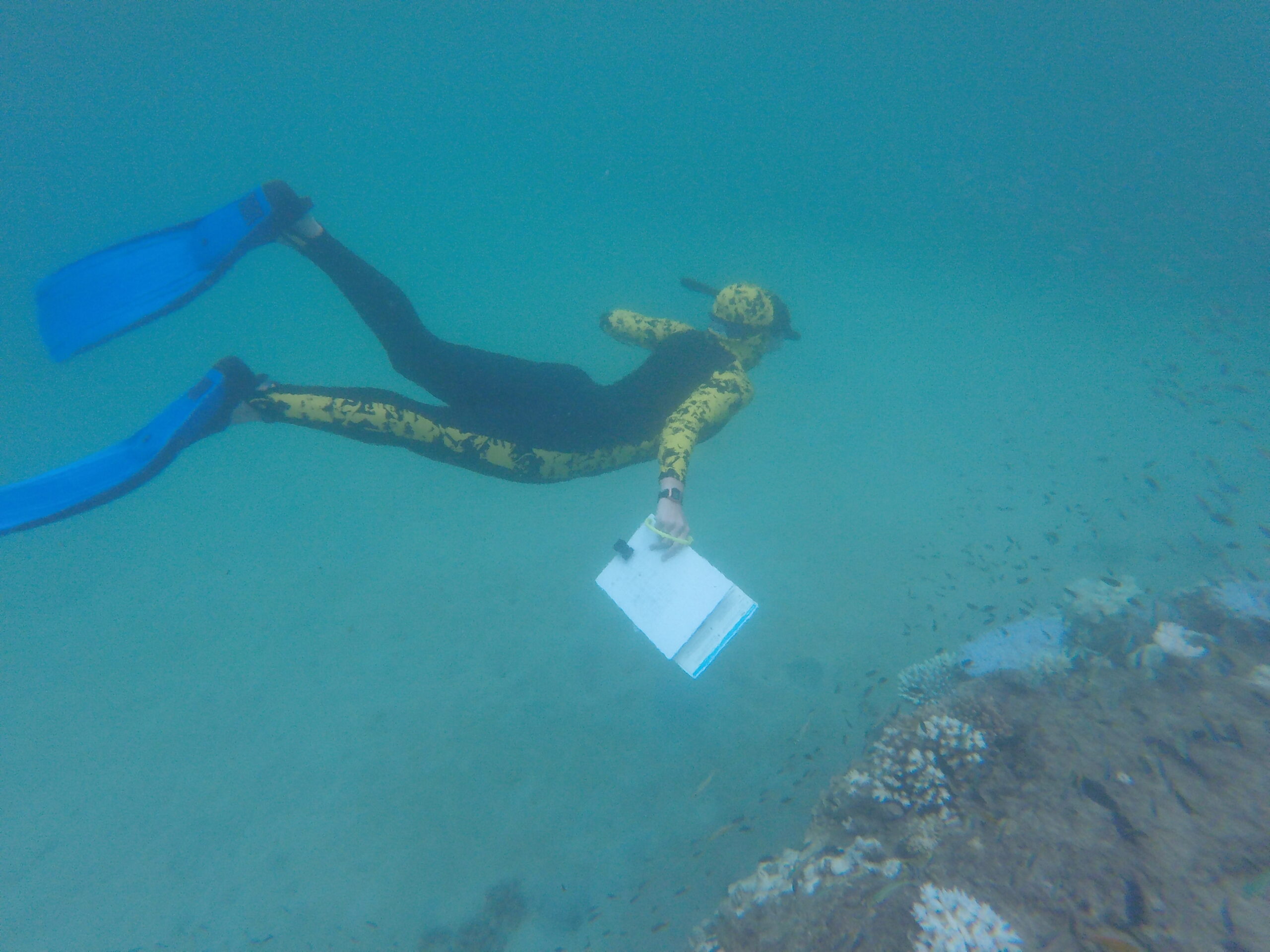
This program helps you move from interest to informed action. Through the online diploma, you’ll build a deeper understanding of marine conservation, ethical volunteering, reef ecology, climate impacts and sustainable conservation practice. During the fieldwork component, you’ll apply that learning through snorkelling-based reef monitoring, marine debris activities, coral and fish identification, and citizen science data collection on the Great Barrier Reef.

Your contribution supports O2E’s reef education and conservation work while giving you practical experience in the field. Whether you are studying, changing career direction or exploring a new conservation pathway, this program is designed to help you understand the reef more deeply and participate with care, skill and purpose.

  • Study coral reef systems, marine biodiversity, and ocean ecosystem dynamics in depth.
  • Explore Marine Protected Areas (MPAs), policy frameworks, and international conservation strategies.
  • Examine the human impact on oceans — plastic pollution, overfishing, climate change, and coastal development.
  • Connect theory to practice through hands-on volunteering with a marine conservation project.
  • Build a portfolio of reflective, evidence-based academic work assessed to Level 3 standards.
  • Earn 16 UCAS tariff points — the equivalent of bumping an A-Level up a full grade.
  • Develop scientific literacy and critical thinking applicable to marine biology and environmental science degrees.
  • Learn from real case studies including the Great Barrier Reef, Coral Triangle, and Mediterranean marine reserves.

Following your initial travel and settling in period on Sunday, the next Monday will be utilised for a complete orientation to the program and the amazing locations.

Each day beyond that stage will be entirely unique and dependent on the week of your placement, but will consist of:

• 6.30am – breakfast

• 7am – hostel departure

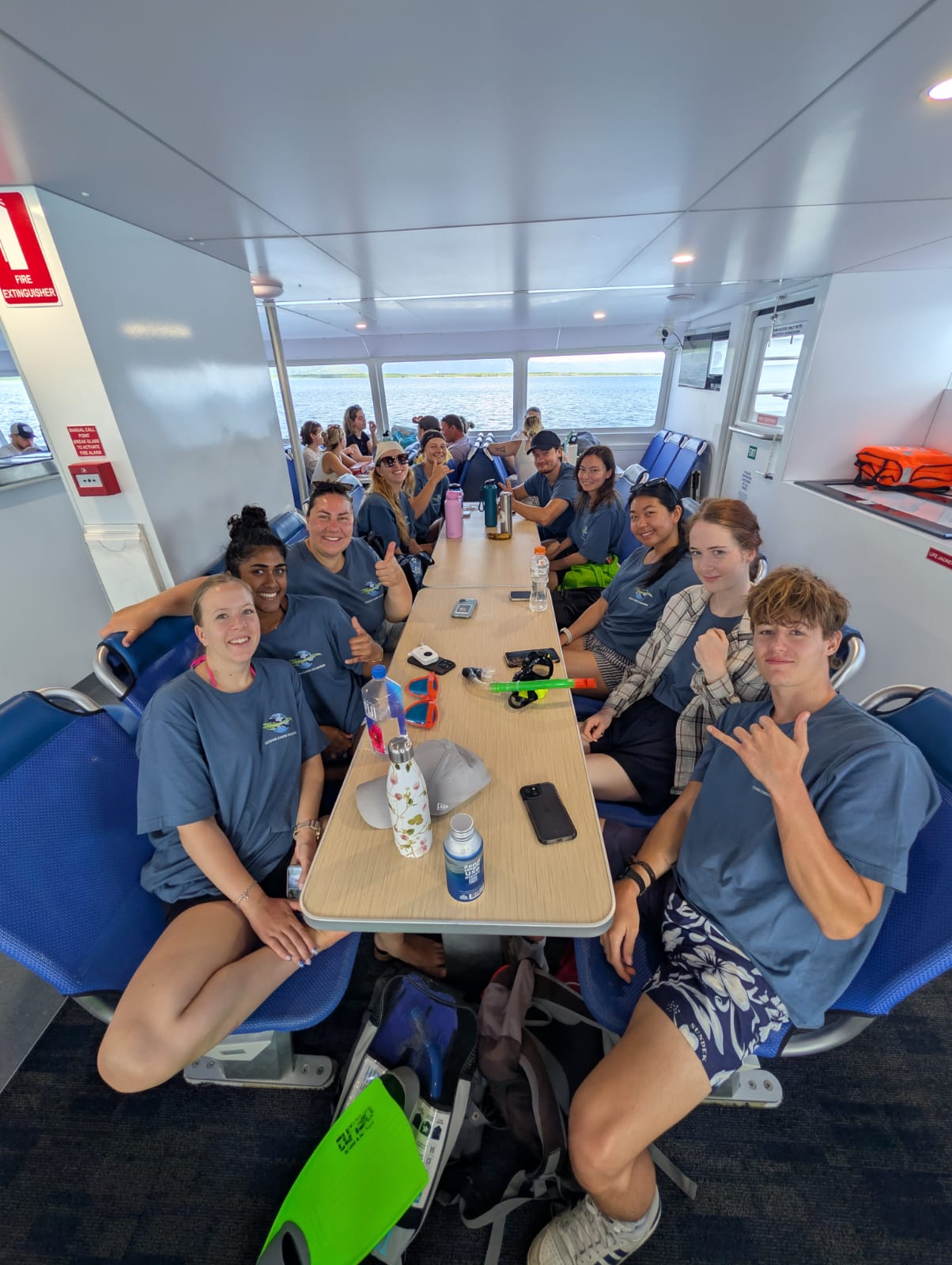
• 8am – take a boat out to the reef survey site

• 9am – work duties: featuring coral reef surveying, monitoring turtle movements, gathering of raw oceanographic data or clearing marine debris. Please note only volunteers on the 2 aor 3 week programs will have a chance to try recreational SCUBA diving.

• 12pm – Lunch break and island exploration.

• 1pm – 5pm – work duties or conservation exploration such as rock hopping or hiking

• 1pm or 5pm – Cairns arrival and free time (end of day depends on the work being completed).

The program will consist of various 2-3 hour work-related activities, with the remainder of the time open for volunteers to explore the beauty of Cairns.

Minimum 17 years of age at the time of travel. 

Note: 17 year olds are welcome but must travel with an adult. There will be an accommodation upgrade required or you can book your own accommodation. Contact us by email for more details.

Volunteers must be able to swim and speak fluent English in order to participate in this program.

This is a study-and-fieldwork program, so you need to be prepared for both independent online learning and practical outdoor conservation work.

The main challenge for volunteers is to be confident in the water and to be able to swim a minimum of 50 metres. You also have to be able to adapt to a warm and humid climate, as well as understanding instructions from the team and applying them directly to the task at hand. Volunteers can require additional time to adjust outside their normal surroundings and comfort zone, but that is why the program consciously introduced the travel and orientation day for this adjustment period.

You can begin the online diploma component at a time that suits you.

Fieldwork dates are set by O2E and generally align with scheduled marine conservation field placements in Cairns. Students have up to one year to complete the diploma and should allow time to complete the required online modules before travelling for fieldwork.

Choose from:

  • Diploma only
  • Diploma + 1 week Great Barrier Reef fieldwork
  • Diploma + 2 weeks Great Barrier Reef fieldwork

Participants completing the diploma must complete the approved fieldwork component within 12 months of starting the course.
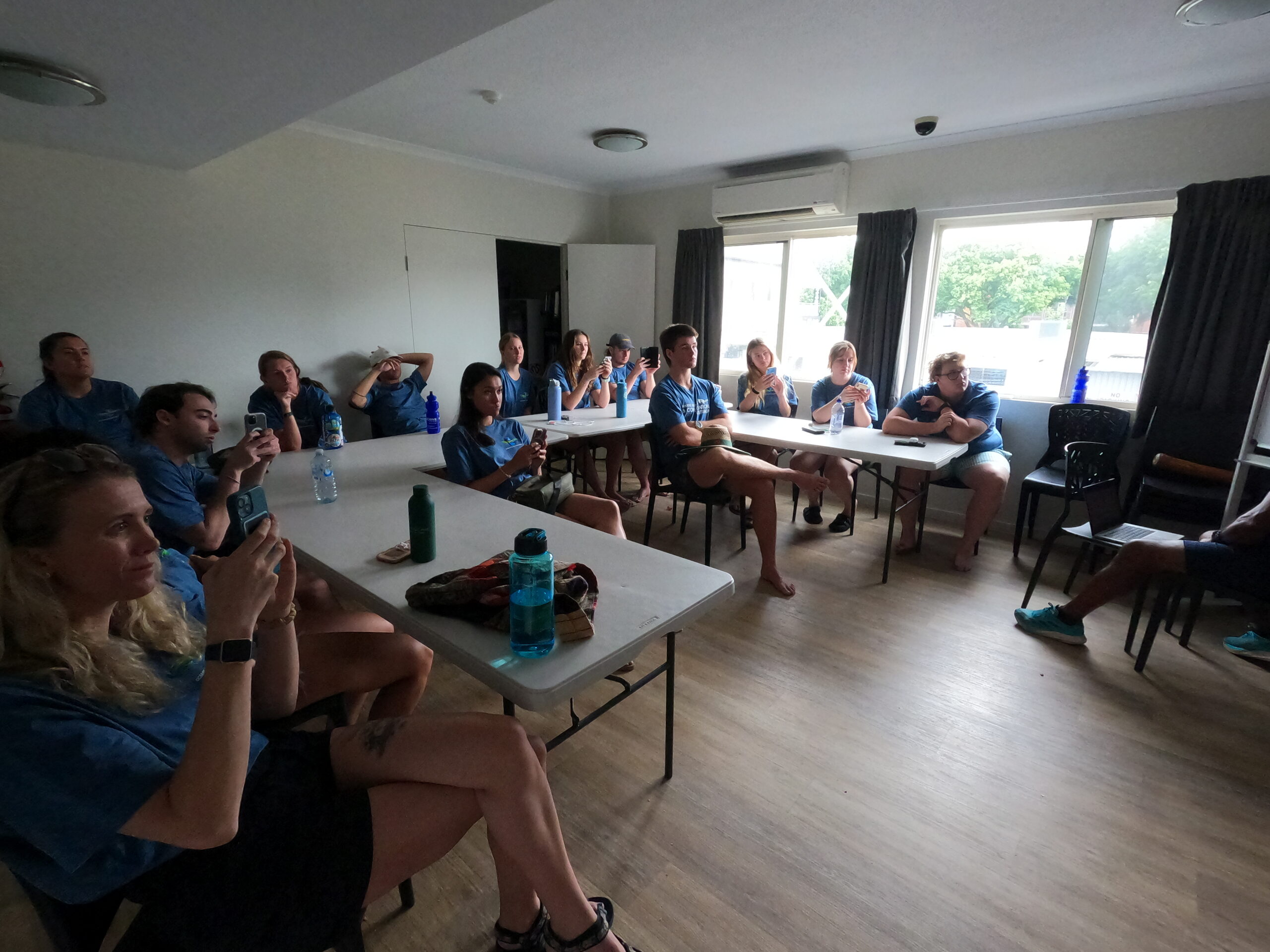
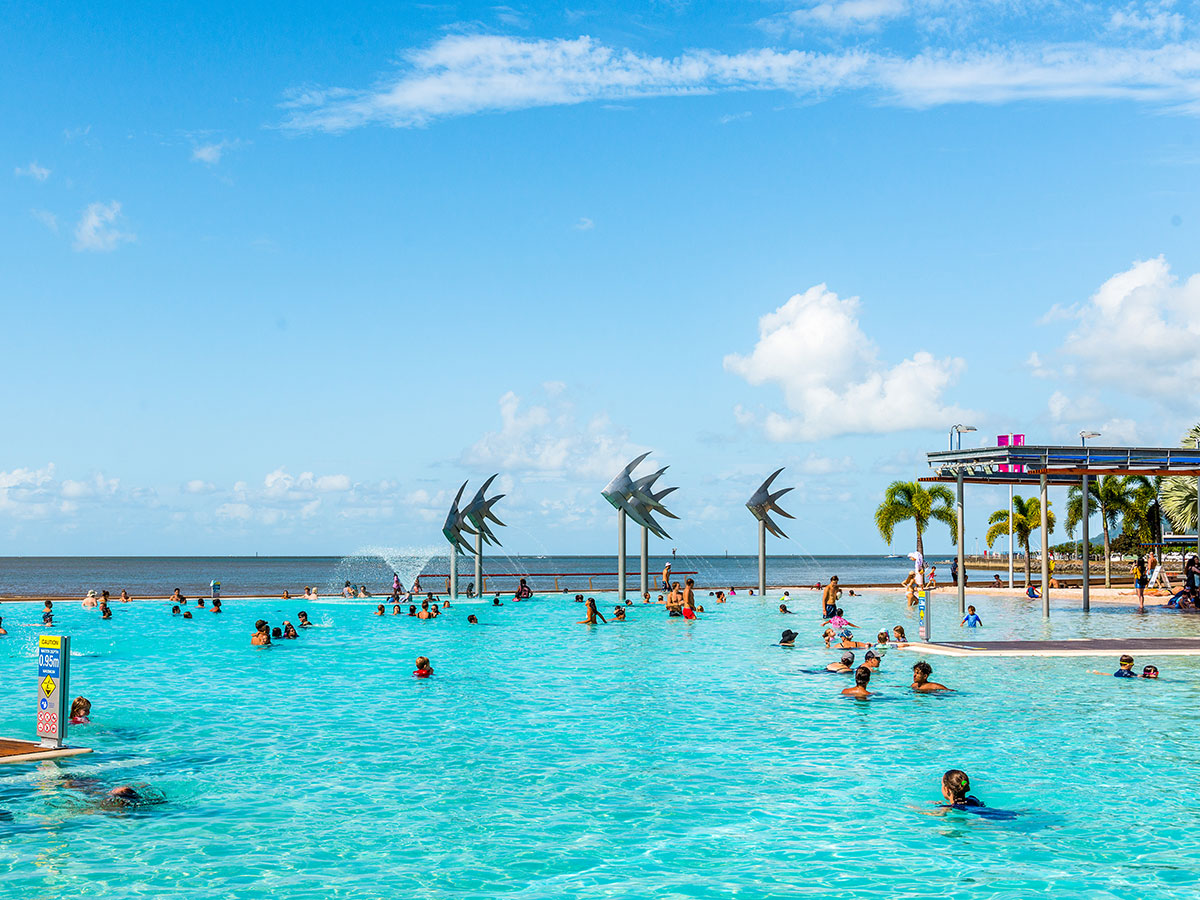
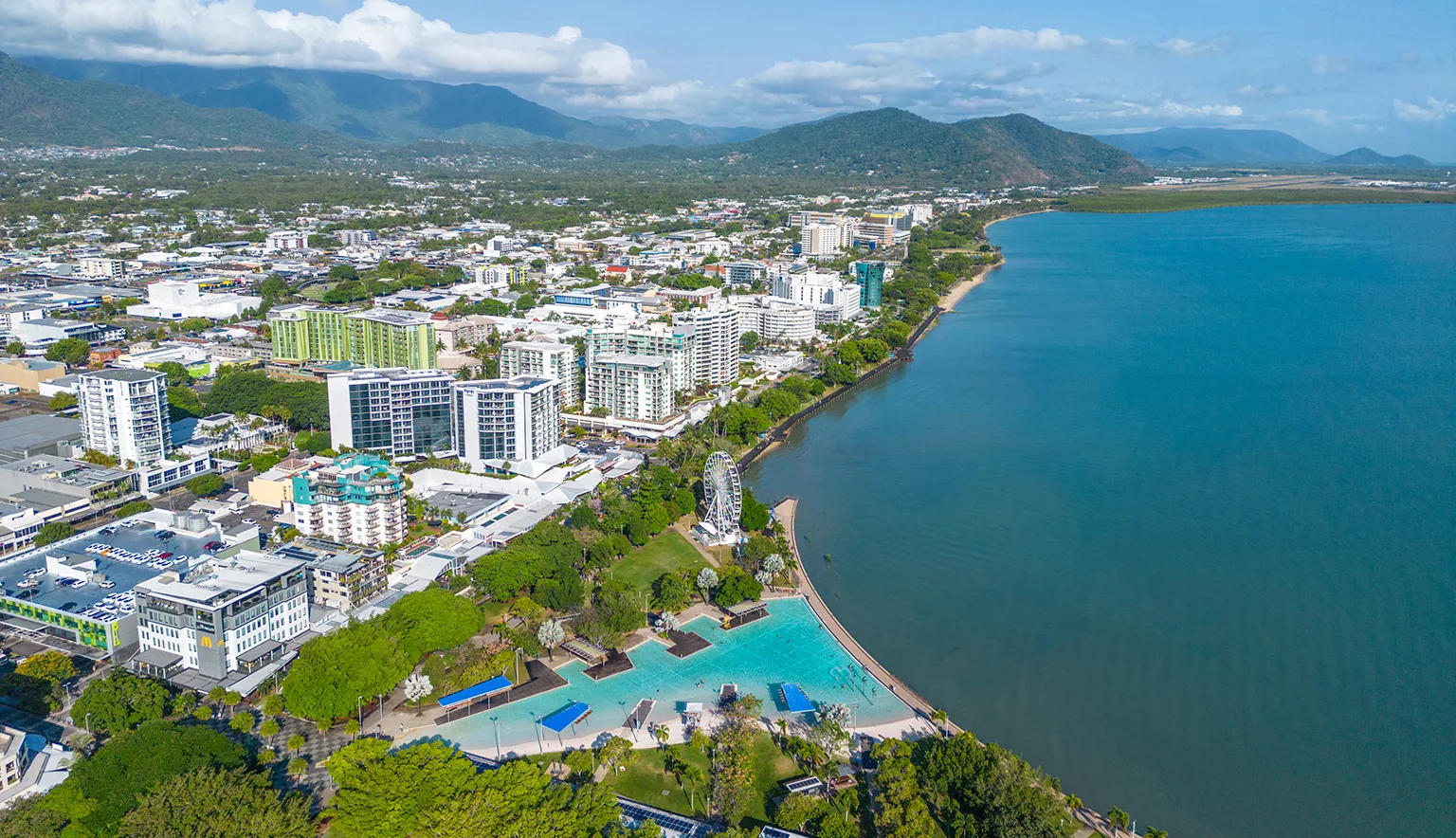
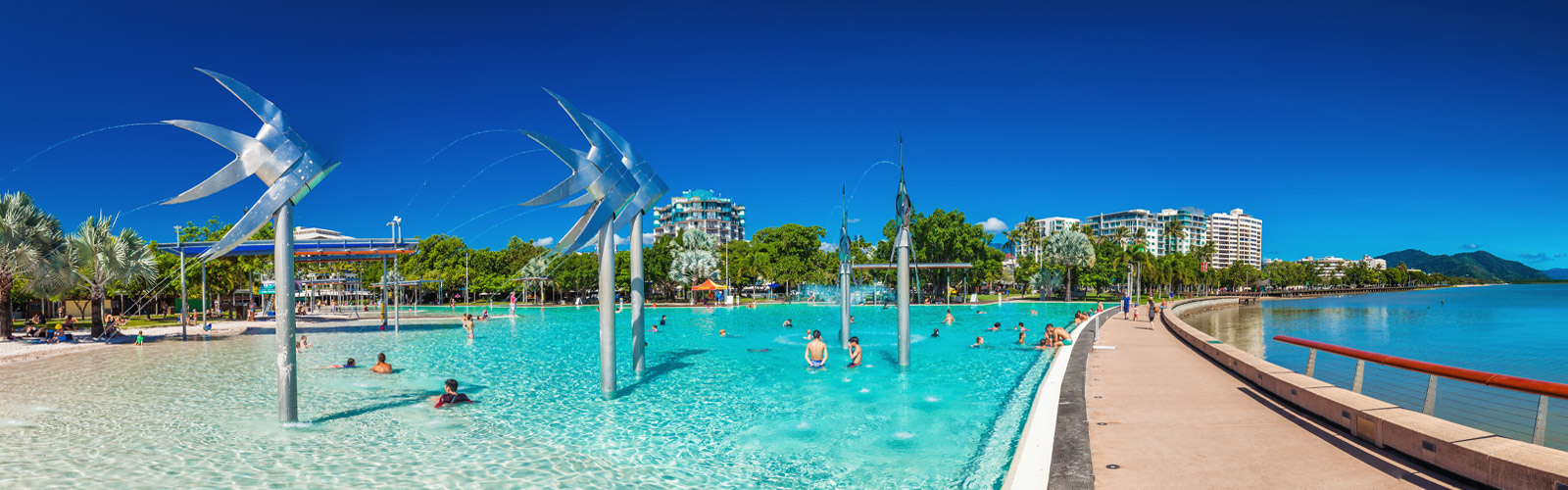
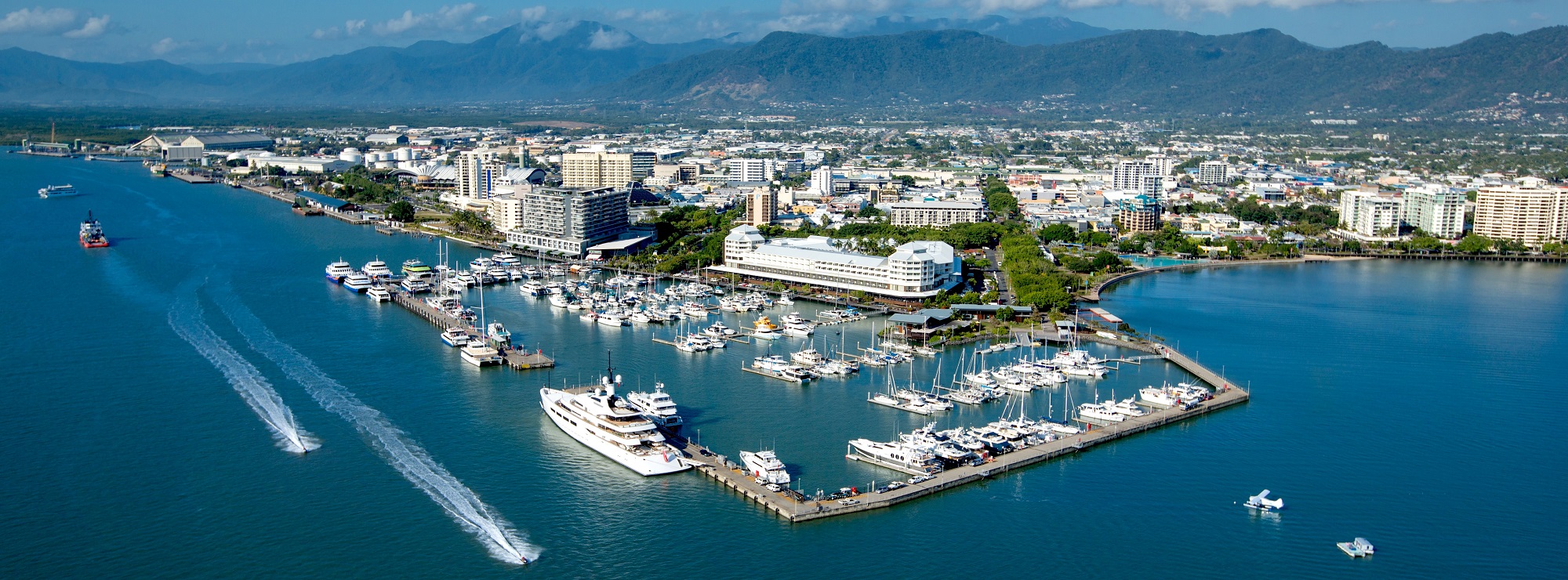
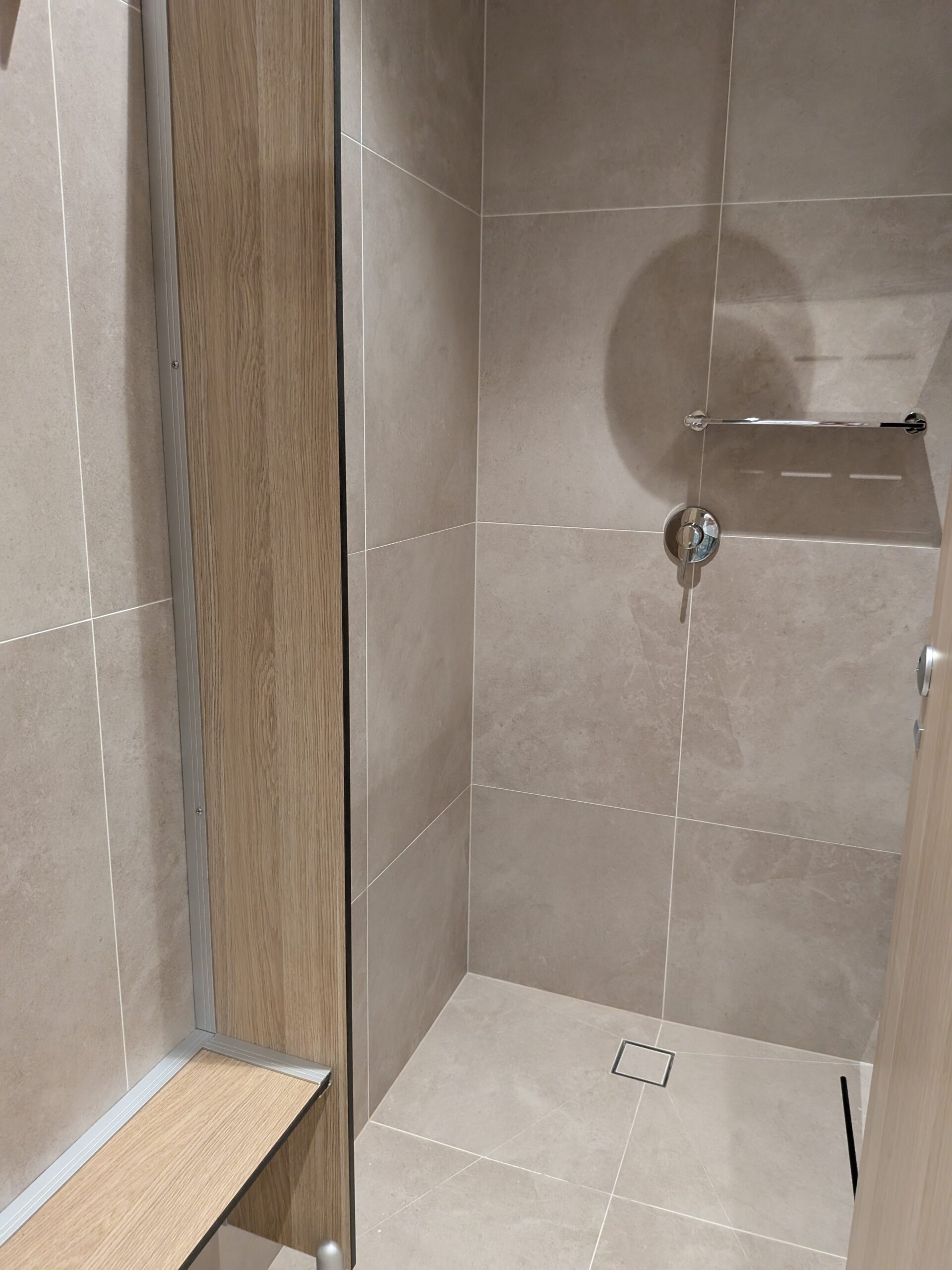
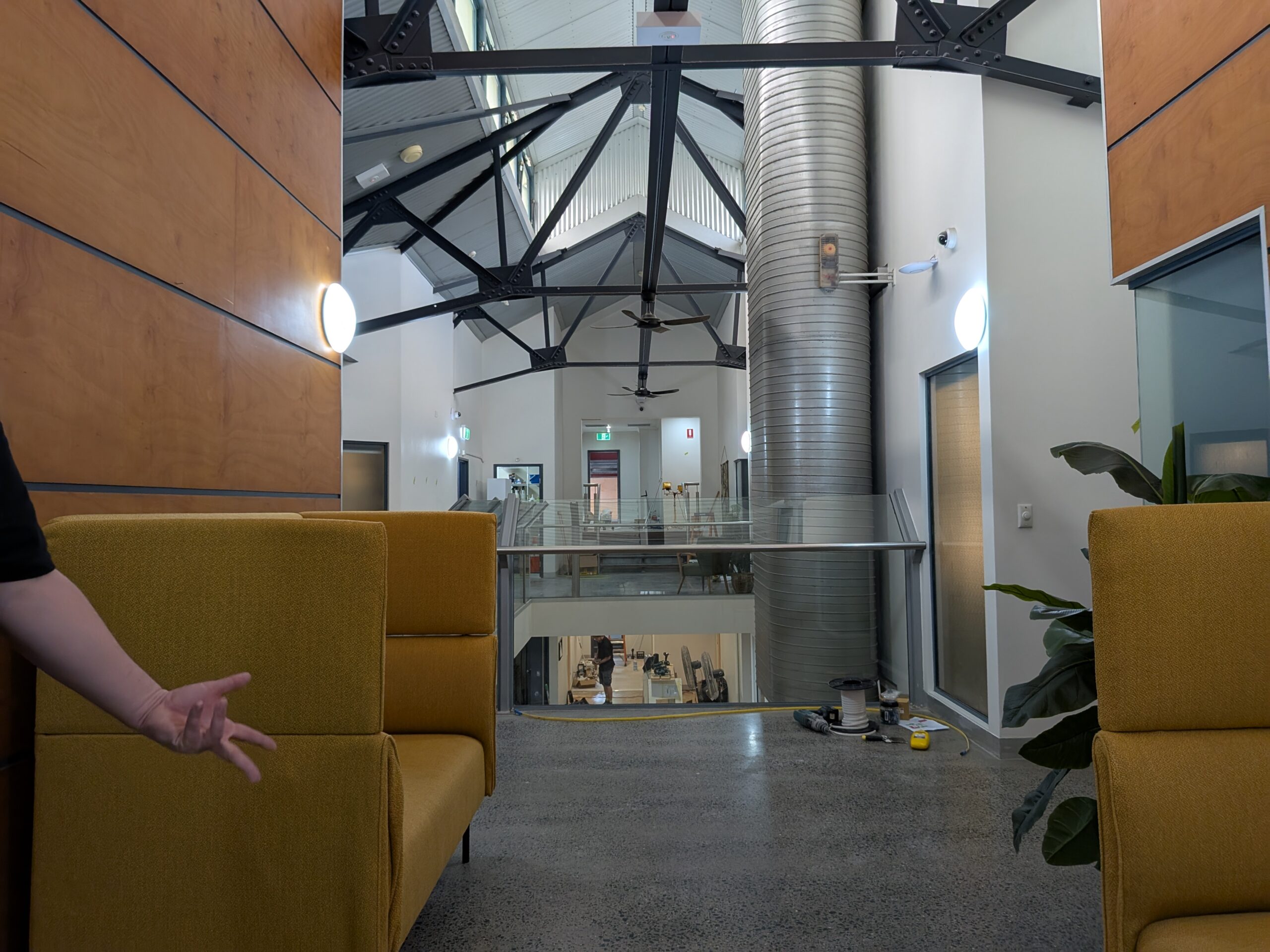
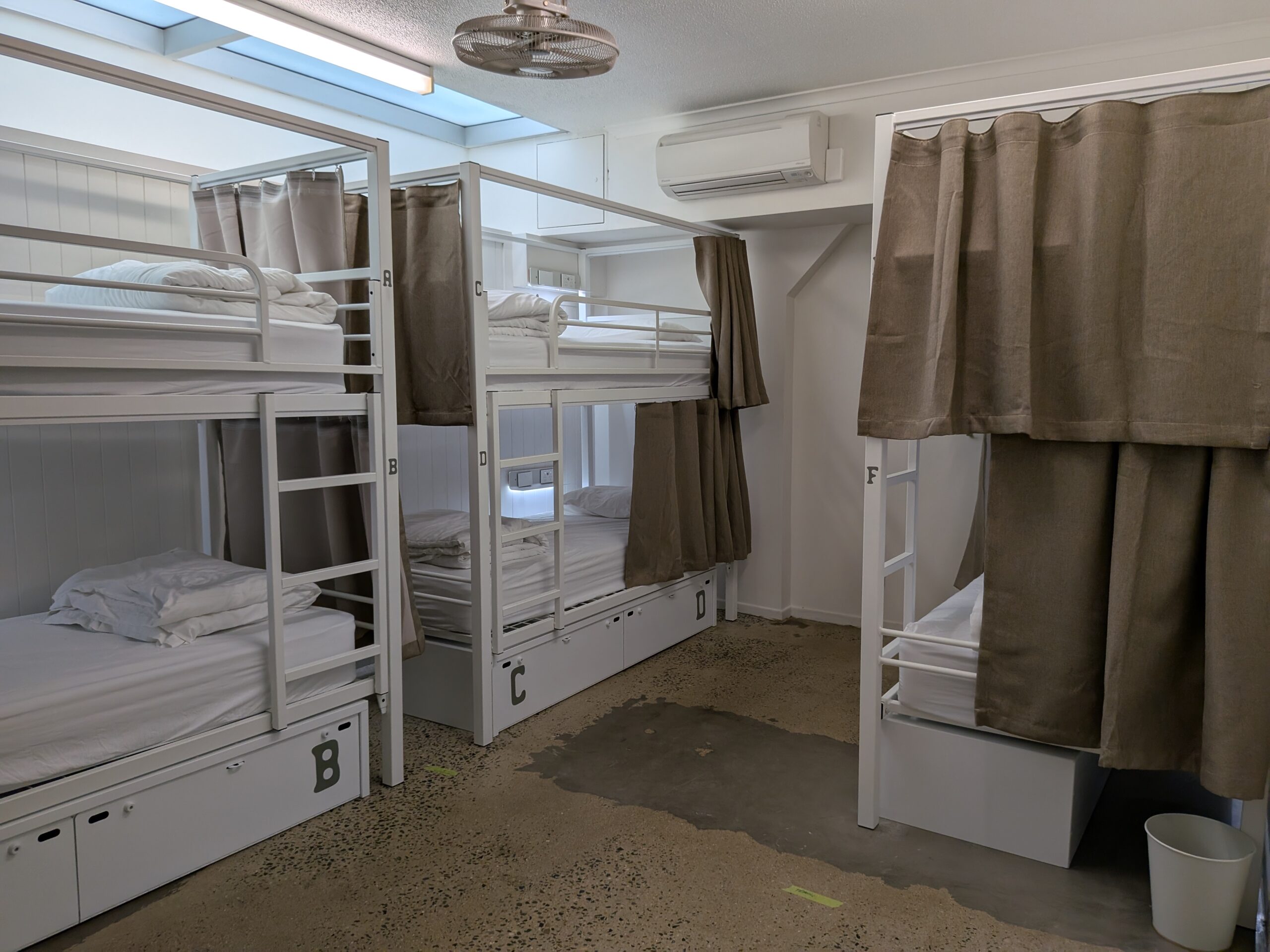
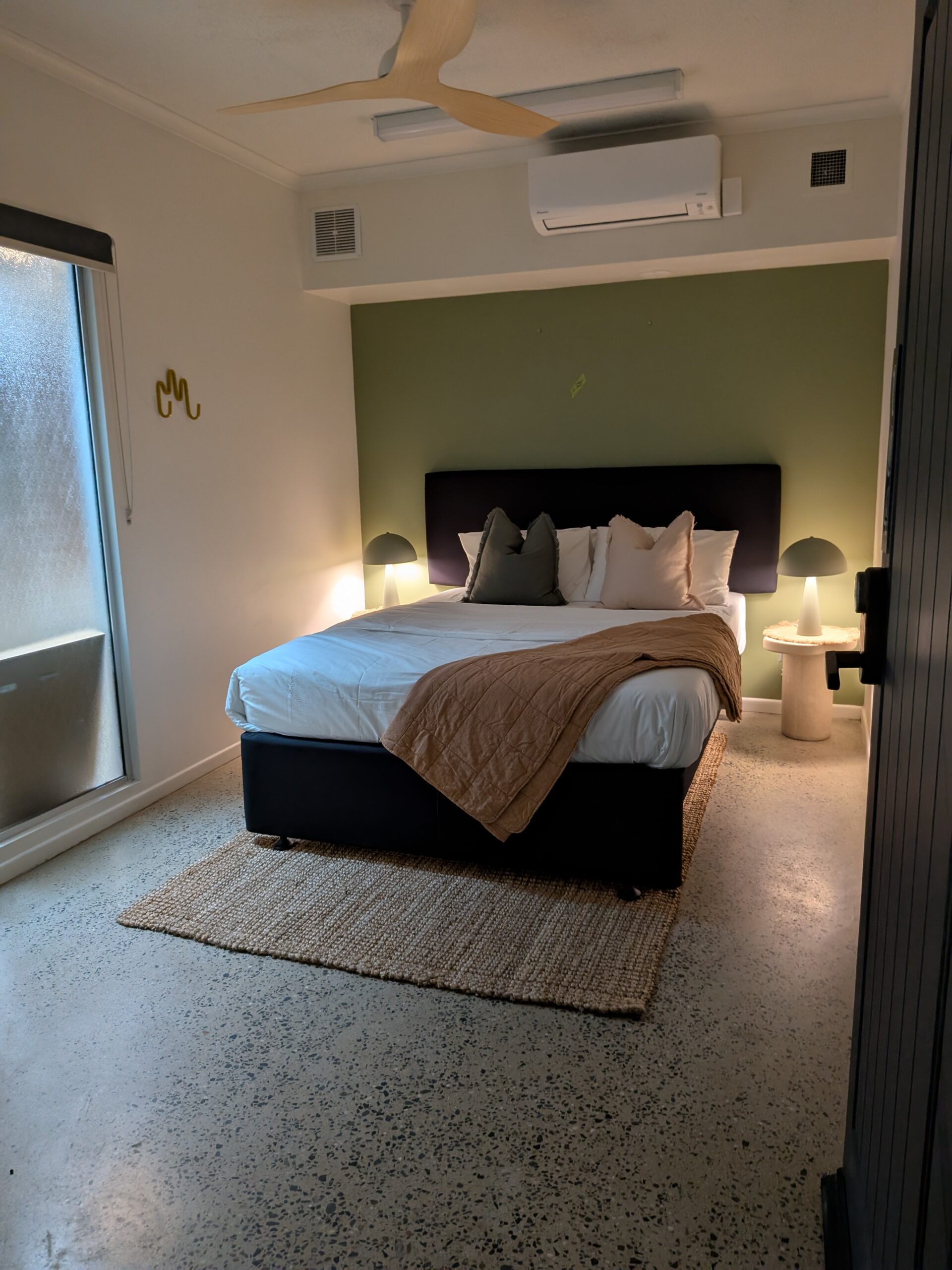
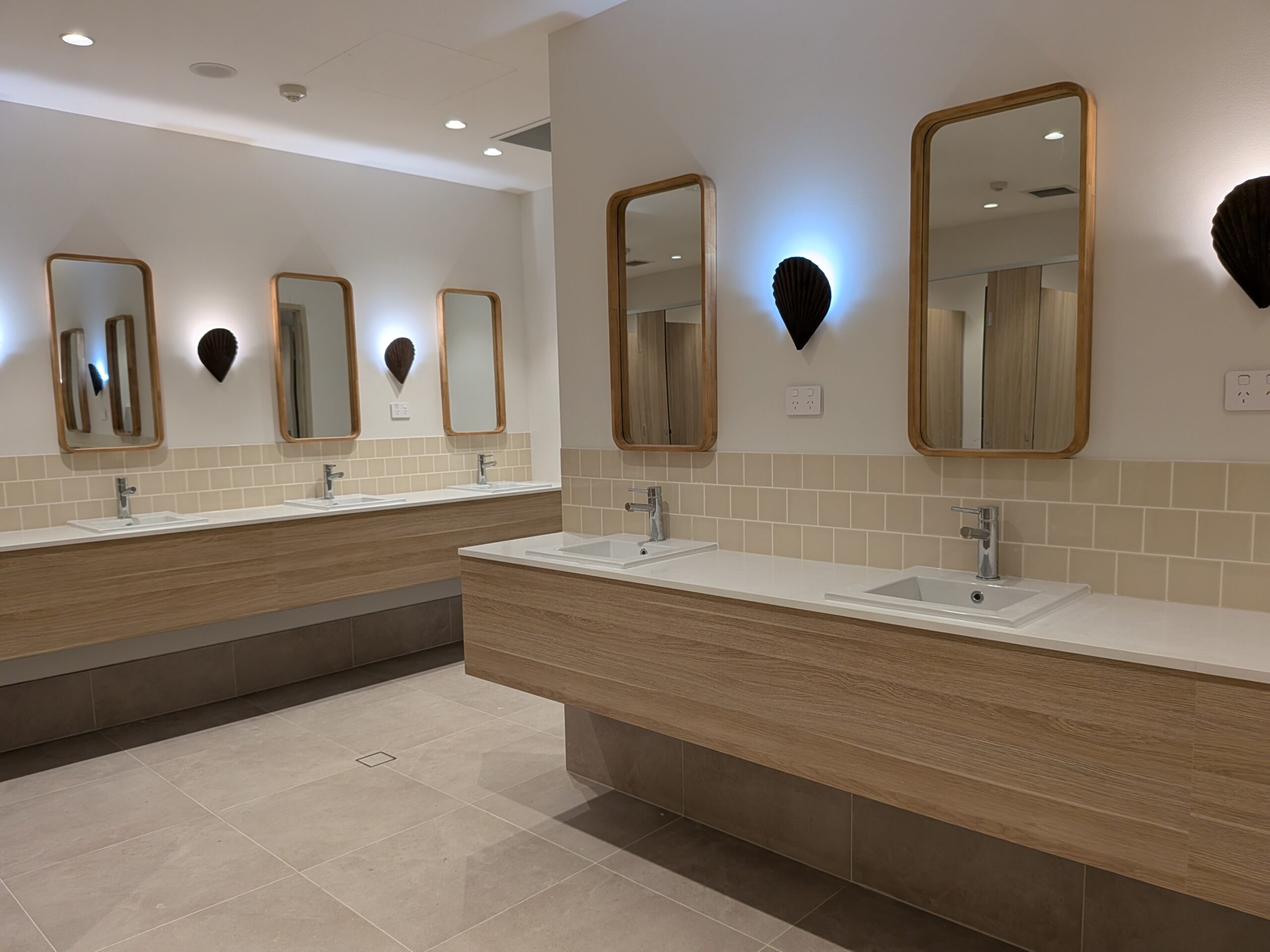
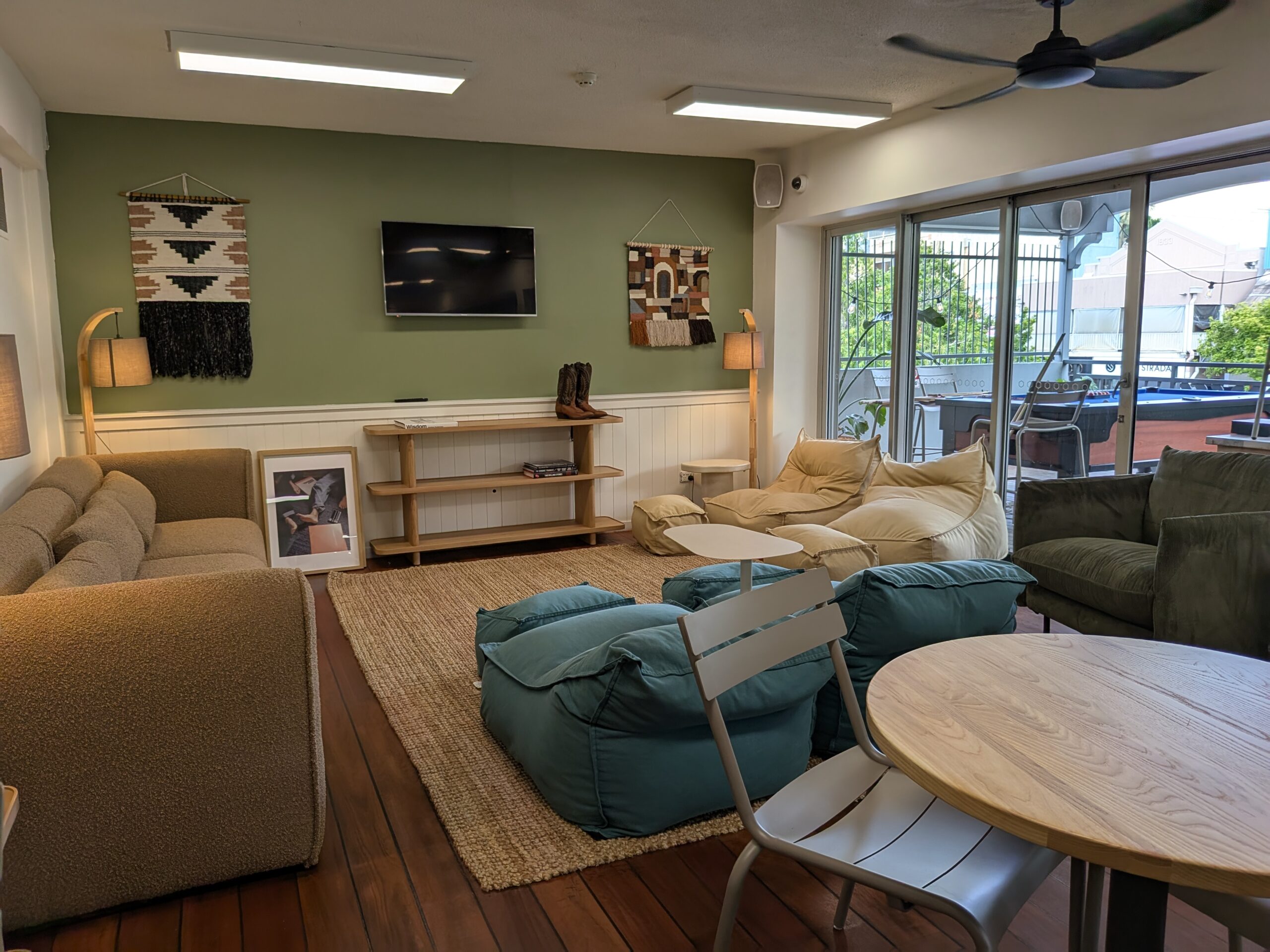
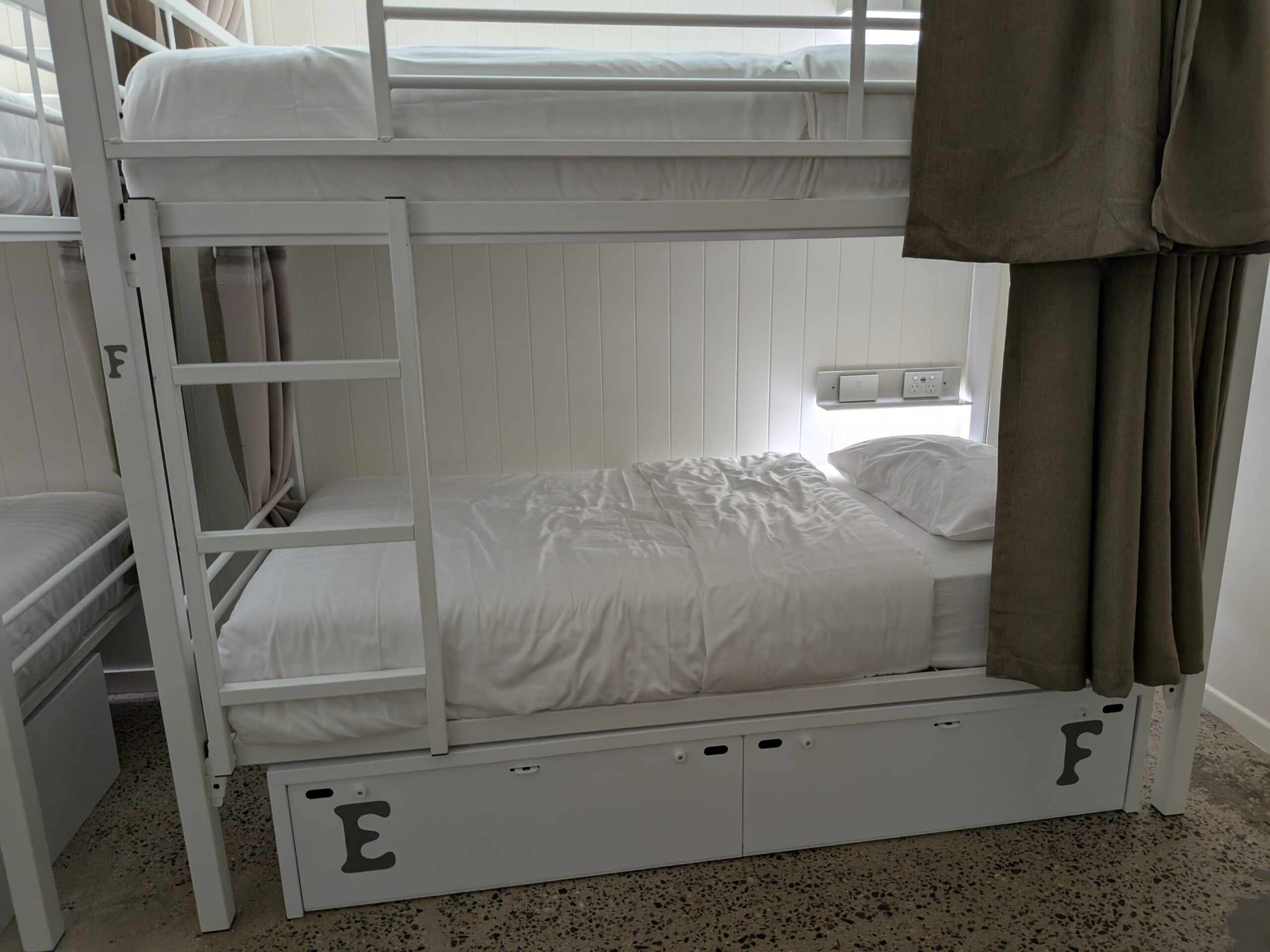
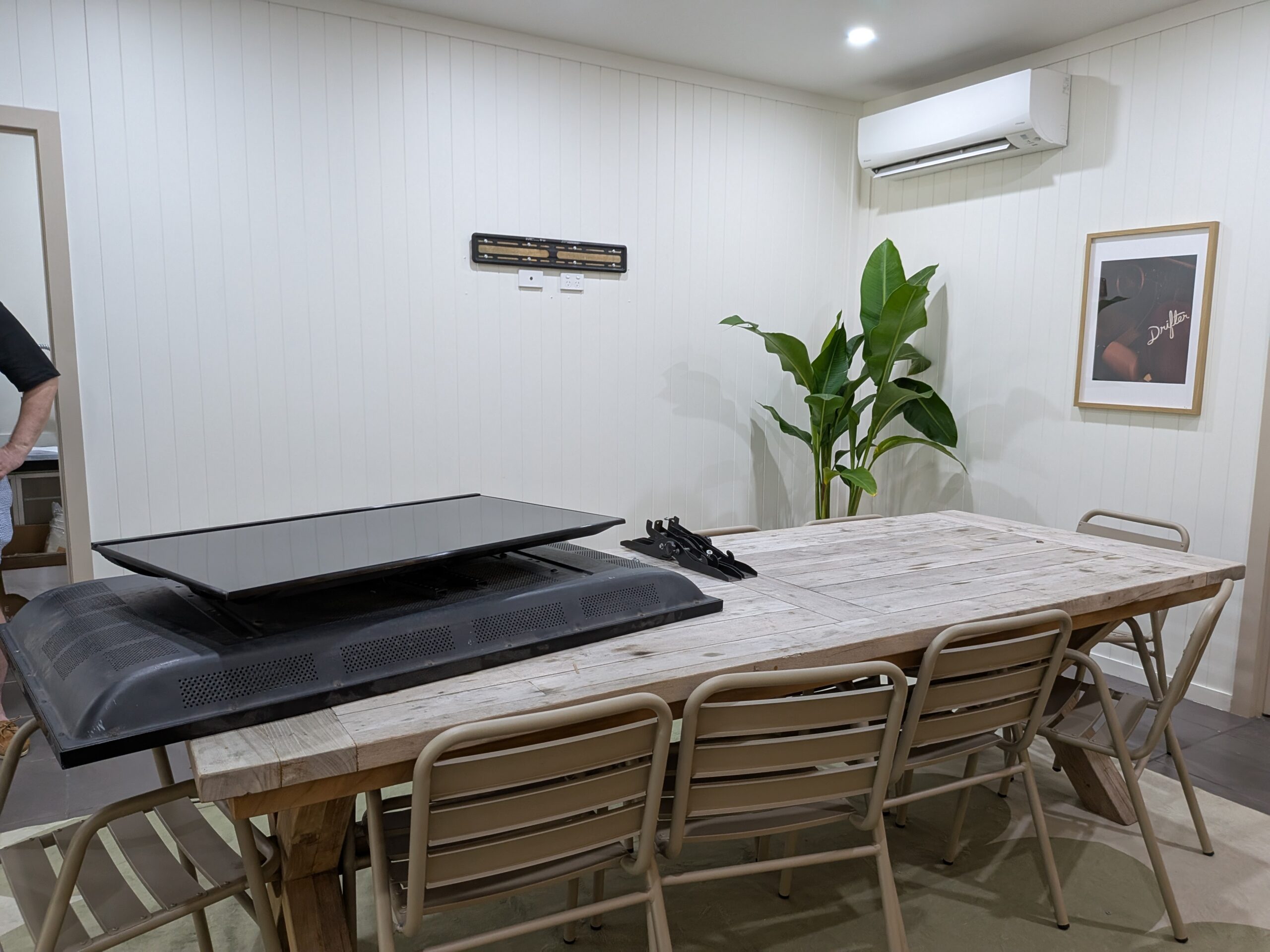
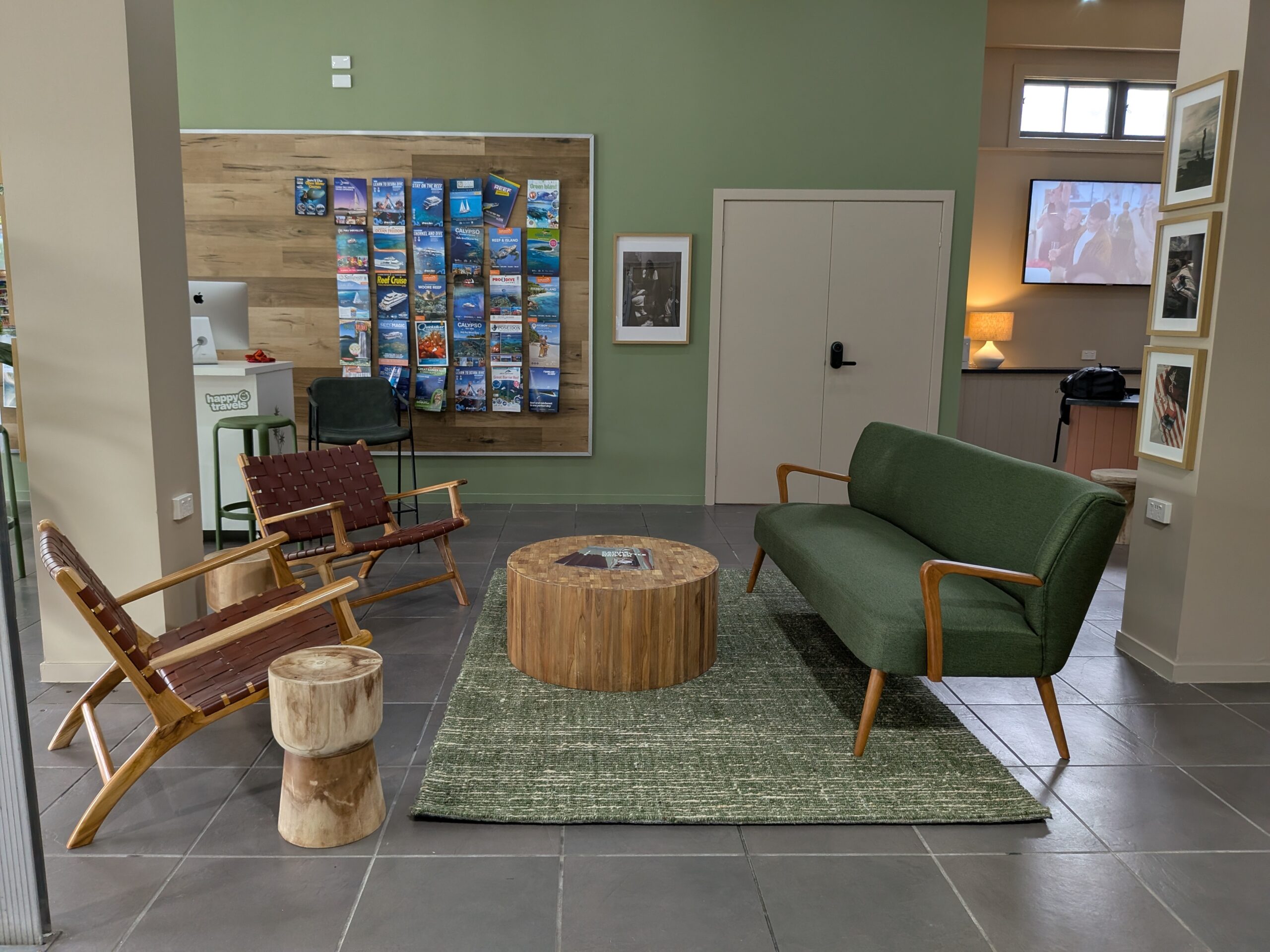
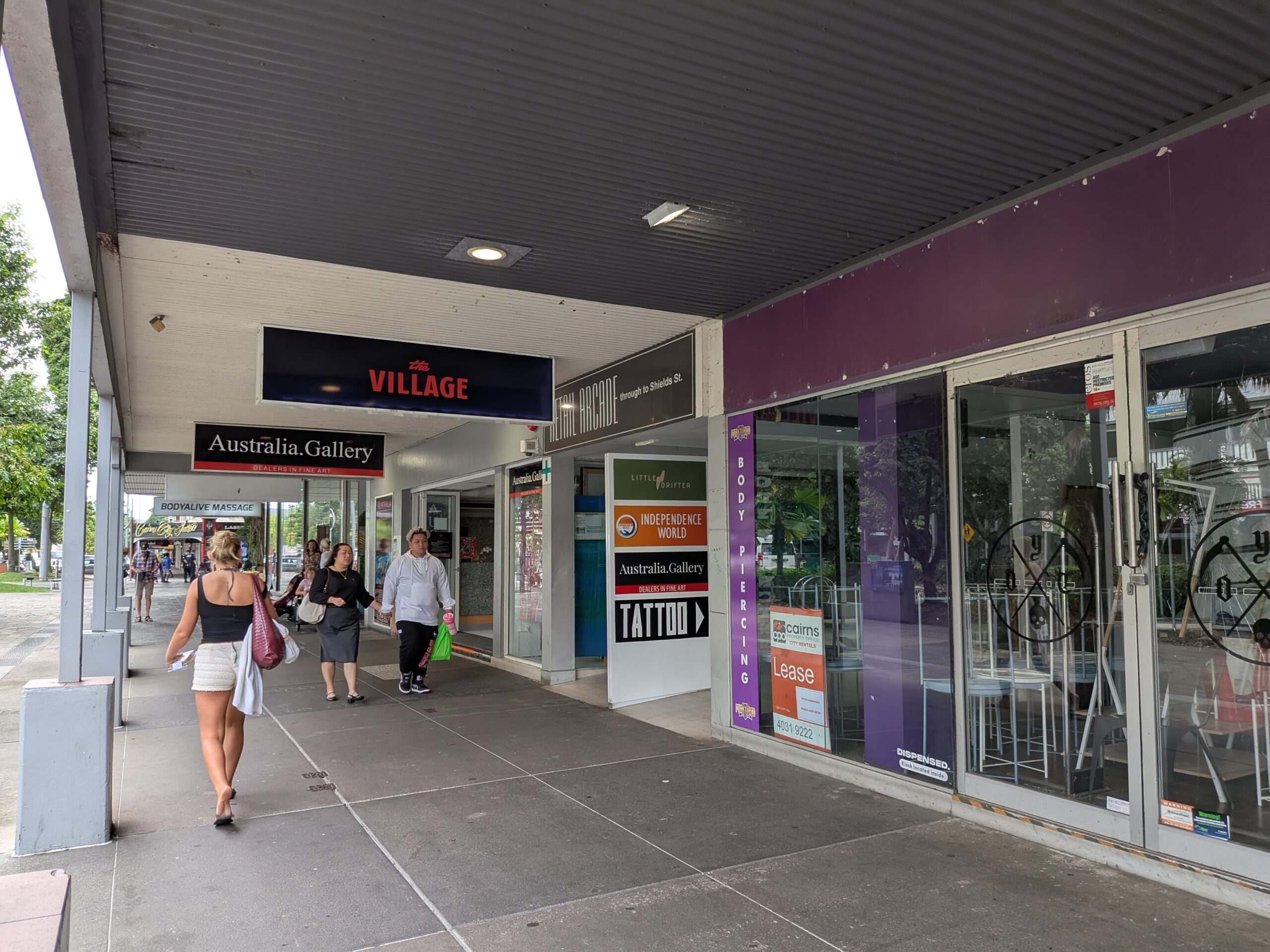
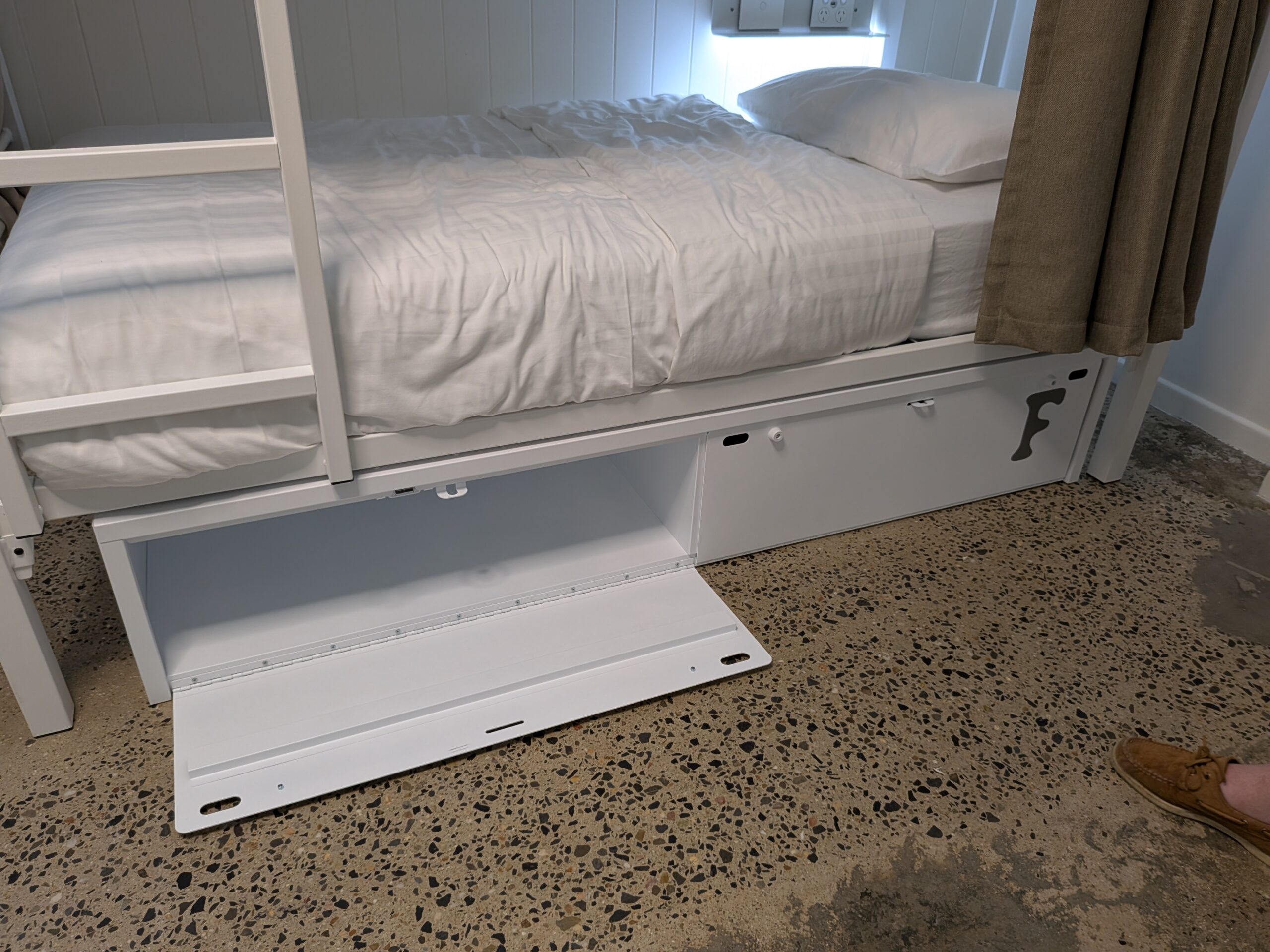
The accommodation is located in a dormitory-style hostel in central Cairns, located in close proximity to a range of cafes, restaurants, the mall, the esplanade and tourism operators. You can expect to share a room with 1-5 others of the same gender (please note that you can be accommodated with both volunteers and non-volunteers).

Accommodation upgrades to a single or double room with a communal bathroom at an additional cost, as well as extra nights of accommodation before or after your program.

We are happy to help with these arrangements and suggest that it is best to arrange accommodation upgrades or extensions with the O2E team at least 3 weeks prior to your program start date. Please note that these upgrades are subject to availability.
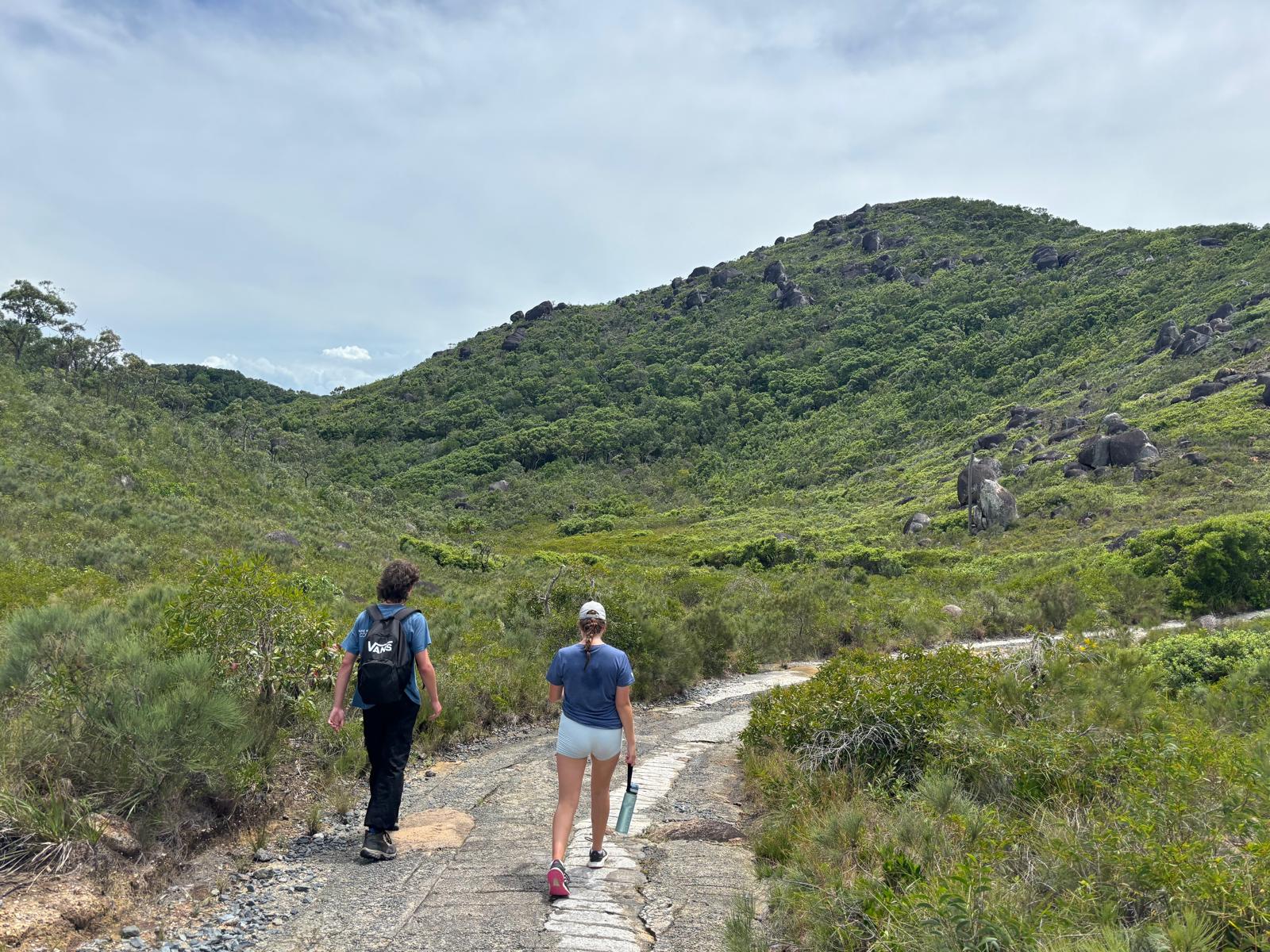

Healthy lunch varieties are provided from Monday to Friday. Breakfast and dinner are the responsibility of the participants. There are many great eateries in Cairns, as well as a communal kitchen for those volunteers who would like to shop for groceries and cook their own meals.

What's Included

  • University Credit & Marine Conservation Diploma
  • Pre-departure support & 24-hour in-country support
  • Project Information Pack
  • Hostel accommodation during field placement
  • Classroom training by marine Biologist
  • On the job in-water training
  • Transfers to island work locations
  • Research equipment
  • Lunch on workdays

*Please note some items are not included in the project fees listed above, such as flights, visas, vaccinations, travel insurance, snacks, spending money, local transport, in-country tours and return airport transfer (unless mentioned above). Please note that prices are subject to change without notice. Please ensure you have read the O2E Volunteers Terms and Conditions.

Accommodaton & Location

Accommodaton & Location

How Your Contribution Creates Impact

1
Money to the Project 50%

Money to the Project 50%

Direct funding to wildlife, marine, and community-based conservation fieldwork.

2
Course delivery and accreditation 16%

Course delivery and accreditation 16%

Structured online learning delivered, assessed and accredited, using diploma content expertly written by Oceans 2 Earth Volunteers and grounded in practical marine conservation experience.

3
Accommodation & Meals 16%

Accommodation & Meals 16%

Comfortable, eco-conscious lodging for your stay.

Locally sourced meals that support community food systems and local traders.

4
Operations Costs 3%

Operations Costs 3%

Essential behind-the-scenes work: staffing, logistics, and ethical oversight

5
Taxes & Charges 13%

Taxes & Charges 13%

Taxes, permits, and legal charges that uphold international and local standards.

6
Donation 2%

Donation 2%

Future Impact Fund – Additional contributions that extend support beyond your stay through ethical projects.

Jess T.

Jess T.

United Kingdom

The diploma meant I could actually get UCAS points for it. The modules made me think about stuff I wouldn’t have on my own — like why some MPAs work and others don’t. My personal statement was basically built around it. Loved every bit of it.

Used the diploma in her UCAS application for Marine Biology.

wpChatIcon
wpChatIcon