Listen to The Volunteer Traveler series one now

Great Barrier Reef Marine Conservation

Great Barrier Reef Marine Conservation

Dive, snorkel and contribute to reef conservation on the Great Barrier Reef

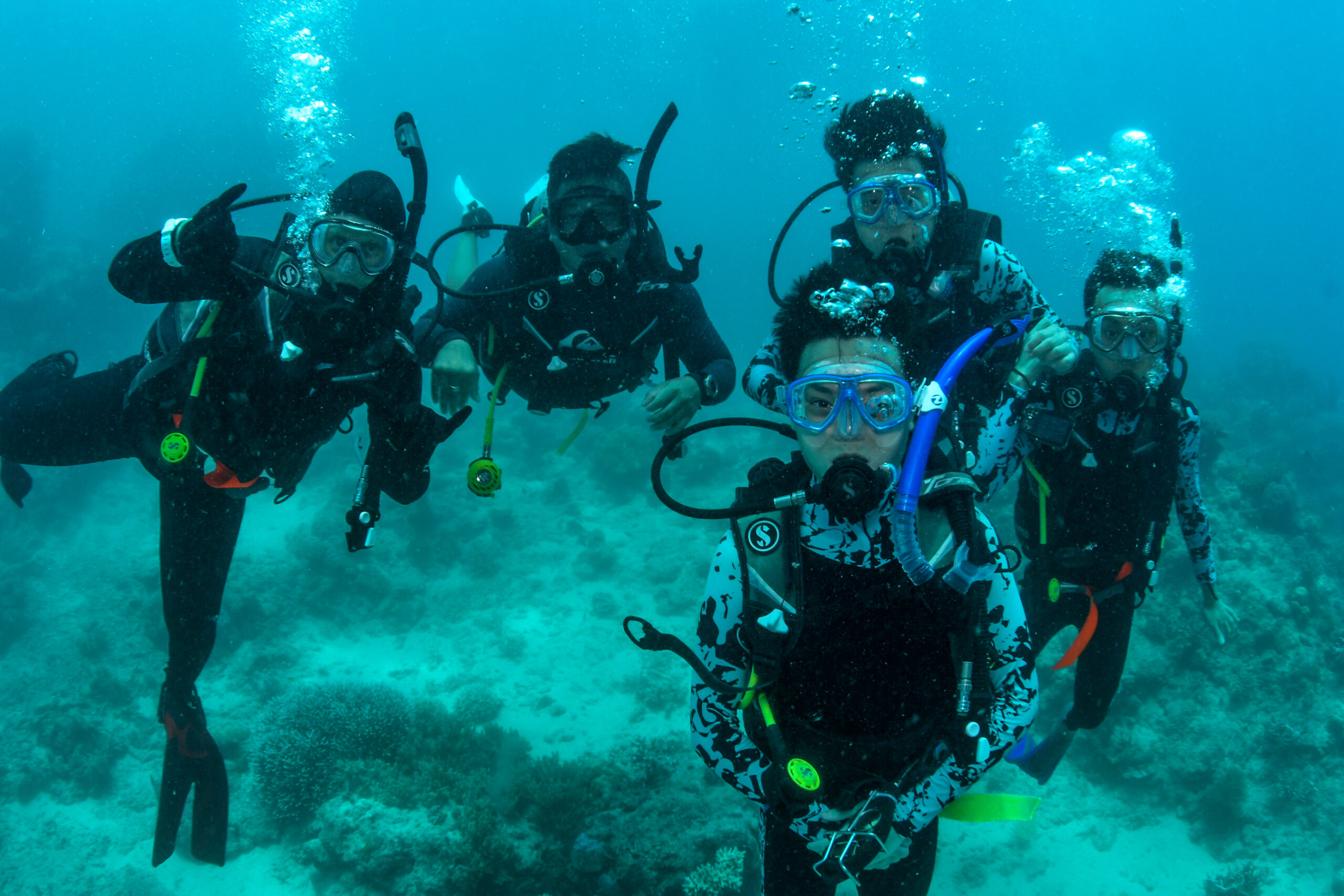
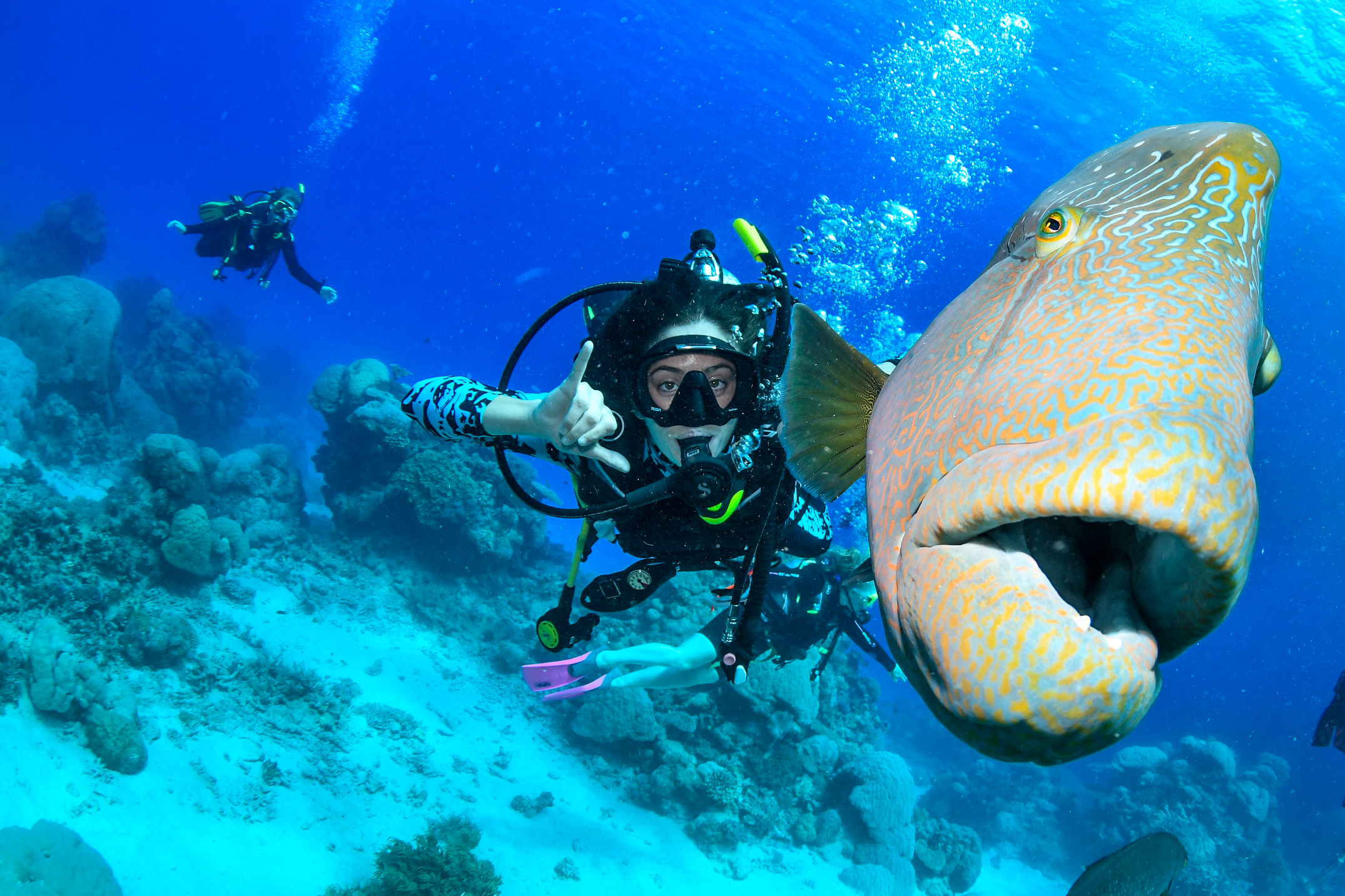
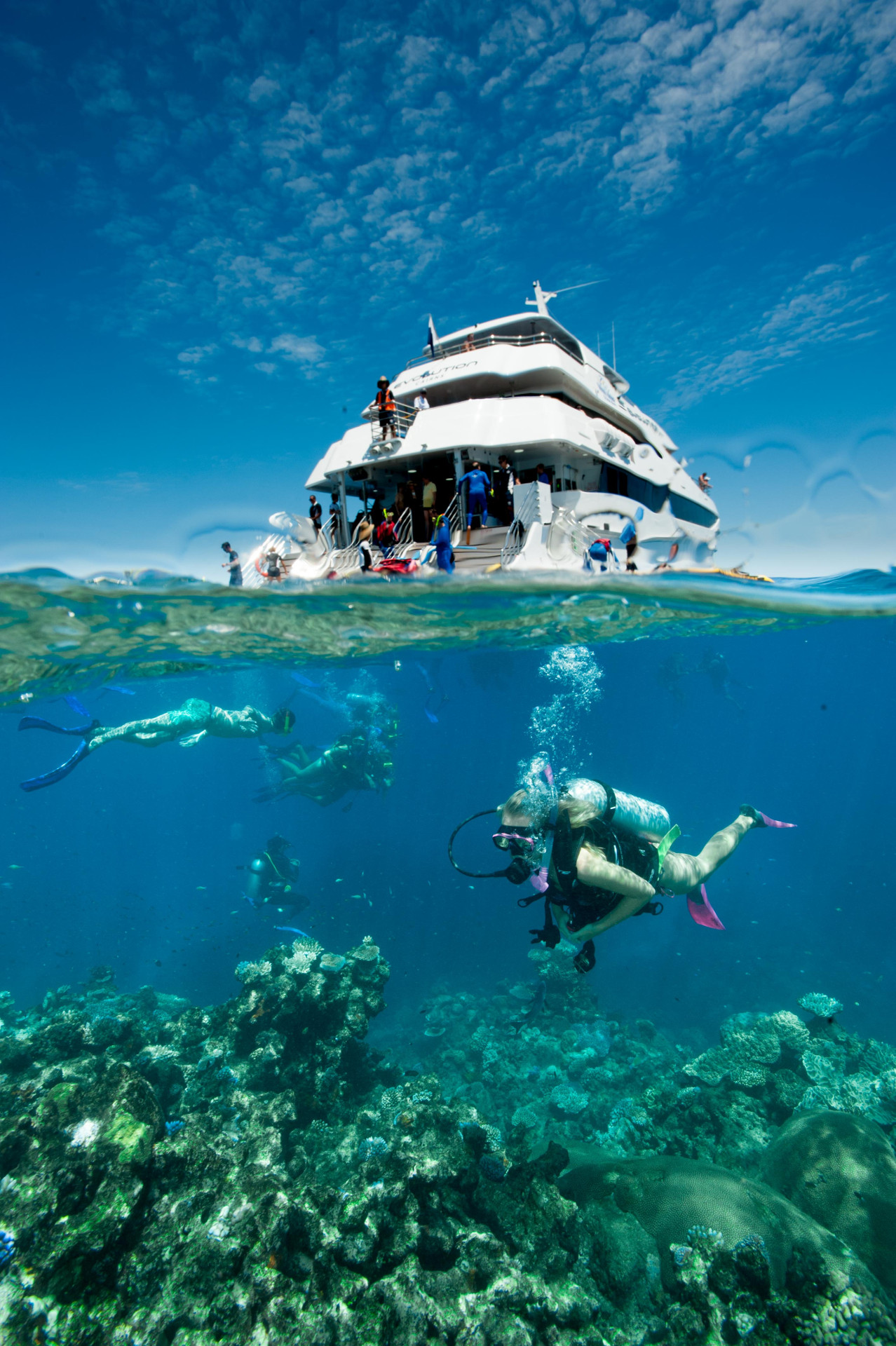
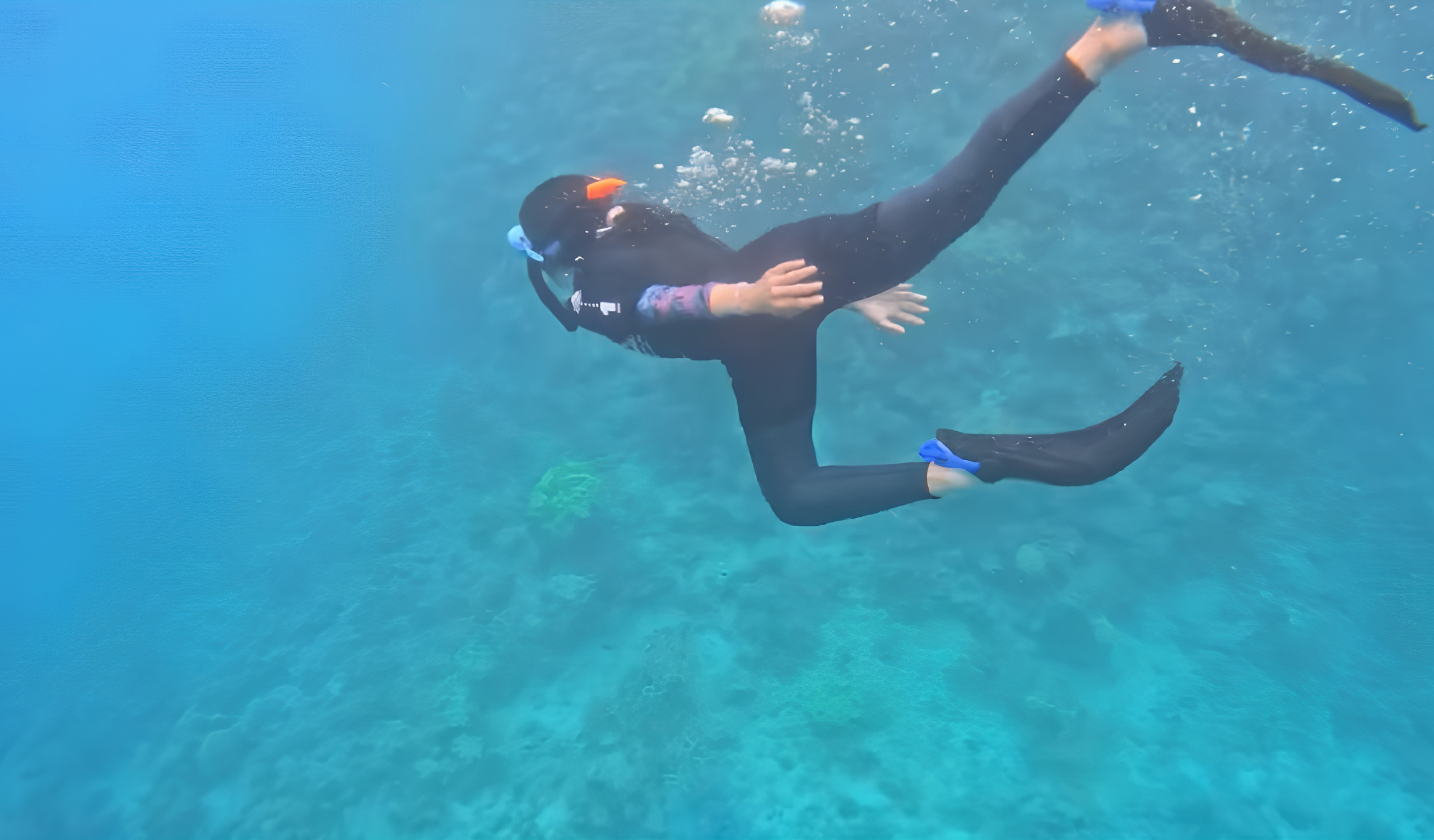
Great Barrier Reef Marine Conservation is a marine conservation program based in Cairns, designed for volunteers who want to combine a dive course or liveaboard reef experience with snorkelling-based conservation research. Depending on your package, you may complete an Open Water, Advanced Open Water or Rescue Diver course, or join a liveaboard as a certified diver or snorkeller. Your reef research and conservation activities are completed separately as a snorkeller, and may include reef health observations, fish and coral identification, turtle identification, benthos transects, marine debris clean-ups and data collection that supports reef health awareness and long-term conservation efforts.

Dive, snorkel and contribute to reef conservation on the Great Barrier Reef

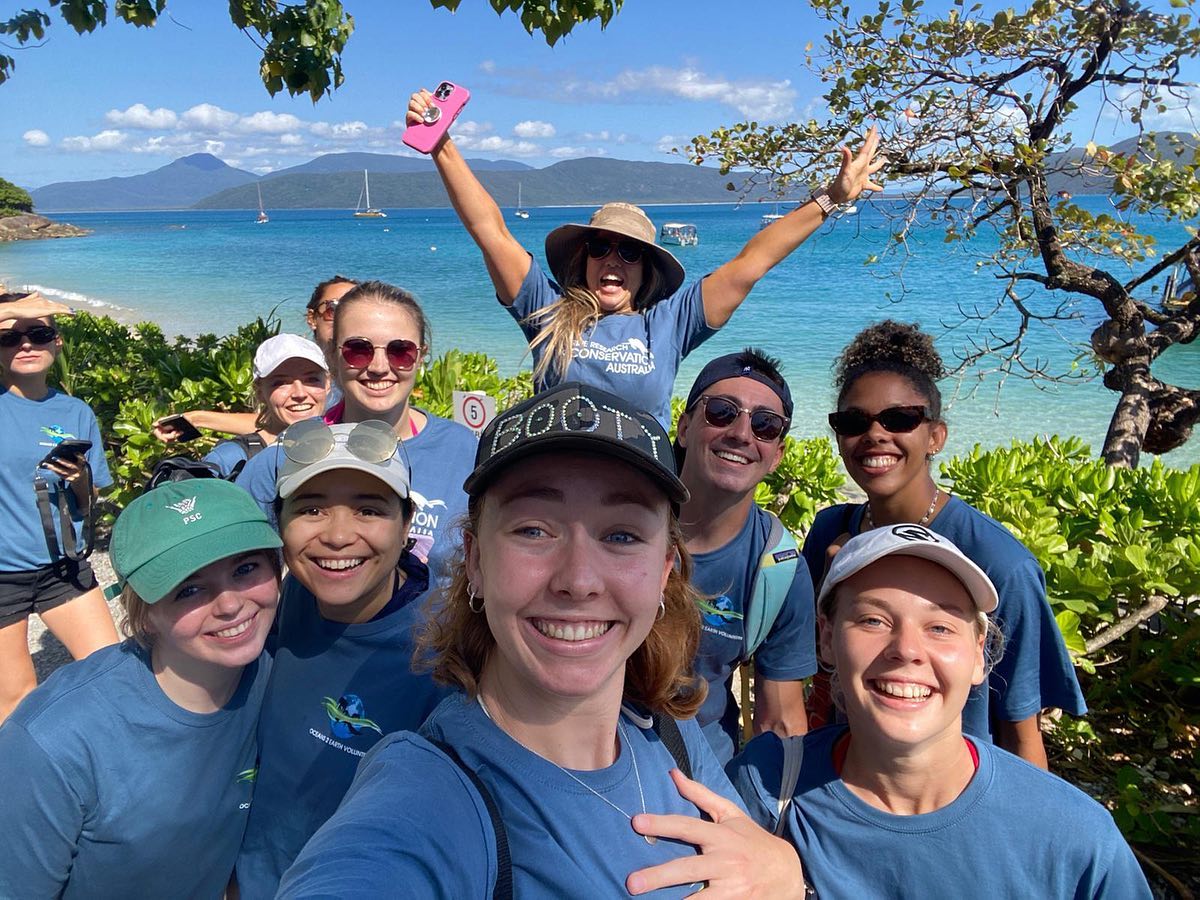
As a volunteer, you’ll contribute to Great Barrier Reef conservation by collecting information about reef health, marine animals, coral condition and marine debris.

This conservation research is completed as a snorkeller, not as a SCUBA diver. Snorkelling allows volunteers to move more slowly, observe carefully and collect more consistent reef survey information. It also keeps the research component accessible and aligned with Queensland’s safety requirements around formal SCUBA-based survey work.

Your dive course or liveaboard is a separate component of the program, designed to build your dive skills or give you more time experiencing the reef.

This program has two main components:

1. Dive course or liveaboard component

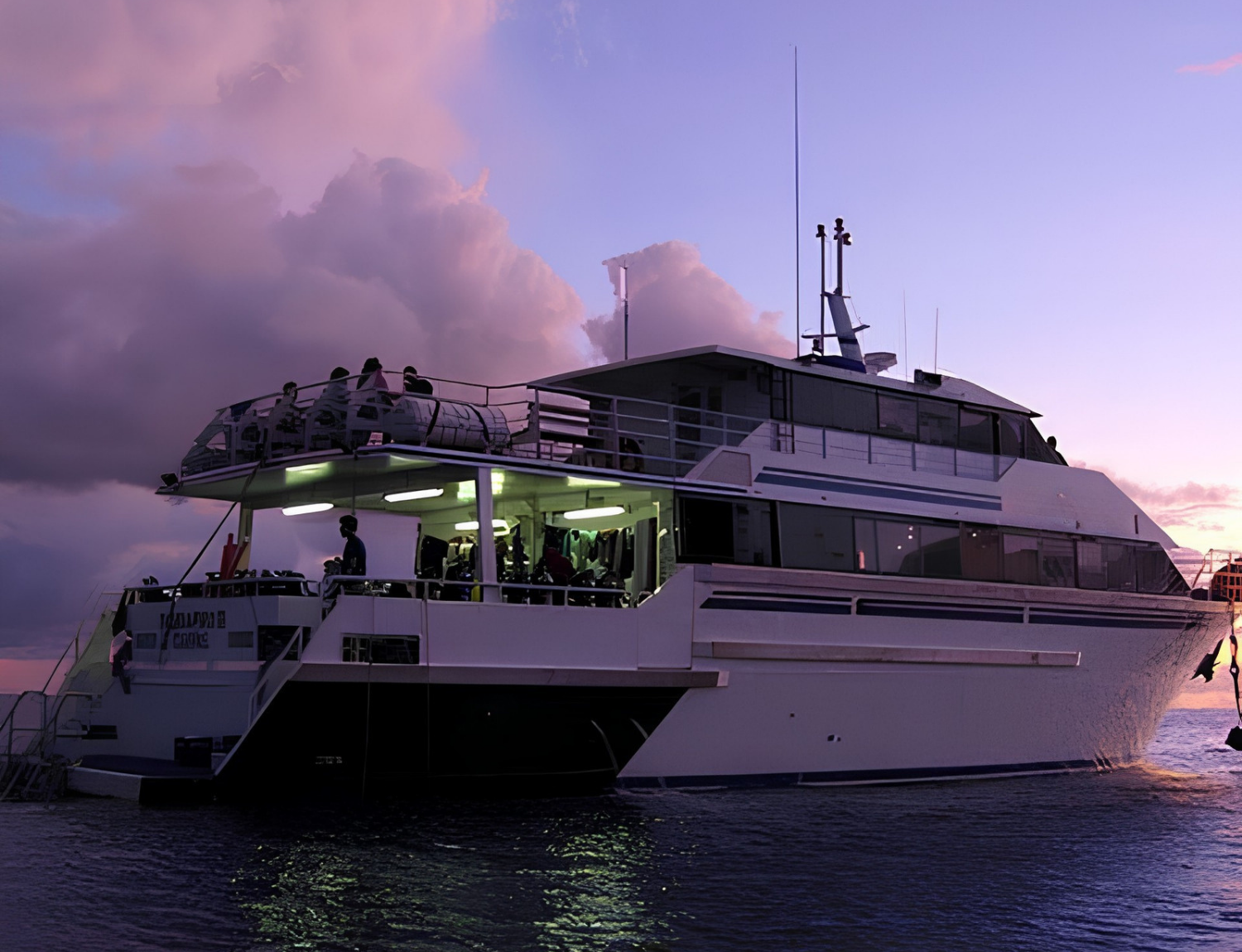
Depending on the package you choose, you may complete an Open Water, Advanced Open Water or Rescue Diver course, or join a liveaboard reef experience as a certified diver or snorkeller. This component may take place after your conservation and research week, depending on your package, start date, weather, reef conditions and dive operator schedules.

2. Snorkelling-based conservation research component

The conservation and research component is completed as a snorkeller. You do not need to SCUBA dive for this part of the program.

This is intentional. For this style of reef monitoring, snorkelling allows volunteers to move more slowly and collect more consistent survey data. Divers often cover ground too quickly and may record less than snorkellers during comparable observation activities. Queensland also has strict safety requirements around SCUBA-based research, which means only divers with appropriate research certification can complete formal SCUBA surveys.

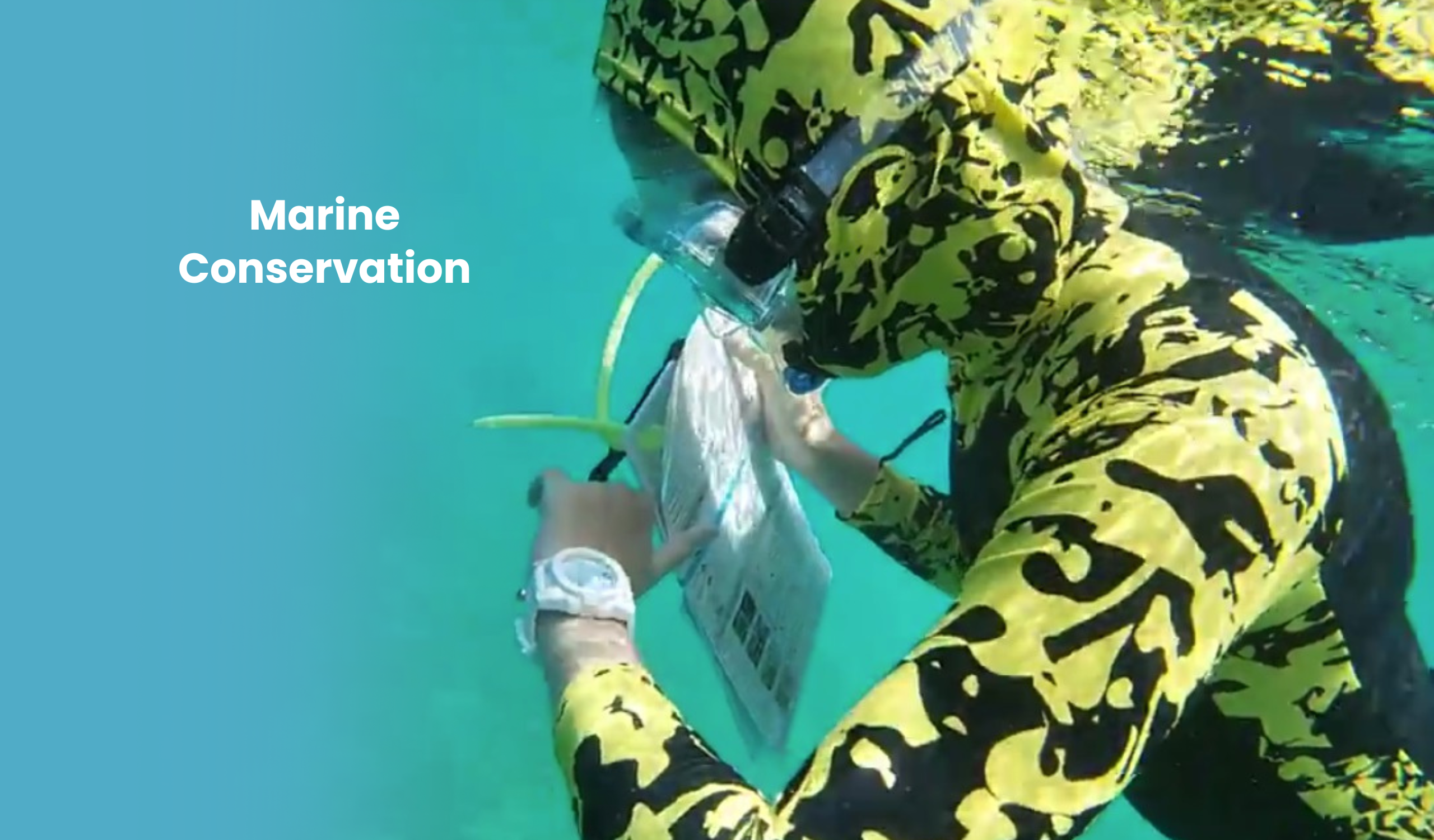
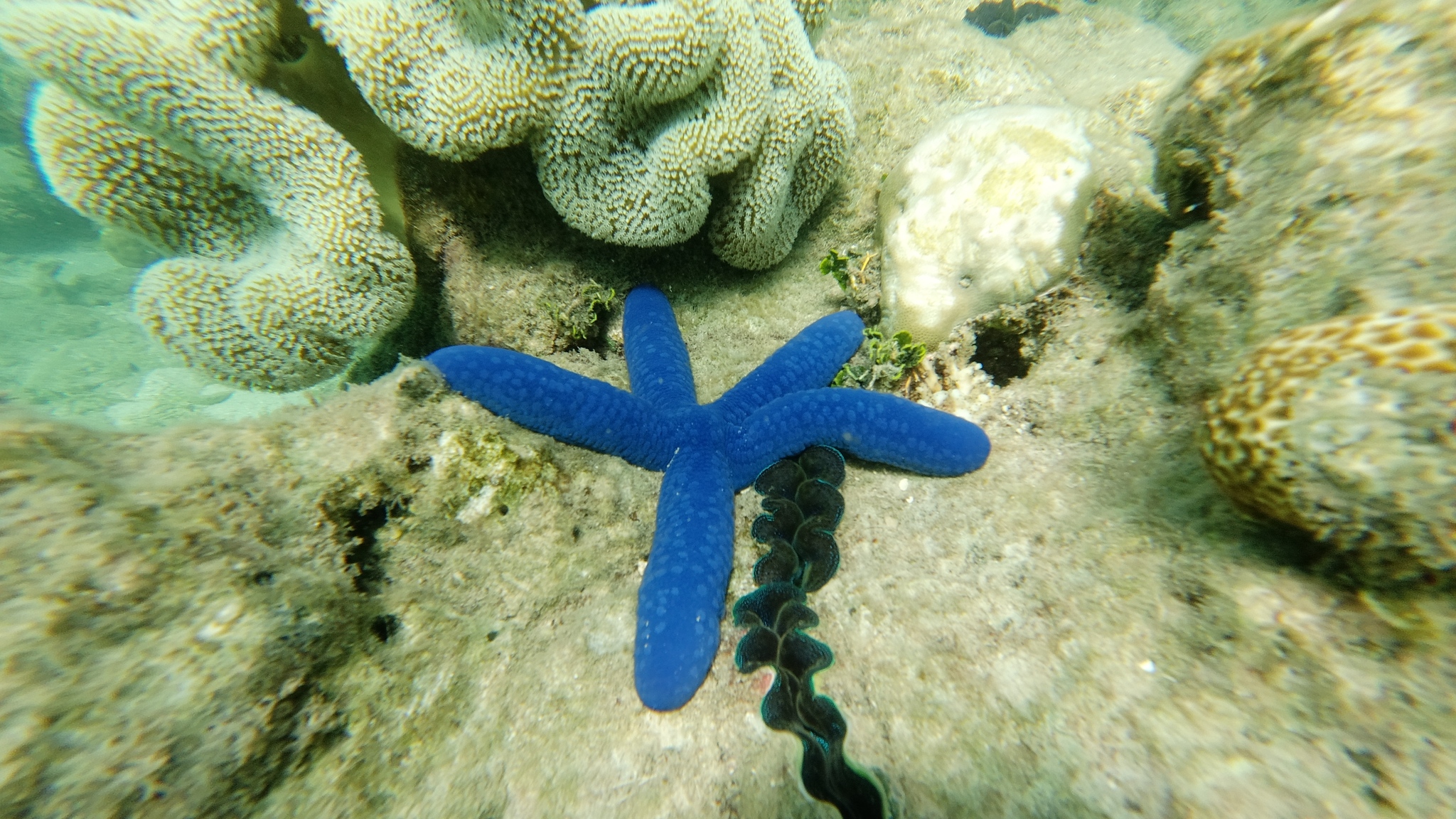
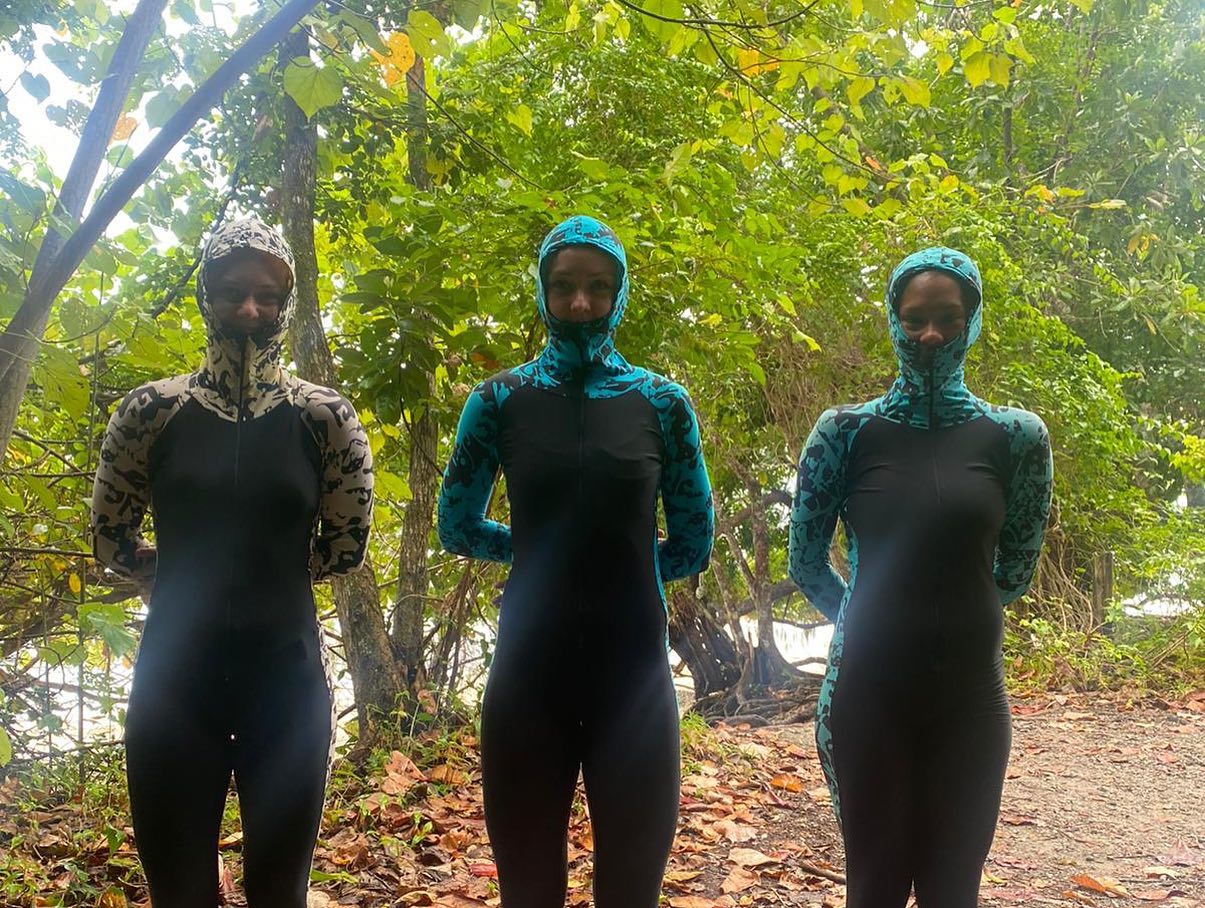
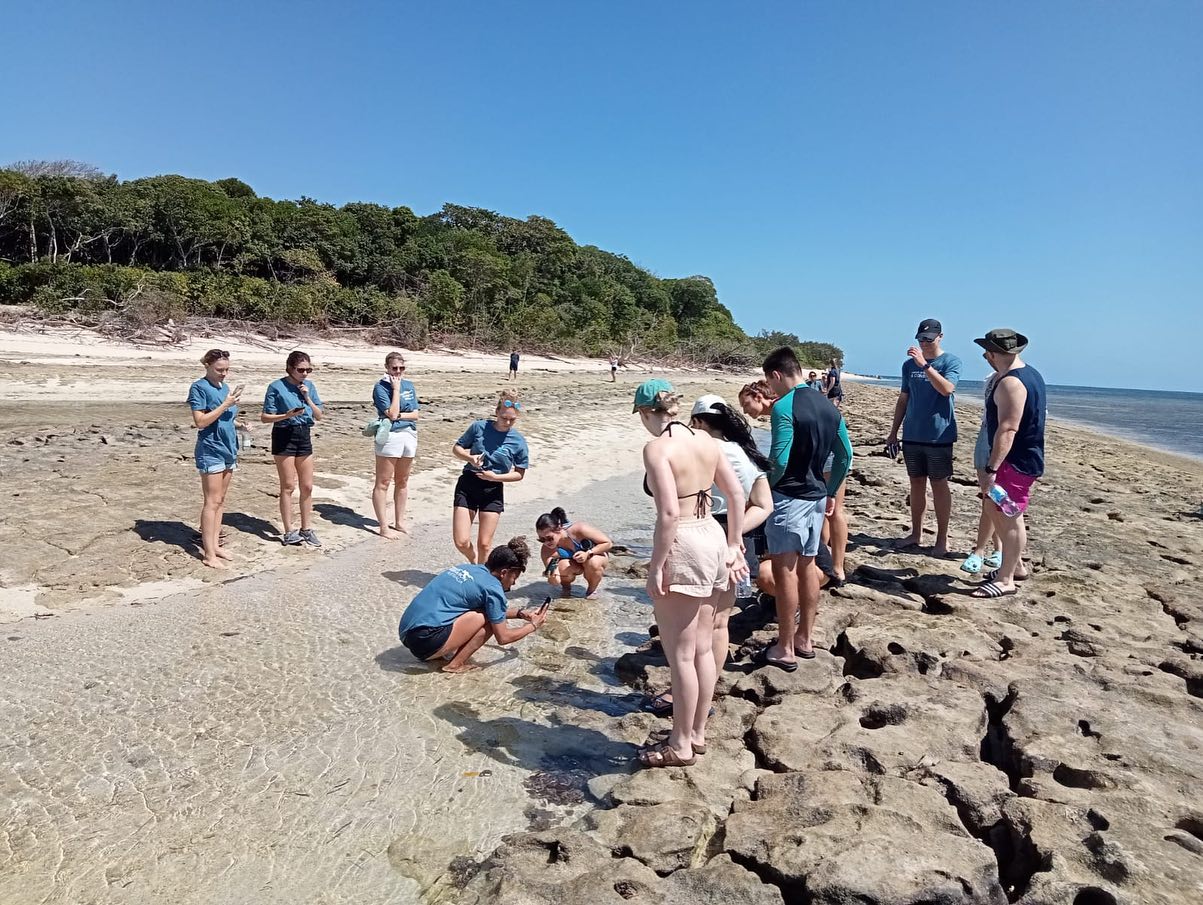
During this component, you may assist with reef monitoring, coral and fish identification, turtle identification, benthos transects, marine debris activities and other snorkelling-based citizen science tasks.

The programs includes free days, such as weekends for you to explore the Tropical North Queensland region.

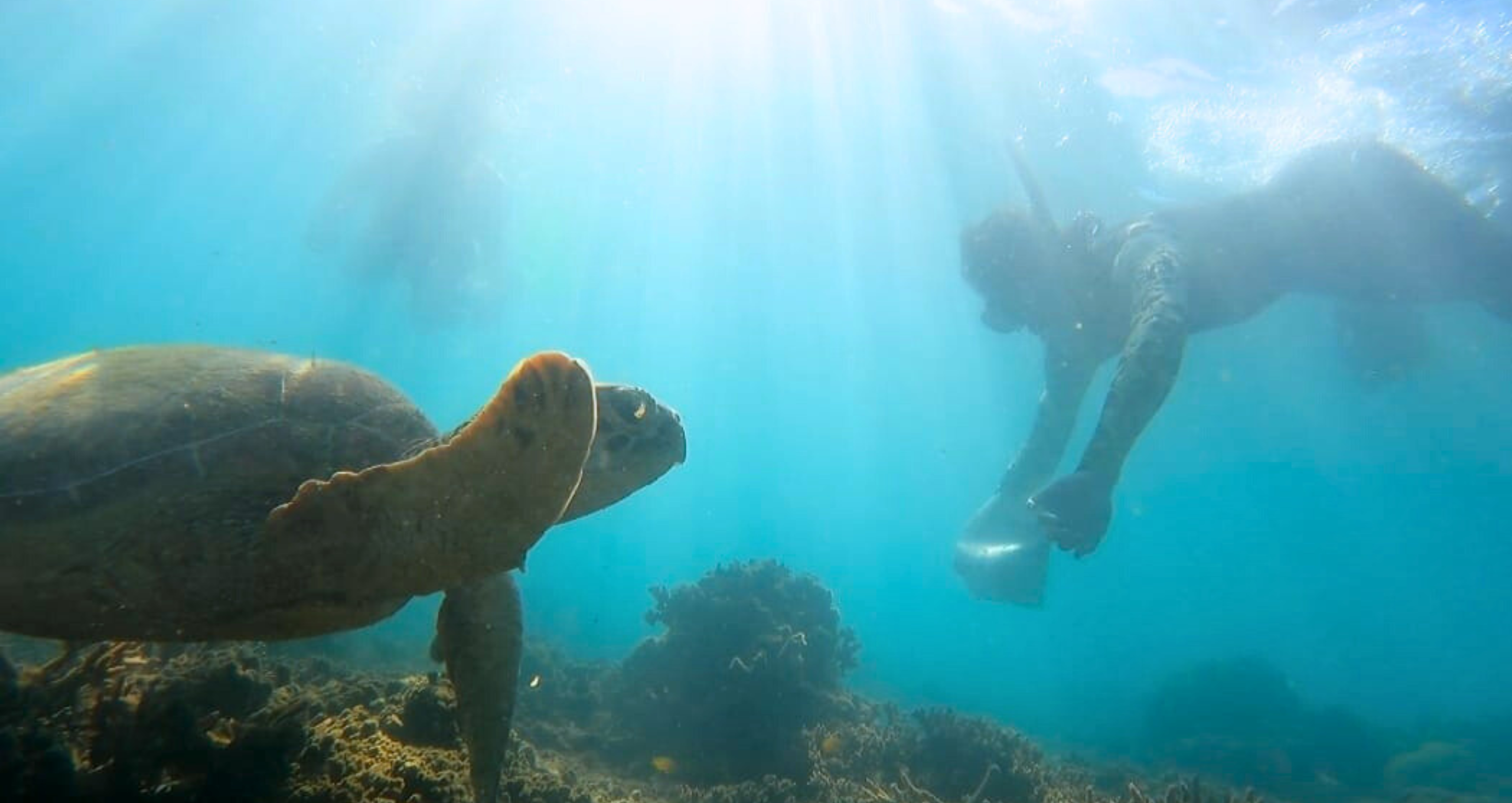
Activities vary from day to day depending on your selected package, reef conditions, weather and project requirements.

Some days may be focused on your dive course or liveaboard experience. Other days may involve snorkelling-based reef monitoring, coral and fish identification, turtle identification, marine debris activities, data recording or conservation training.

Your exact schedule may vary slightly depending on which dive course or liveaboard option you choose, but the core conservation research experience remains snorkelling-based.

Volunteers must be at least 18 years old to join this program independently.

Participants must be confident in the water. Dive course participants must be able to swim 200 metres or snorkel 300 metres, and tread water or float for 10 minutes. This water-confidence requirement also applies to the snorkelling-based reef research and conservation component.

If your package includes a dive course or certified diver liveaboard, you may also need to complete a dive medical questionnaire, provide proof of dive certification, or obtain medical clearance stating that you are fit to SCUBA dive.

A 17-year-old may be considered only if travelling with or at the express consent of a parent, guardian or responsible adult.

This must be discussed with O2E before booking. Please do not book a 17-year-old participant without written confirmation from us.

Because standard accommodation is shared, a 17-year-old may need an accommodation upgrade or private room arrangement. Any extra accommodation costs are the responsibility of the participant and accompanying adult.

The accompanying adult is responsible for the 17-year-old’s wellbeing, behaviour, travel arrangements and ability to follow safety instructions throughout the program.

A 17-year-old may travel without a parent or guardian only with written approval from O2E and at the full responsibility of their parent or guardian; O2E supervision applies during scheduled program activities only, not during free time, accommodation, meals, transfers or independent travel.

This is an active marine program, so volunteers should be prepared for swimming, snorkelling, boat travel, shared accommodation, sun exposure, changing reef conditions and full days outdoors.

The research component requires focus and patience. You may need to identify fish and coral species, estimate reef health indicators, record observations and follow instructions carefully while snorkelling.

SCUBA diving and liveaboard experiences have separate safety requirements, including medical fitness, equipment use, depth limits and safe diving procedures.

Most programs begin with arrival on the Sunday before the first Monday of the month, followed by orientation on the Monday.

There are a few exceptions where dates shift slightly around public holidays or seasonal closures.

For example:

January 2027
Arrival: Sunday 10 January 2027
Orientation: Monday 11 January 2027
This later start helps avoid the Christmas and New Year period.

February 2027
Arrival: Sunday 31 January 2027
Orientation: Monday 1 February 2027

March 2027
Arrival: Sunday 28 February 2027
Orientation: Monday 1 March 2027

You do not need to work this out manually. The booking widget will guide you to the available start dates so you can choose the option that suits you best.

Available program options include:

14 days / 13 nights

  • Open Water Dive Certificate
  • Advanced Open Water Dive Certificate
  • Rescue Diver Course
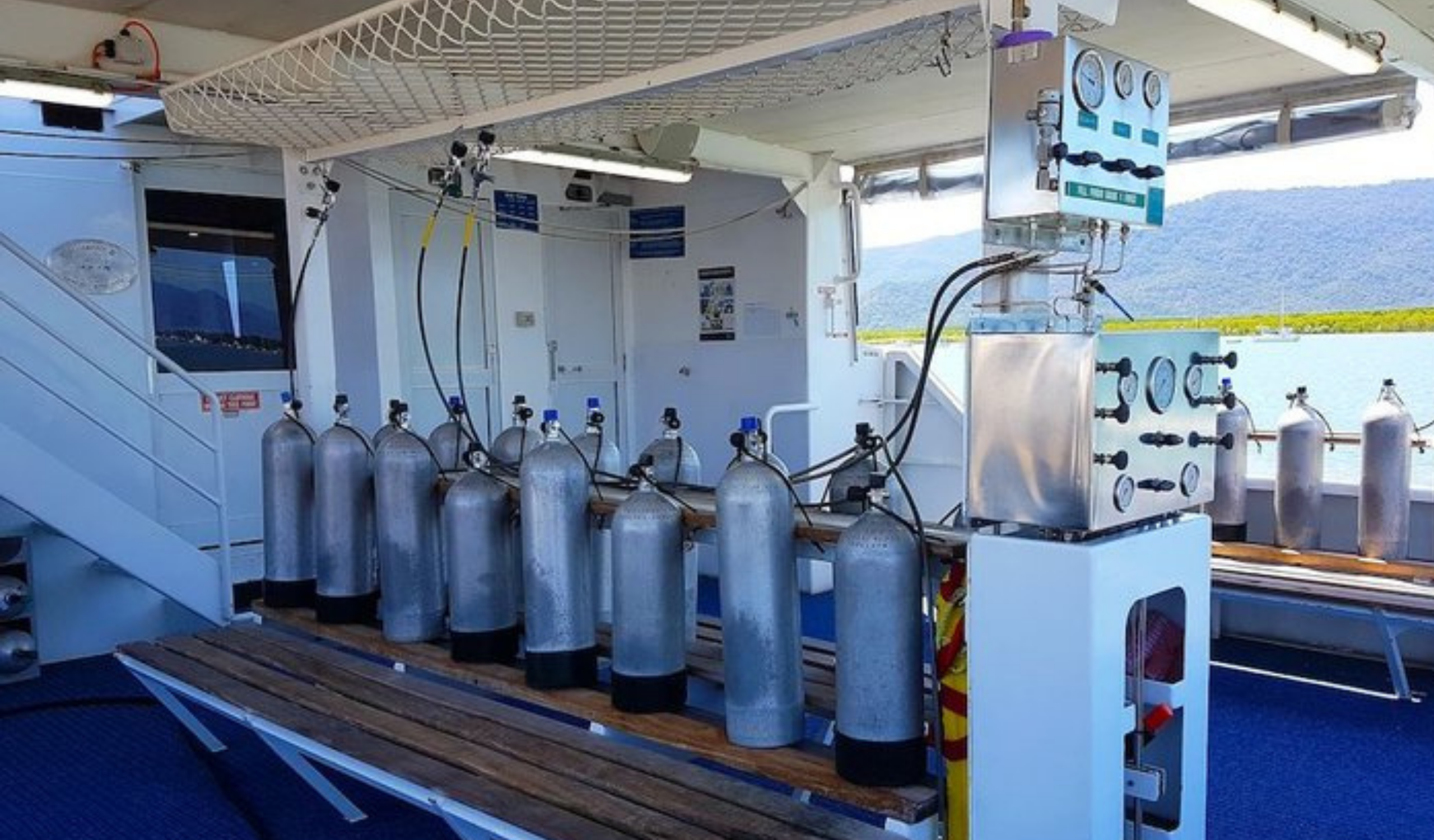
  • Certified Diver Liveaboard on the Reef
  • Liveaboard for Snorkellers

21 days / 20 nights

  • Open Water Dive Certificate
  • Advanced Open Water Dive Certificate
  • Rescue Diver Course
  • Certified Diver Liveaboard on the Reef
  • Liveaboard for Snorkellers

Activities vary by package and day.

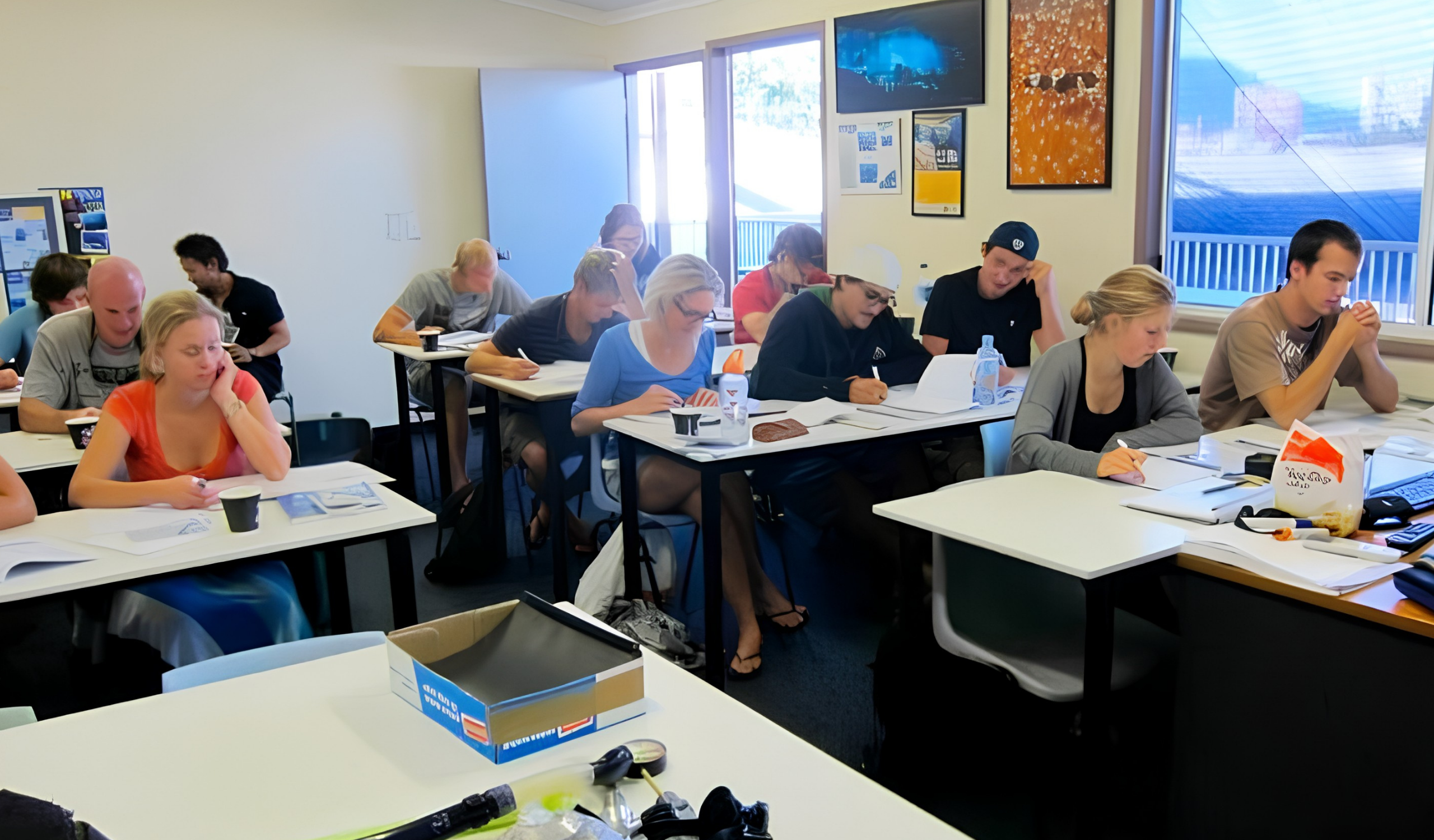
Your roster may include your selected dive course or liveaboard component, classroom or practical preparation, island or reef days, snorkelling-based data collection, coral and fish identification, turtle identification, benthos surveys, marine debris activities or conservation discussion.
The schedule may change depending on weather, reef conditions, safety requirements, dive operator schedules and conservation priorities.
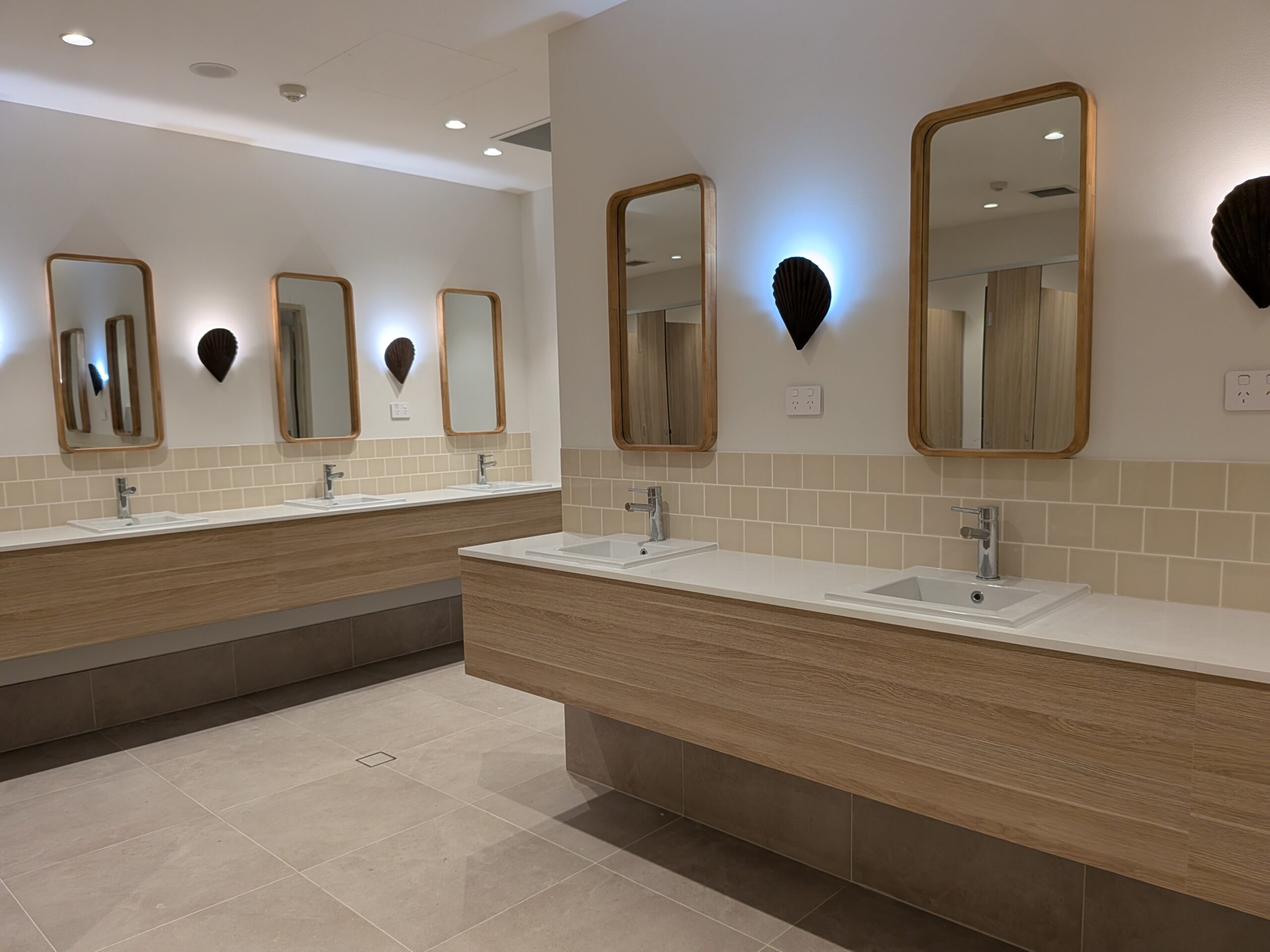
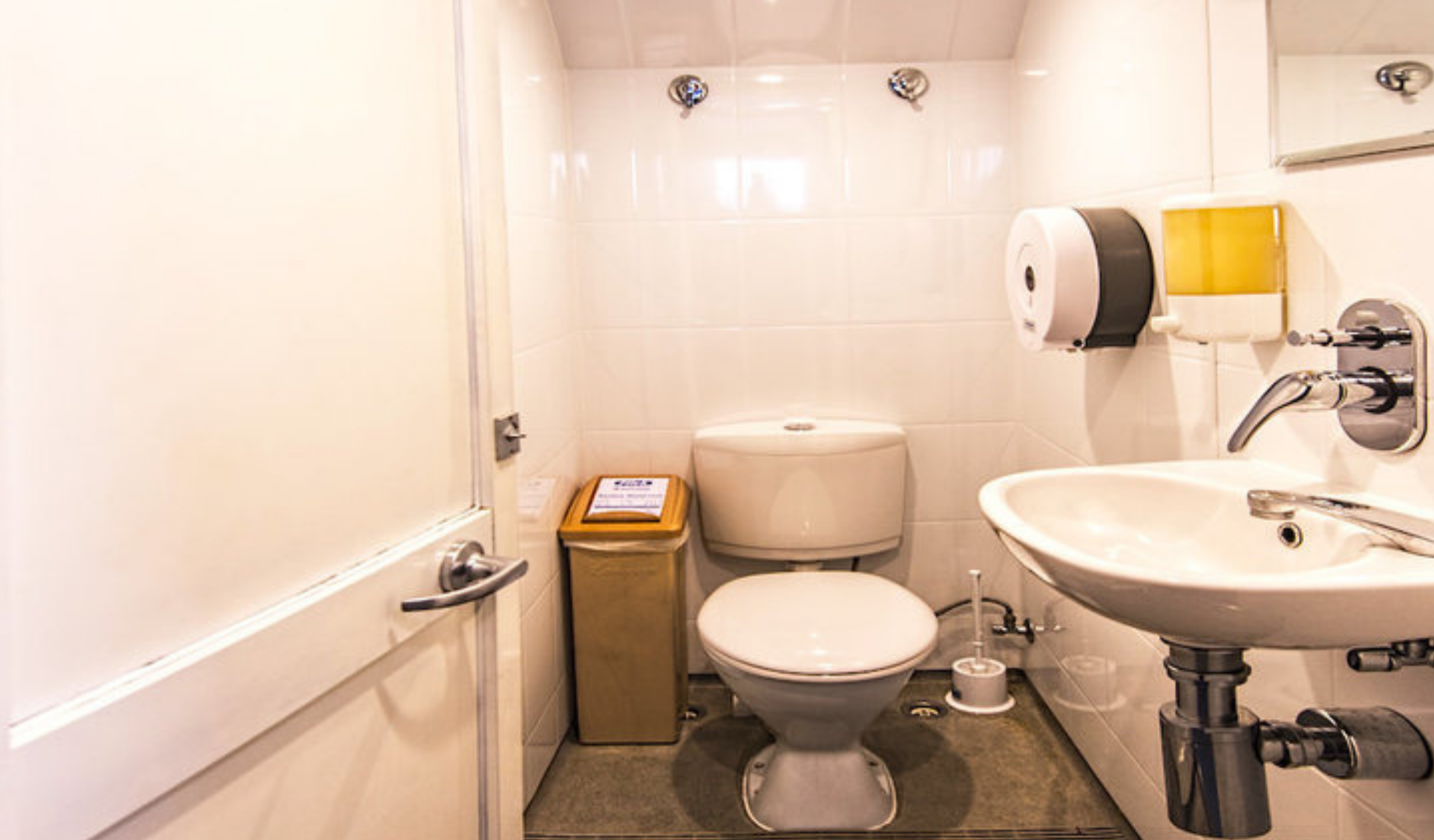
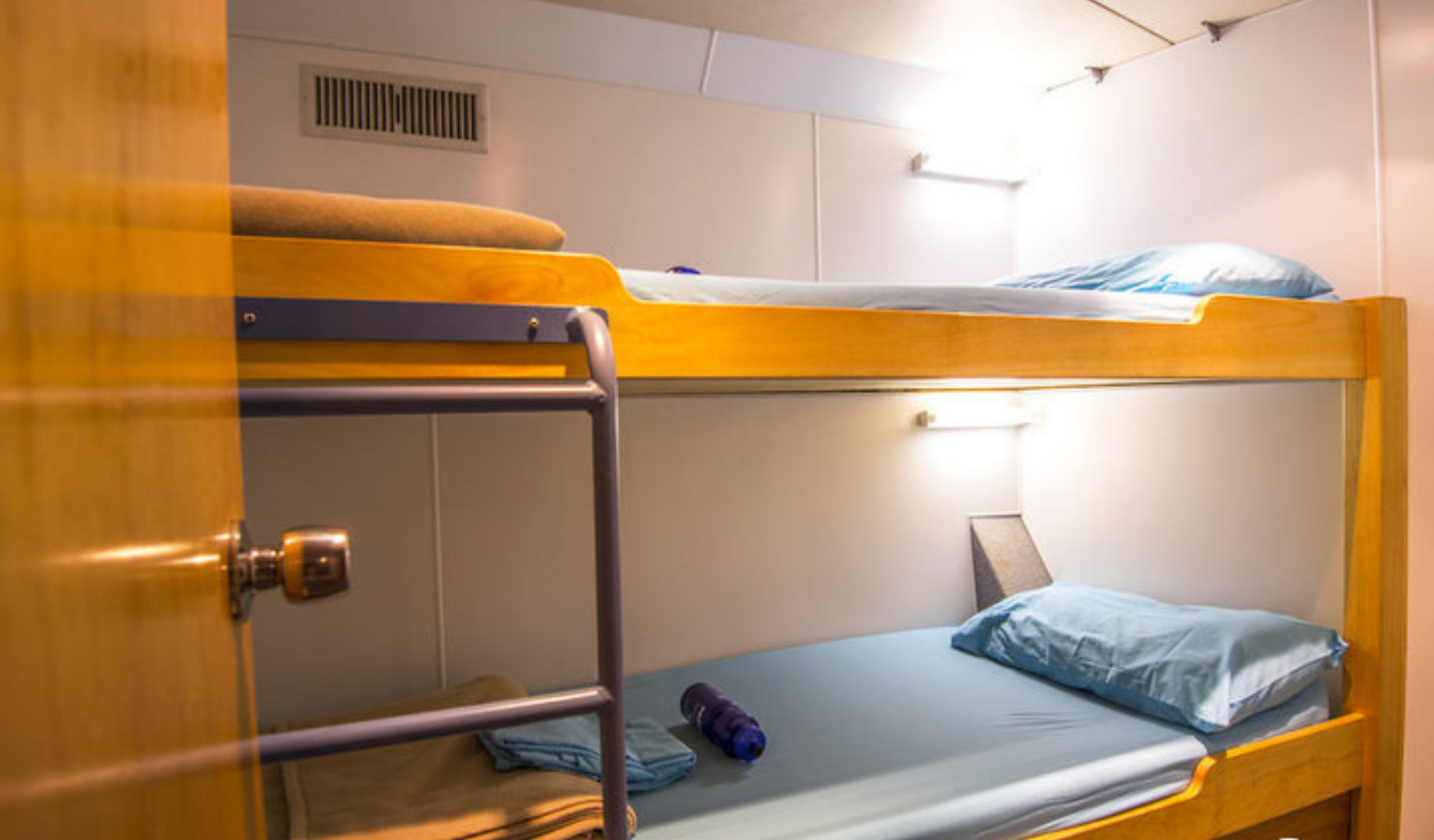
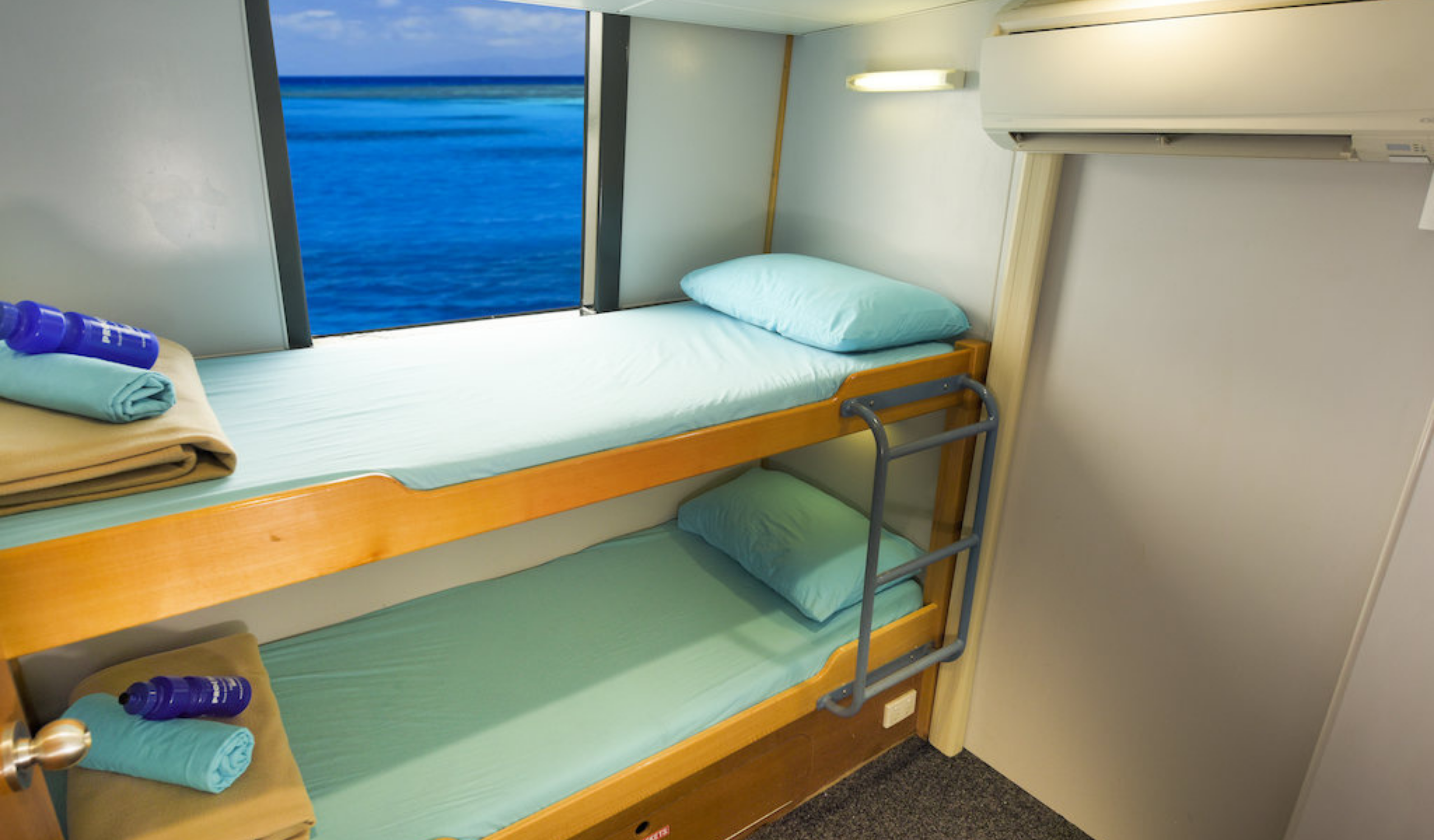
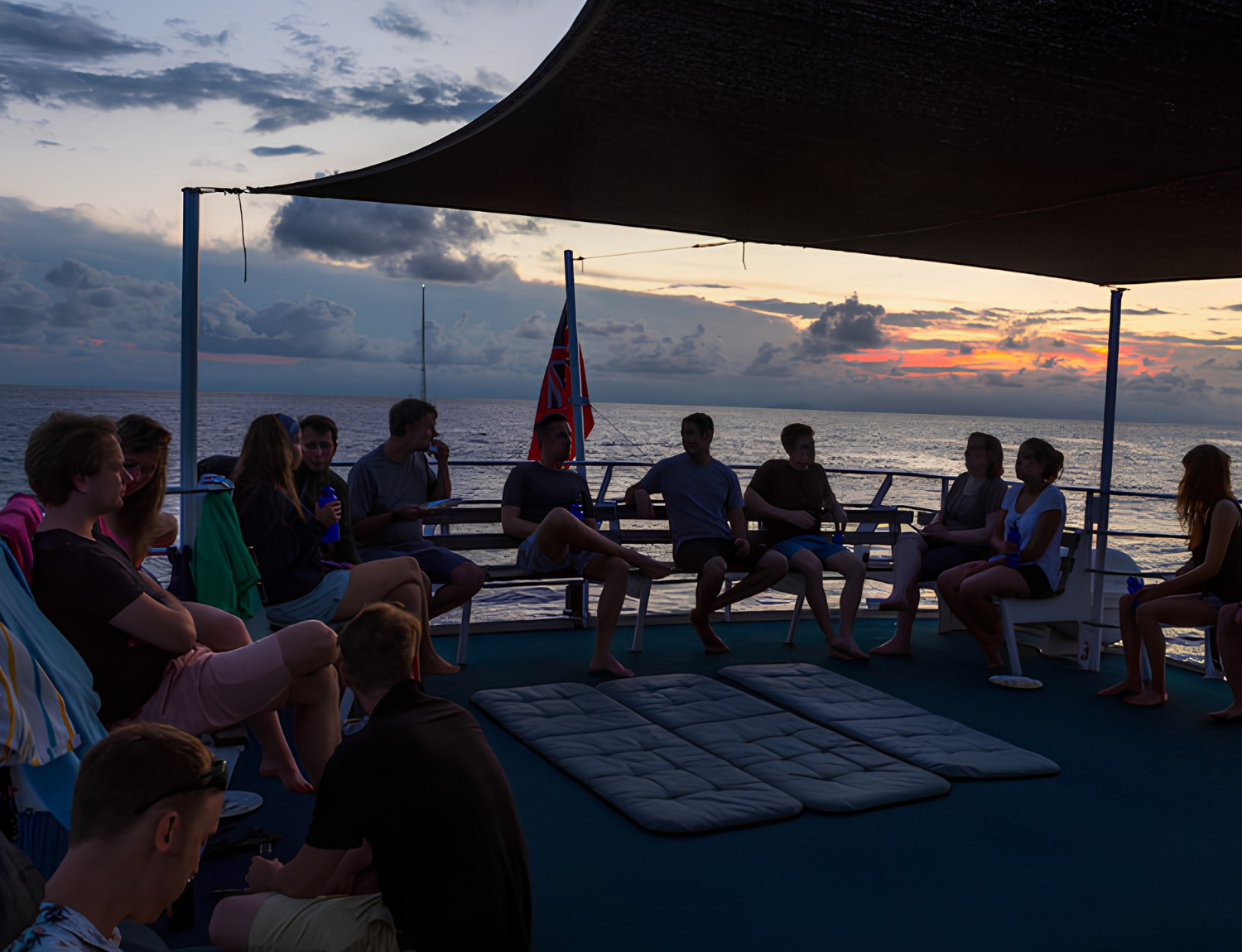
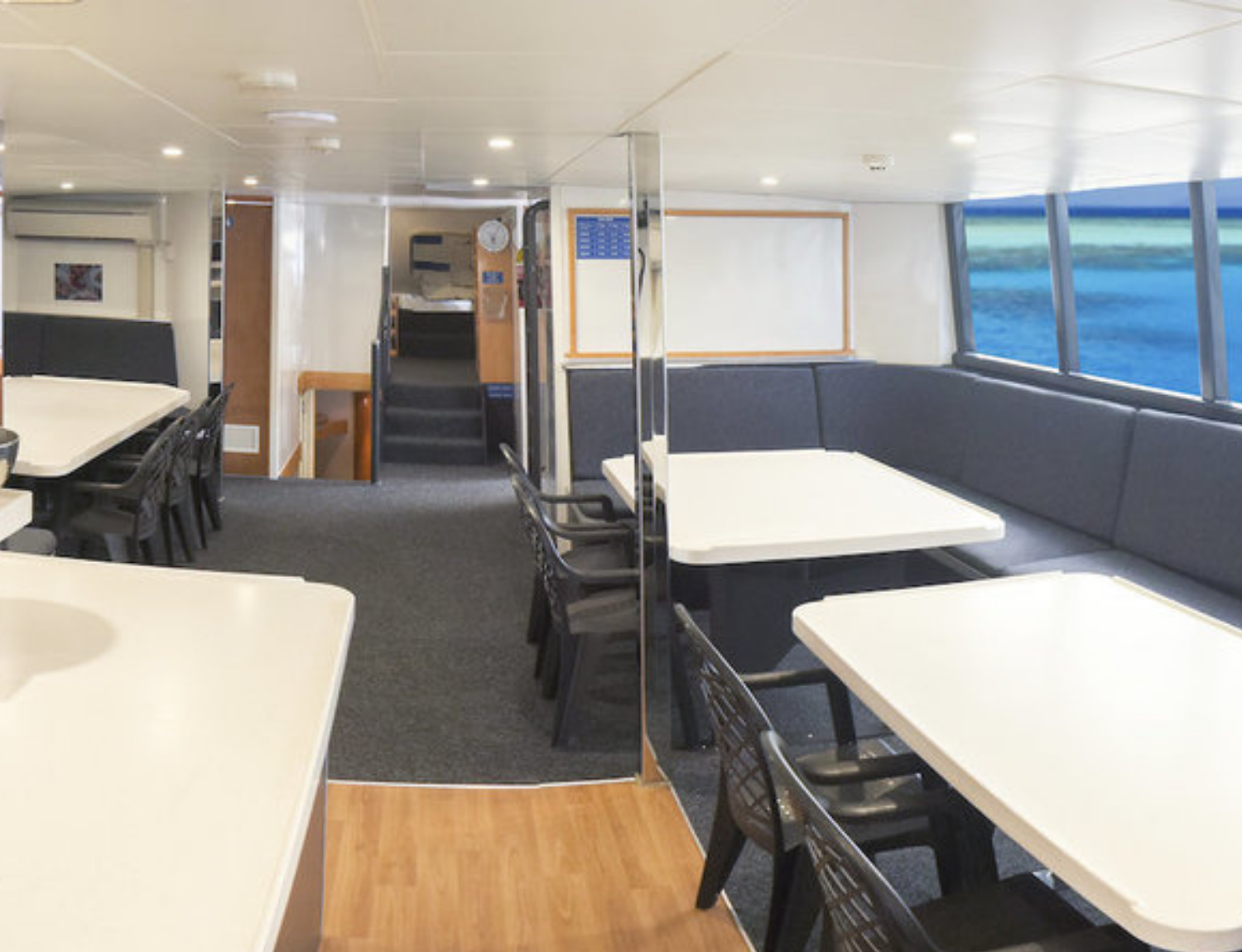
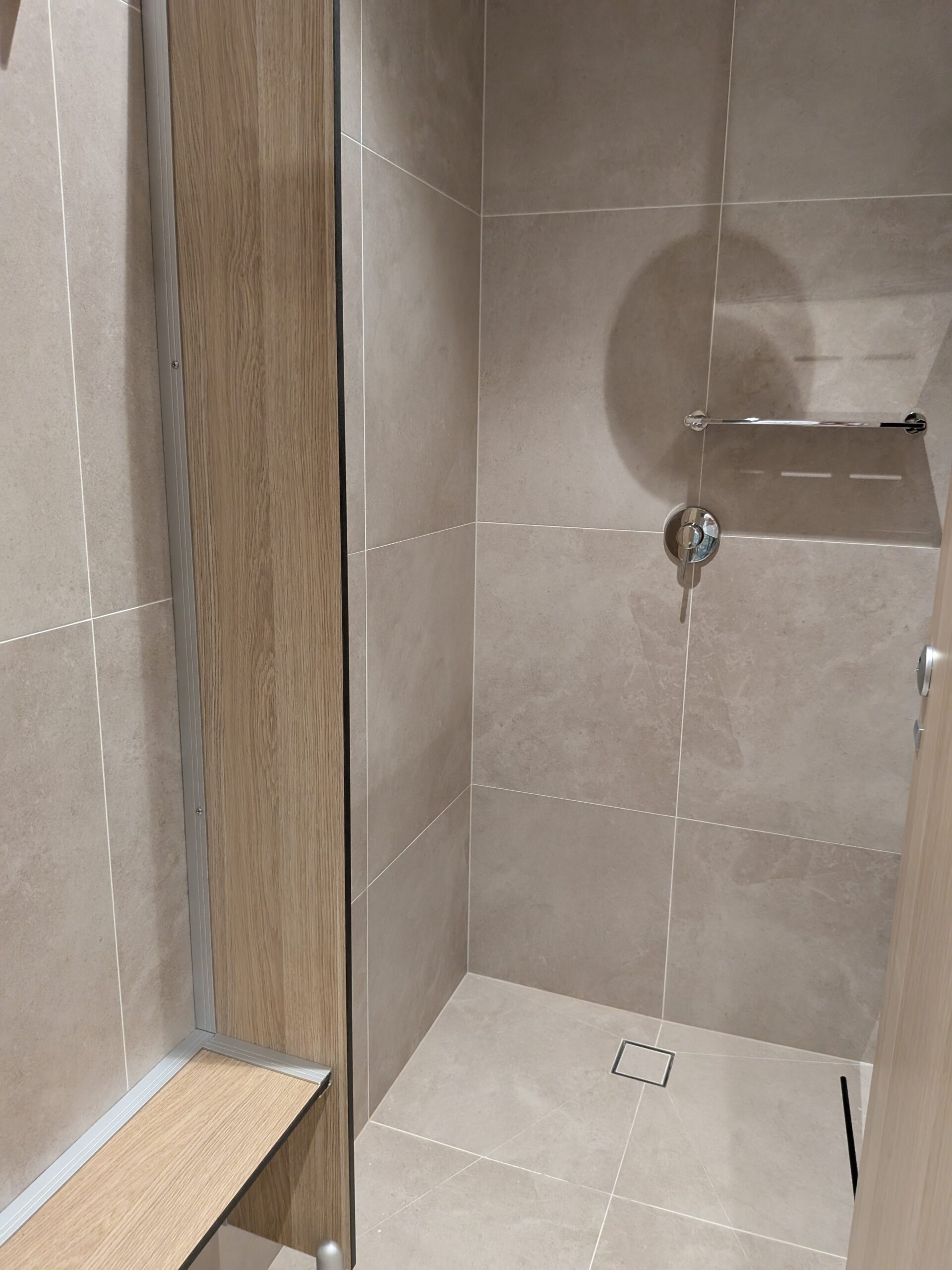
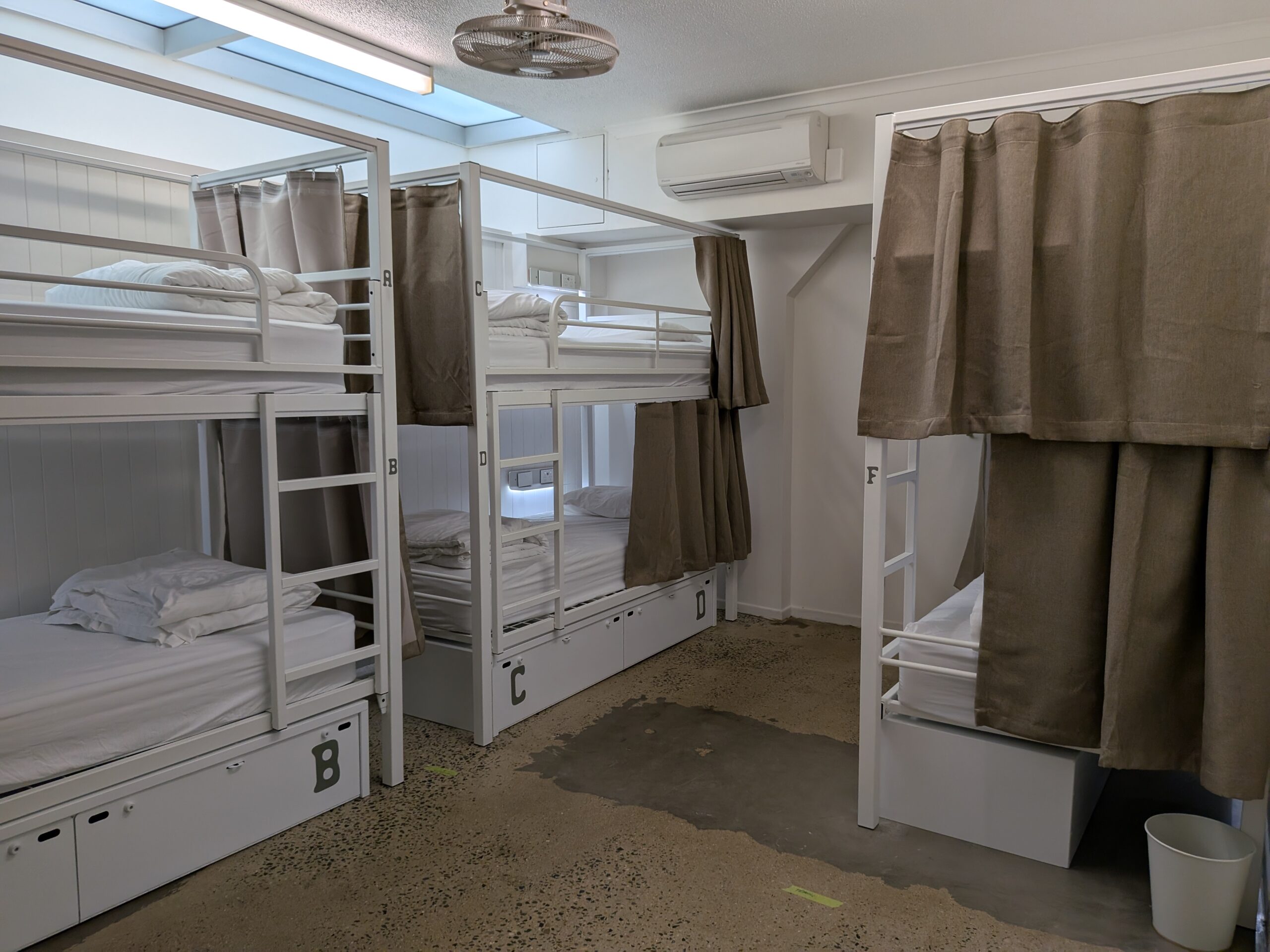
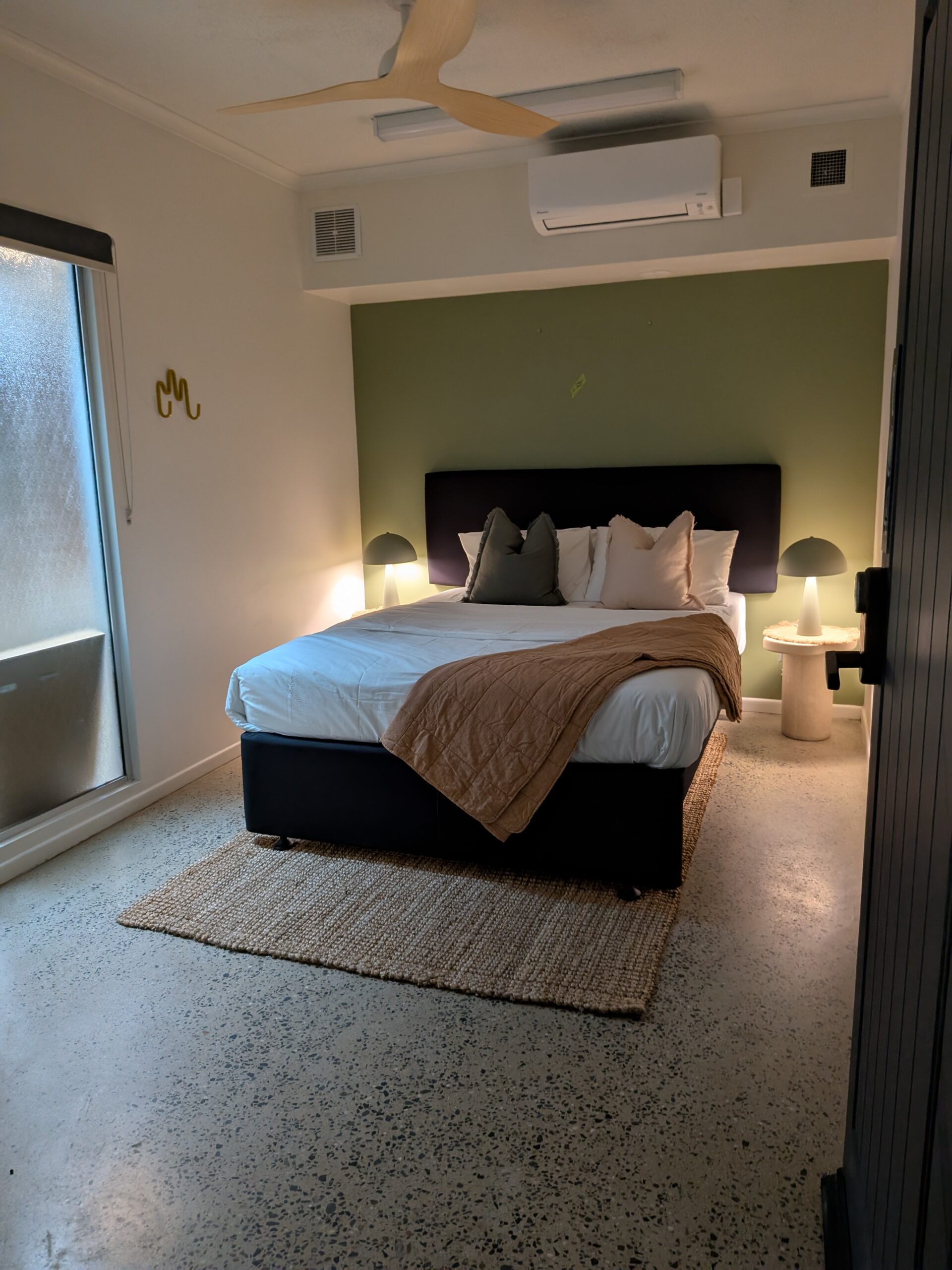
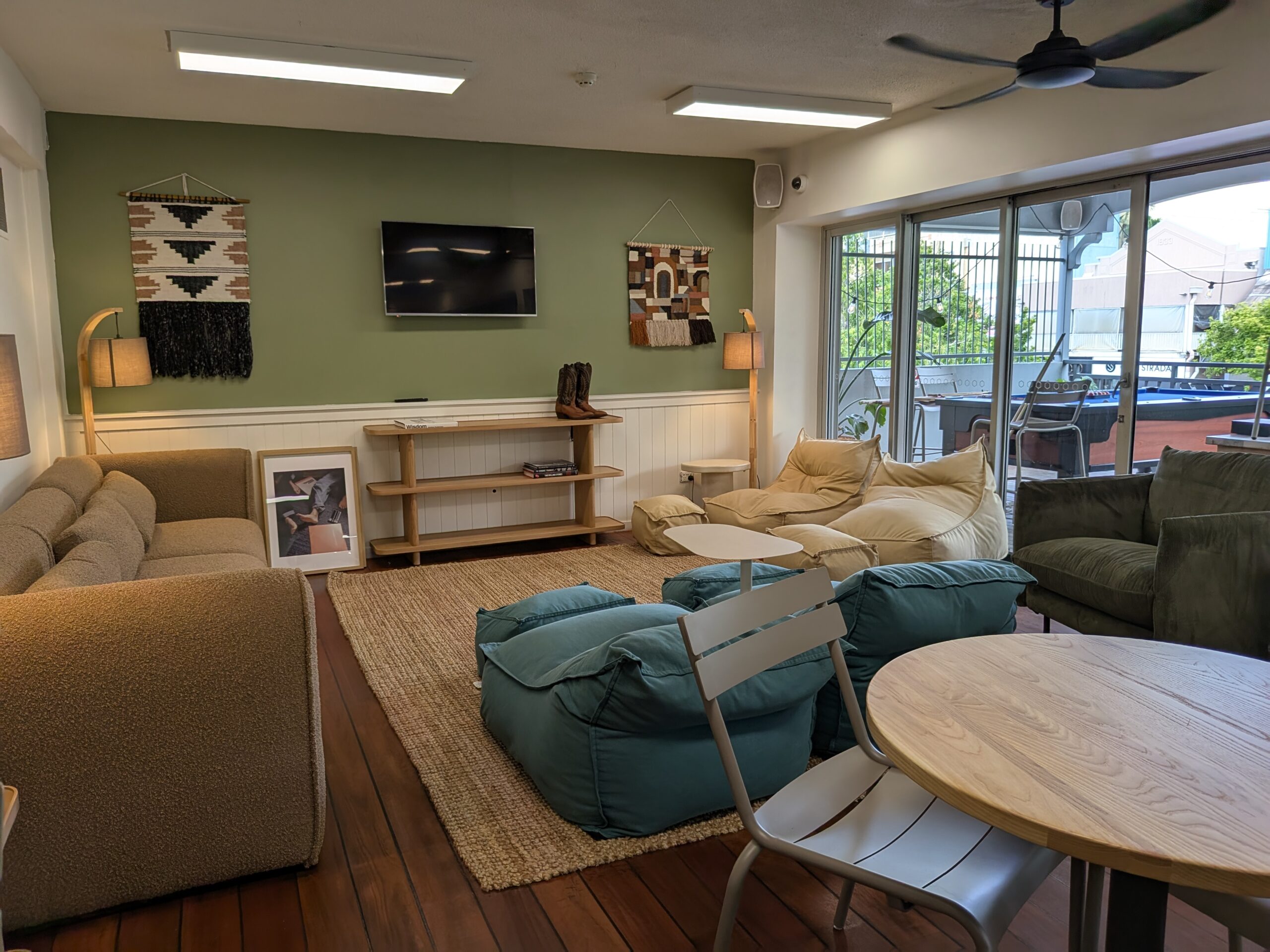
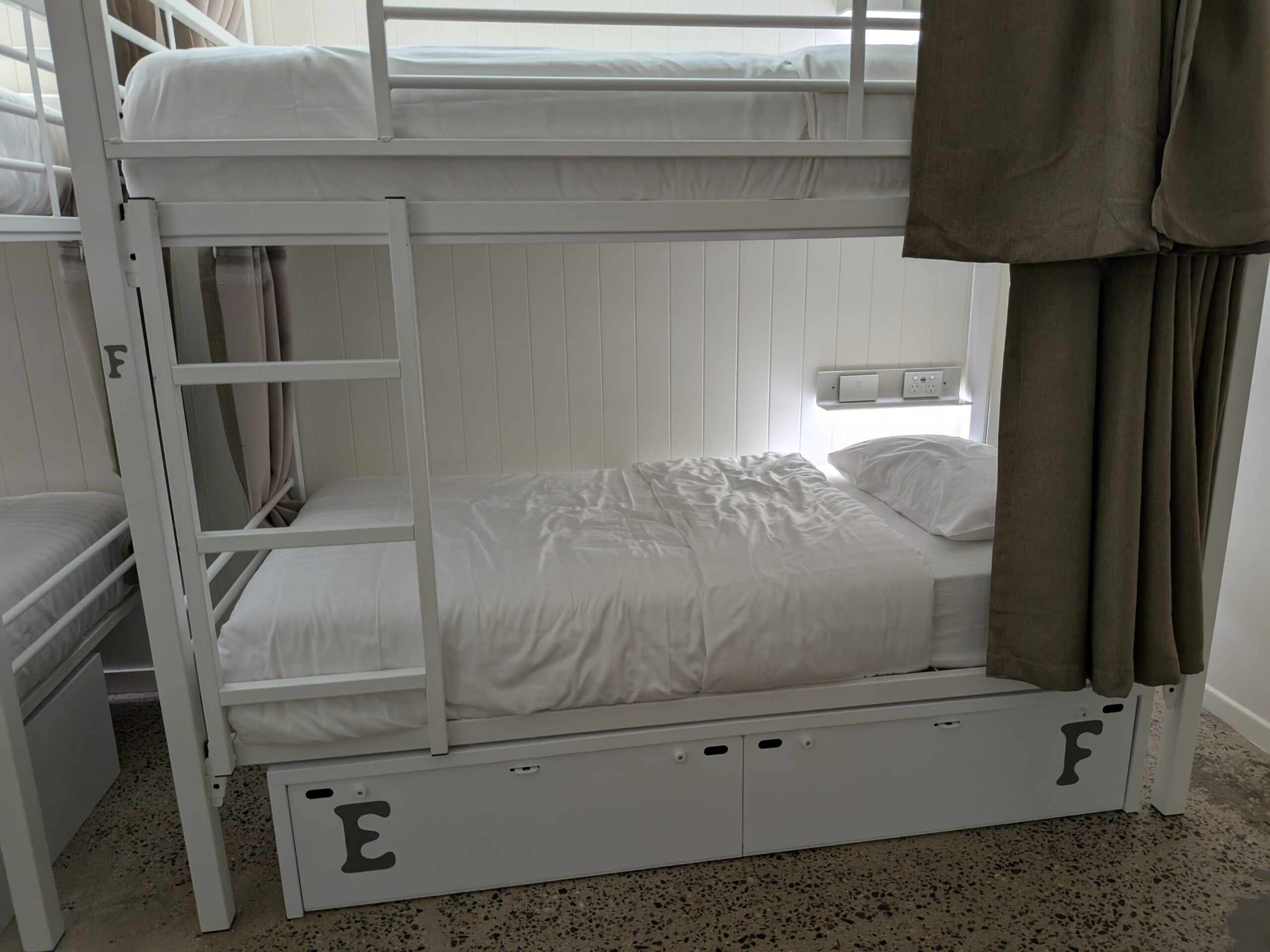
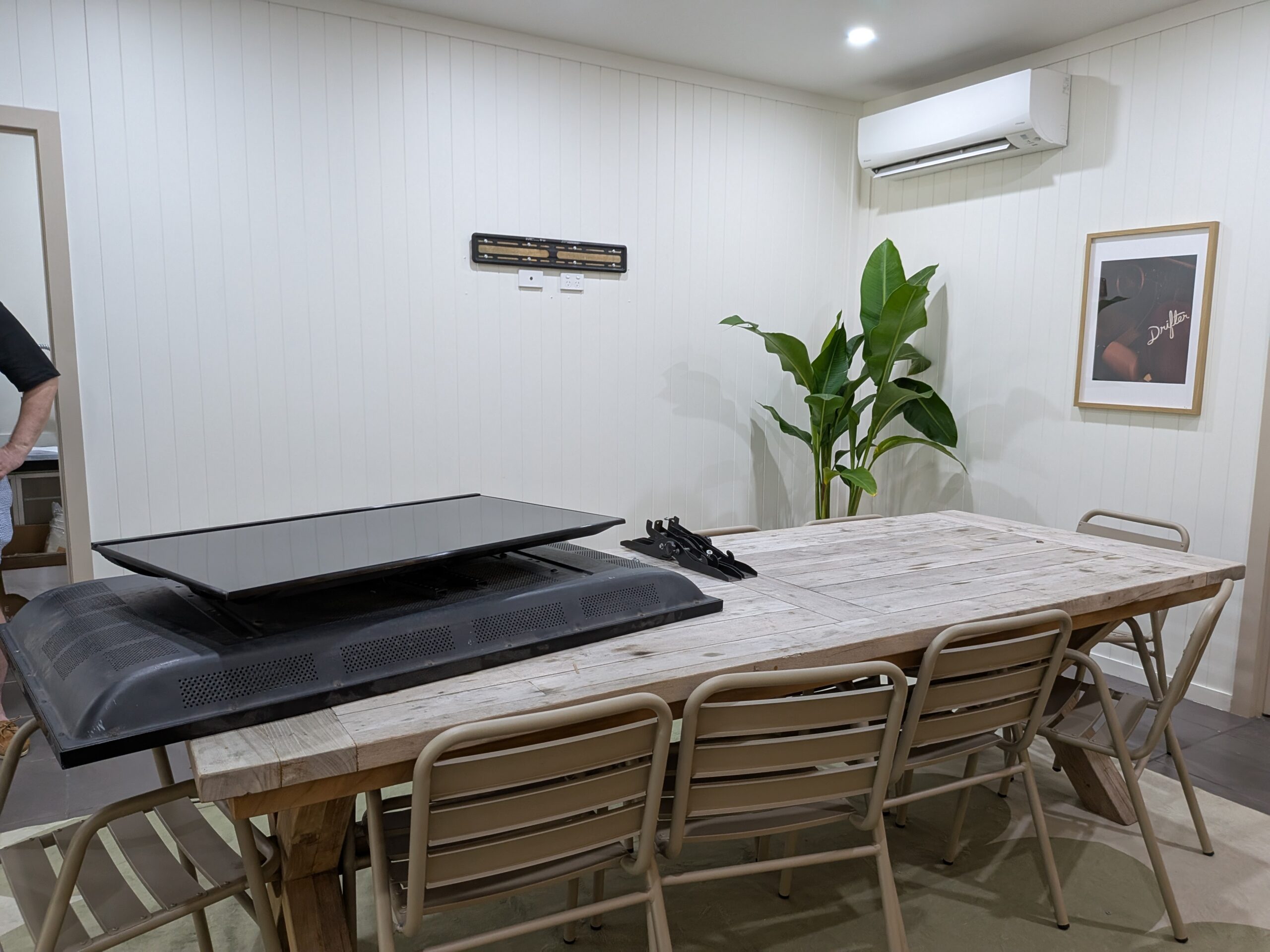
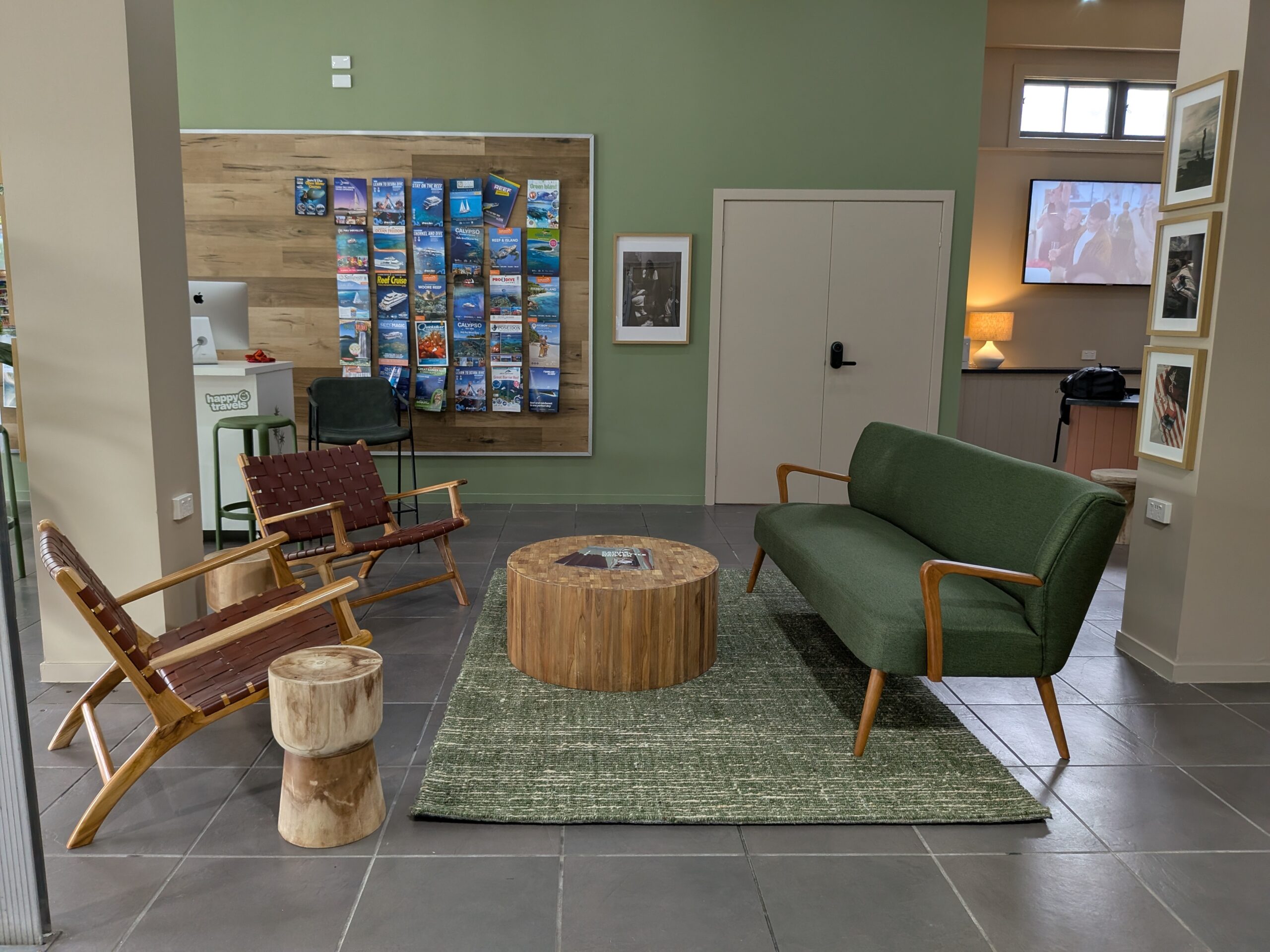
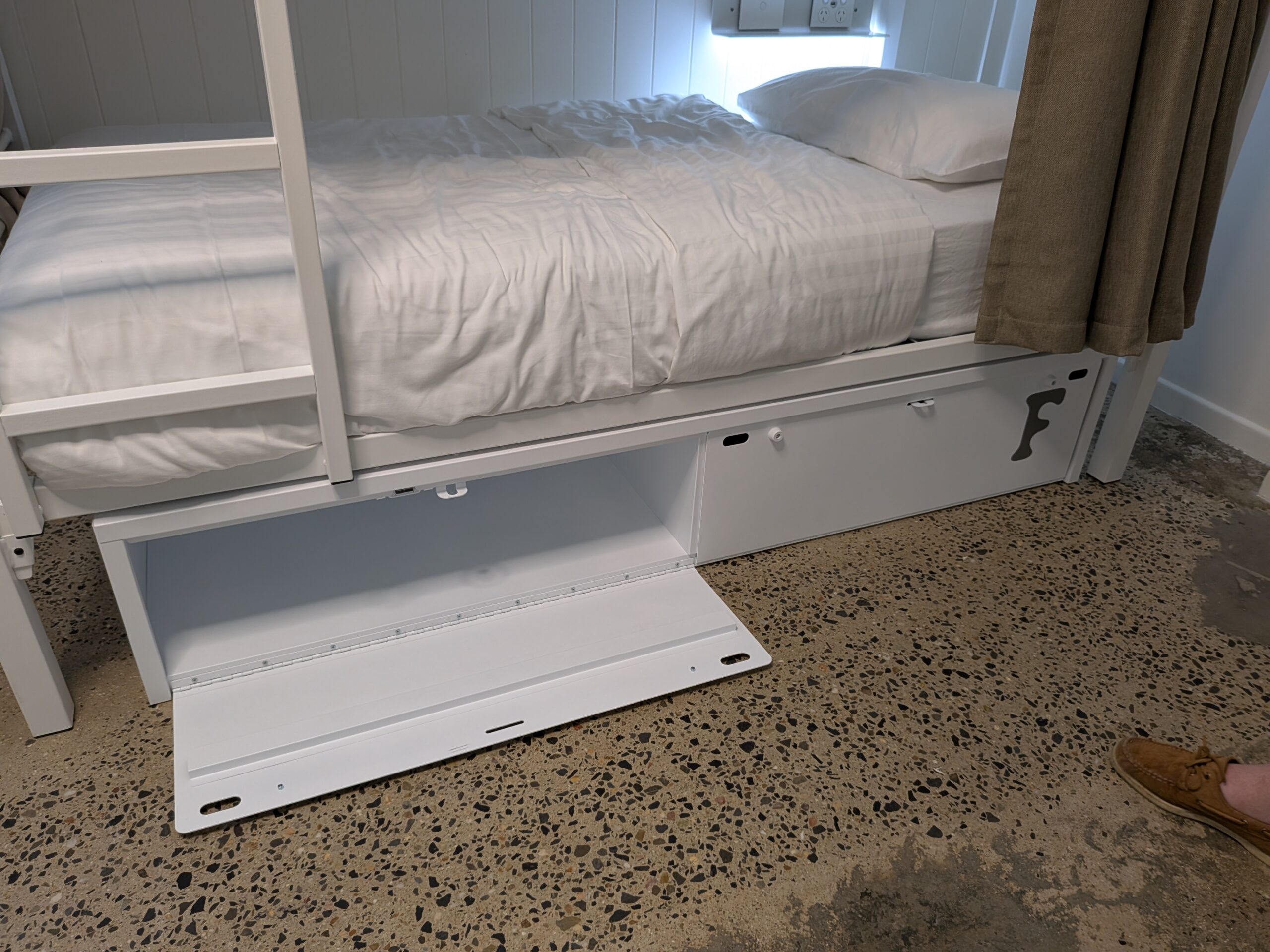
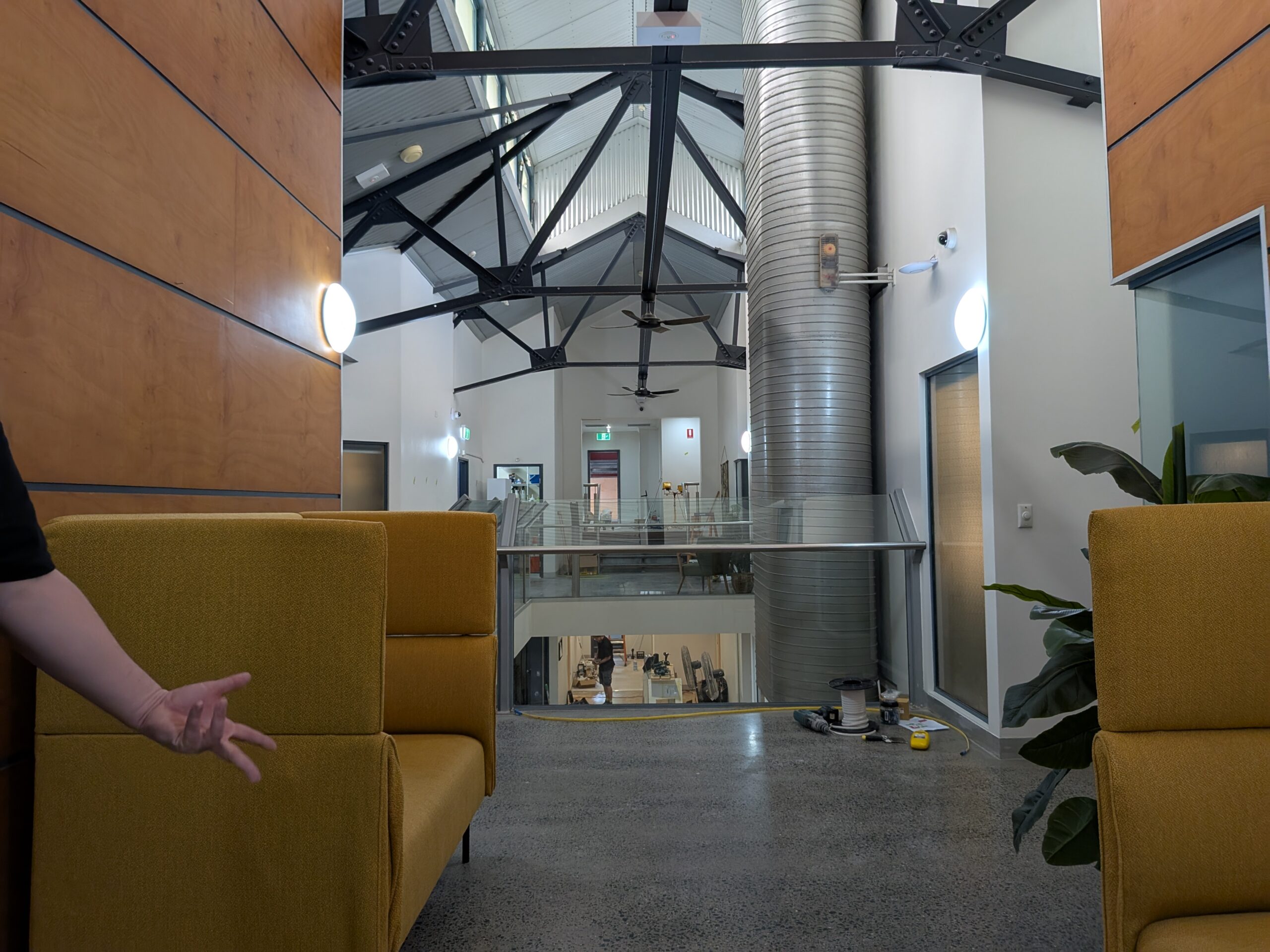
Accommodation is shared between a Cairns hostel and reef/liveaboard accommodation, depending on your selected package.

Cairns accommodation is usually shared dorm-style accommodation, with room upgrades available on request. Liveaboard accommodation is shared cabin or camp-style accommodation, depending on the reef component included in your package.

Meals vary depending on your selected package.

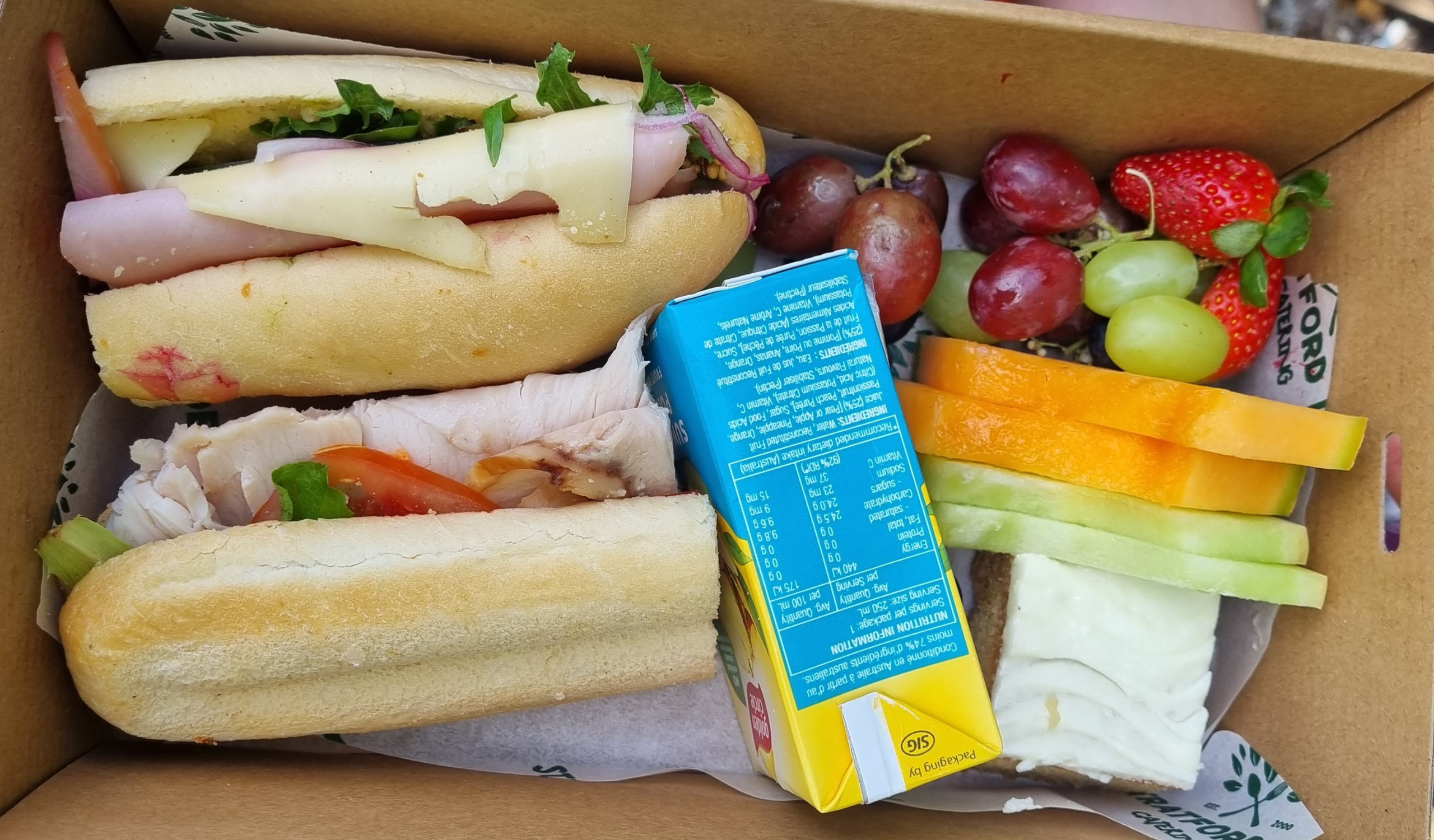
During the snorkelling-based research and conservation days, lunch is included only. Please budget for breakfasts, dinners, snacks and drinks.

During any liveaboard component, all meals are included while you are on board.

Meal inclusions may vary slightly depending on your package, schedule and operator requirements, so please check your booking details carefully.

Choose the option that matches your current experience and goals:

Open Water Dive Certificate
For volunteers who want to learn to SCUBA dive as part of their overall marine conservation program.

Advanced Open Water Dive Certificate
For certified Open Water divers who want to continue their dive training.

Rescue Diver Course
For Advanced Open Water divers with current CPR / First Aid certification who want to progress their dive skills.

Certified Diver Liveaboard
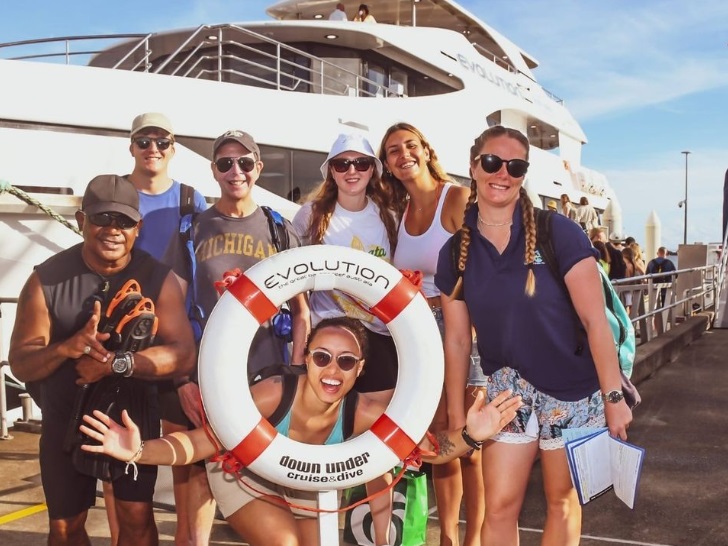
For certified divers who want a reef-based SCUBA liveaboard experience alongside the conservation program.

Liveaboard for Snorkellers
For confident snorkellers who want the reef experience without completing a dive course.

Extra Week of Research and Conservation
For volunteers who want more time supporting snorkelling-based reef monitoring and conservation activities.

What's Included

  • Pre-Departure Support
  • Project Info Booklet
  • Training & Orientation
  • O2E T-shirt
  • Field Equipment
  • Accommodation
  • Lunch and liveaboard meals
  • 24hr In-Country Support & 24hr Emergency Phone
  • Diving Courses & Certification
  • Multiple Dives
  • Day Trips
  • Certificate of Participation (if requested)

*Please note some items are not included in the project fees listed above, such as flights, visas, vaccinations, travel insurance, snacks, spending money, local transport, in-country tours and return airport transfer (unless mentioned above). Please note that prices are subject to change without notice. Please ensure you have read the O2E Volunteers Terms and Conditions.

Accommodation

Accommodation
Accommodation
Accommodation
Accommodation
Accommodation
Accommodation
Accommodation
Accommodation
Accommodation
Accommodation
Accommodation
Accommodation
Accommodation
Accommodation
Accommodation
Accommodation
Accommodation
Accommodation
Accommodation
Accommodation

How Your Contribution Creates Impact

1
Conservation Delivery 58%

Conservation Delivery 58%

Field-based reef activities, dive operations, boats, conservation gear, and marine logistics.

2
Accommodation 10%

Accommodation 10%

Safe, eco-conscious lodging for your stay.

3
Catering 3%

Catering 3%

Fresh, locally sourced meals.

4
Program Coordination 5%

Program Coordination 5%

Team members supporting volunteer onboarding, enquiries, mergency response, ethically and safely.

5
Governance & Compliance 14%

Governance & Compliance 14%

All taxes, compliance fees, and bank payment handling costs.

6
Donation 11%

Donation 11%

Future Impact Fund – Long-term support for marine restoration and ethical conservation initiatives, including non-invasive wild turtle population studies.

Jana A

Jana A

Germany

I don’t want to be a typical tourist. I wanted to leave a mark and help do something good and important. We have to do something to protect the ocean and the sea animals. It was an honor to work with such a lovely team. There are so many amazing moments that I can talk about.

wpChatIcon
wpChatIcon