
Listen to The Volunteer Traveler series one now

Northern Thailand Elephant Sanctuary

Northern Thailand Elephant Sanctuary

Live alongside rescued elephants in Northern Thailand

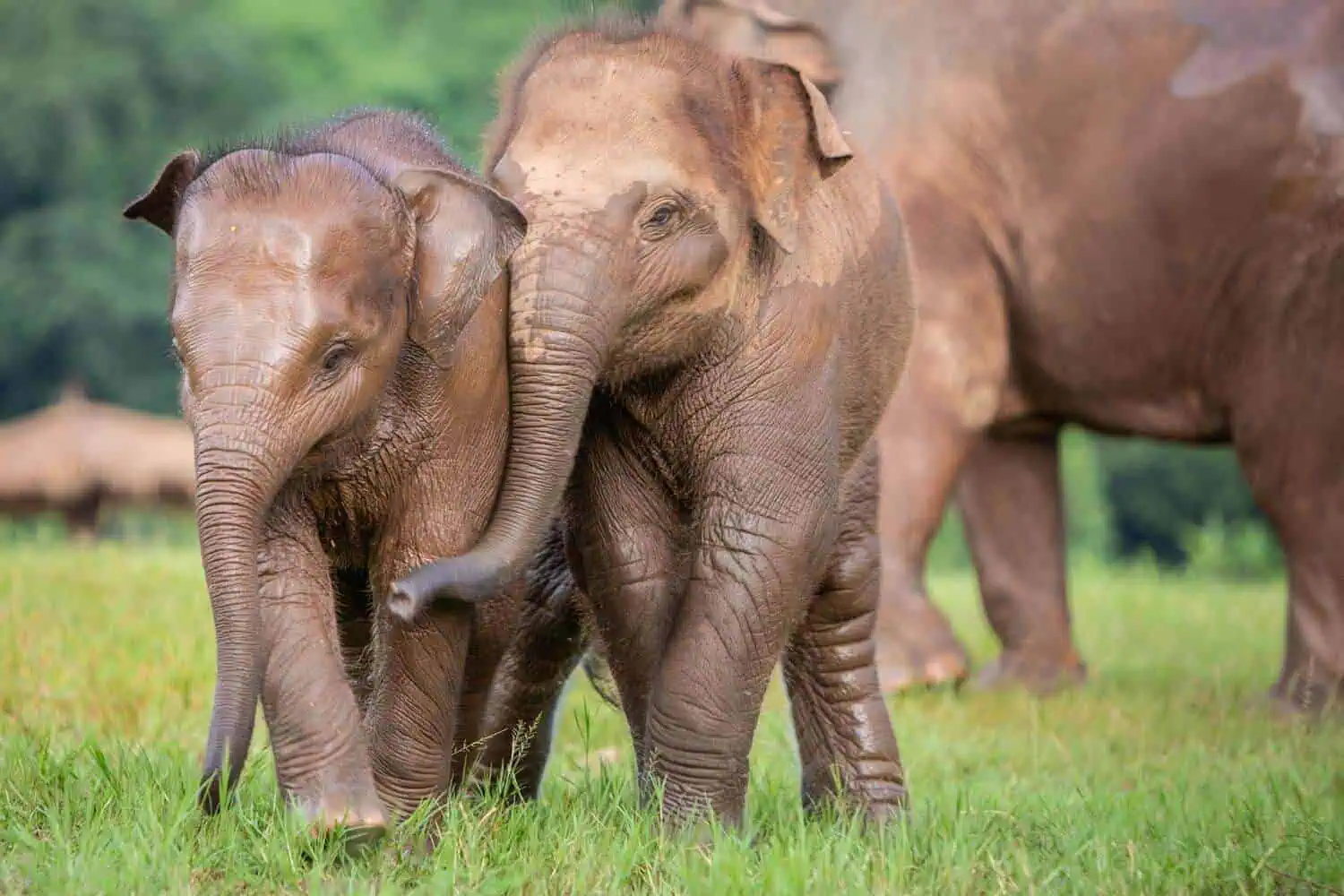
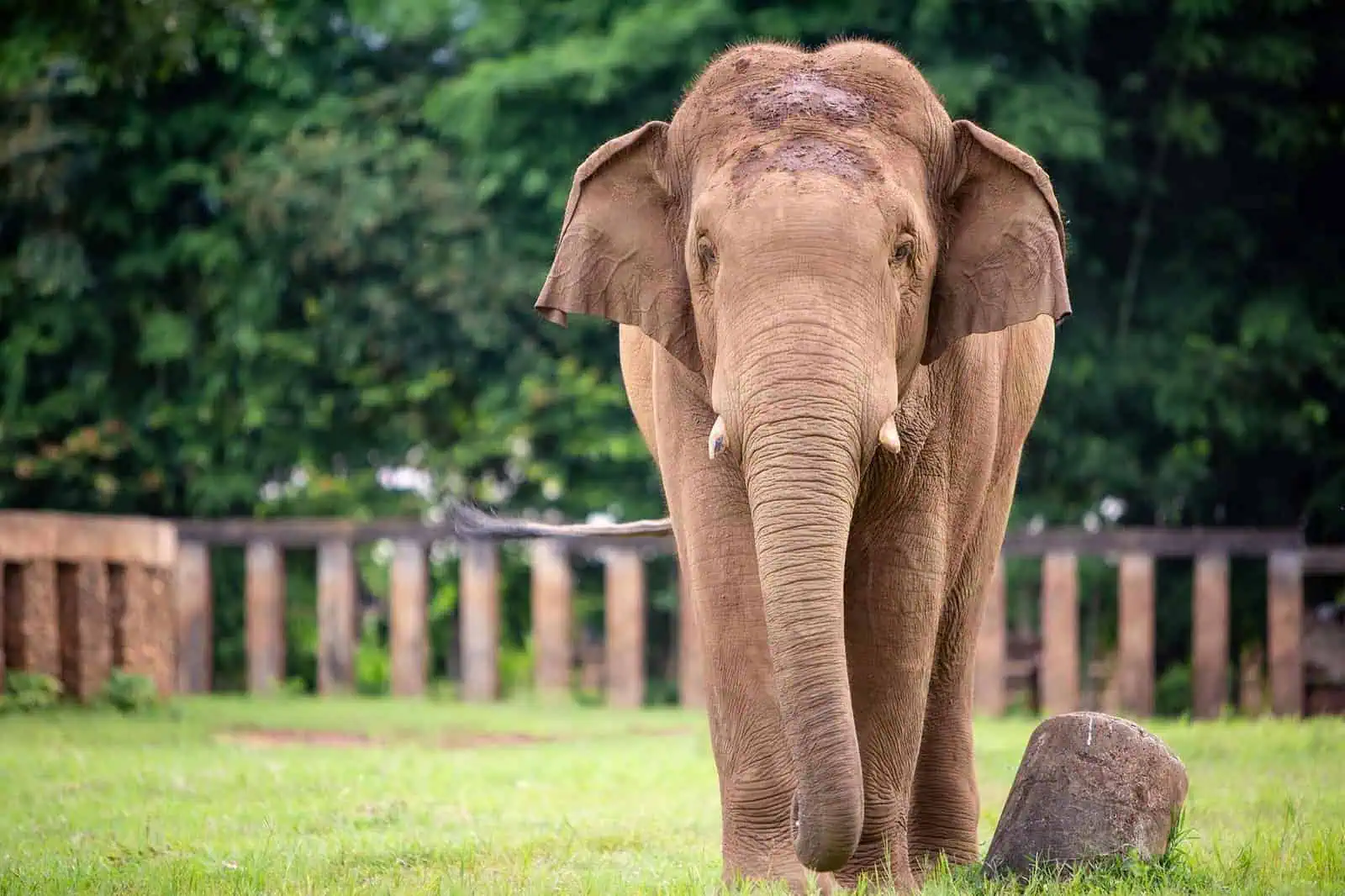
Northern Thailand Elephant Sanctuary gives volunteers the opportunity to support rescued elephants at a respected sanctuary in Chiang Mai province. This program is designed for people who want to learn about ethical elephant care while helping with practical daily tasks such as preparing food, cleaning shelters, maintaining mud pits and observing elephants as they socialise, bathe, wander and live with greater freedom. It is not an elephant riding or entertainment experience — it is a chance to support a sanctuary that cares for elephants who have experienced mistreatment, disability, injury, old age, orphaning or unsuitable working conditions.

Live alongside rescued elephants in Northern Thailand

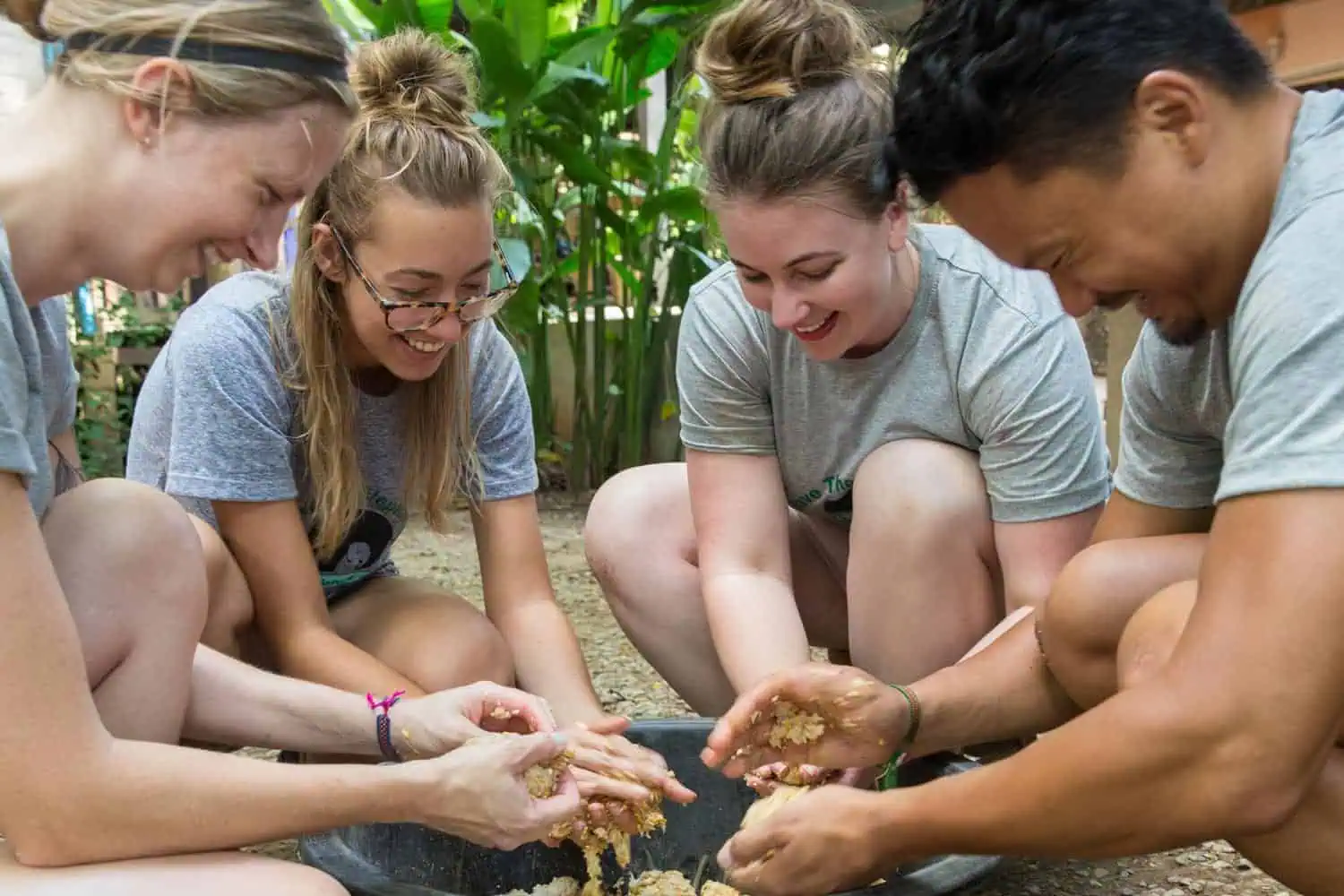
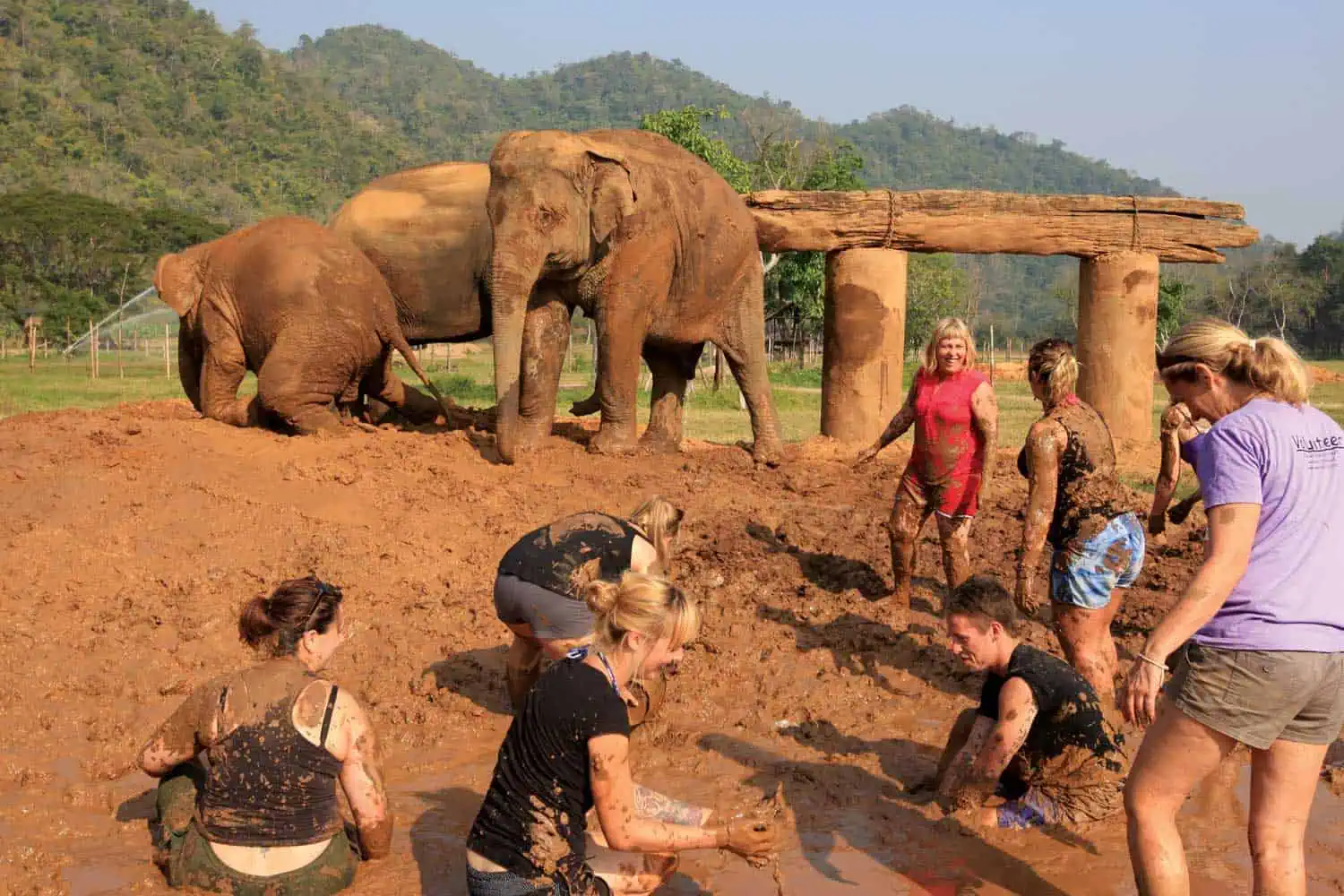
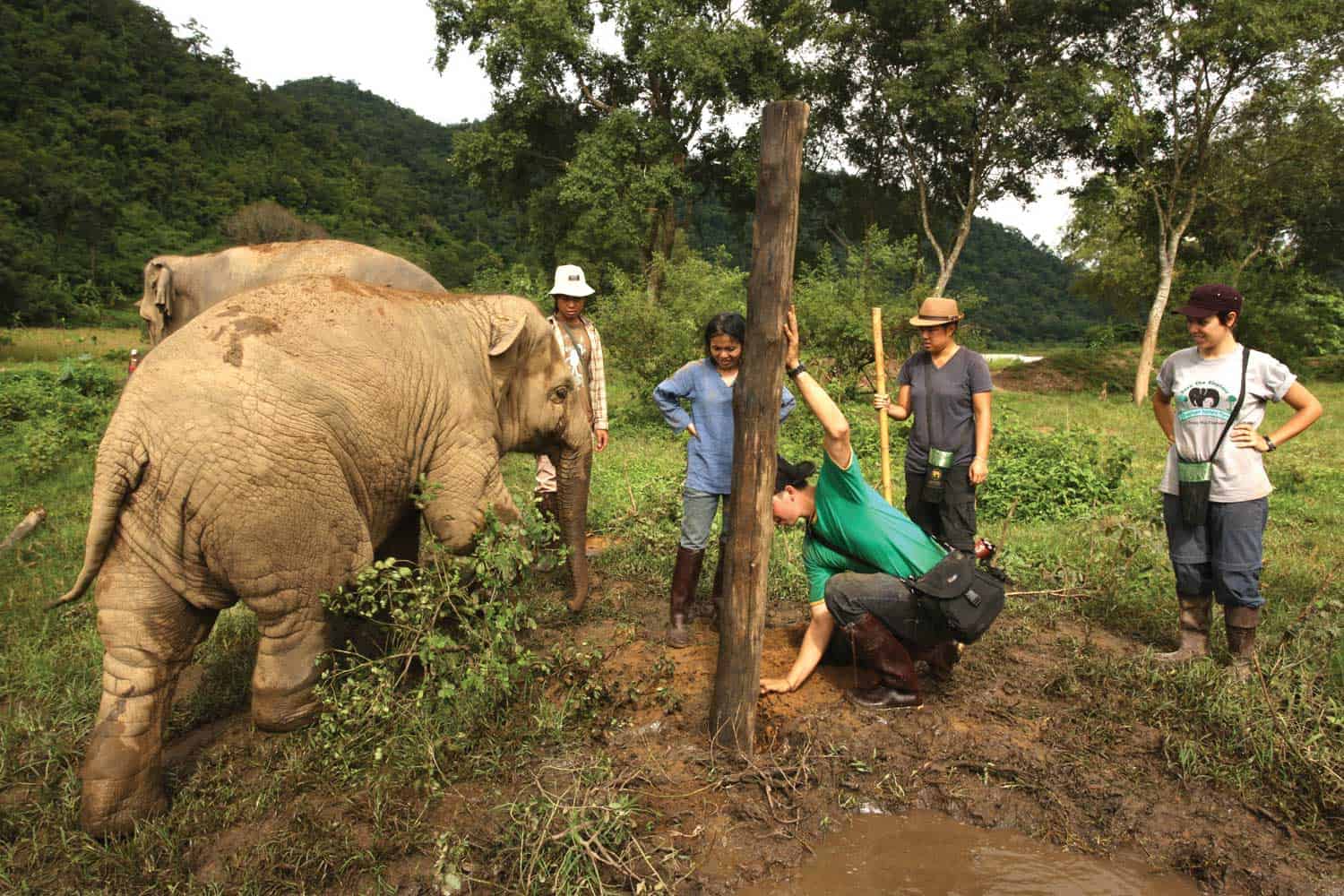
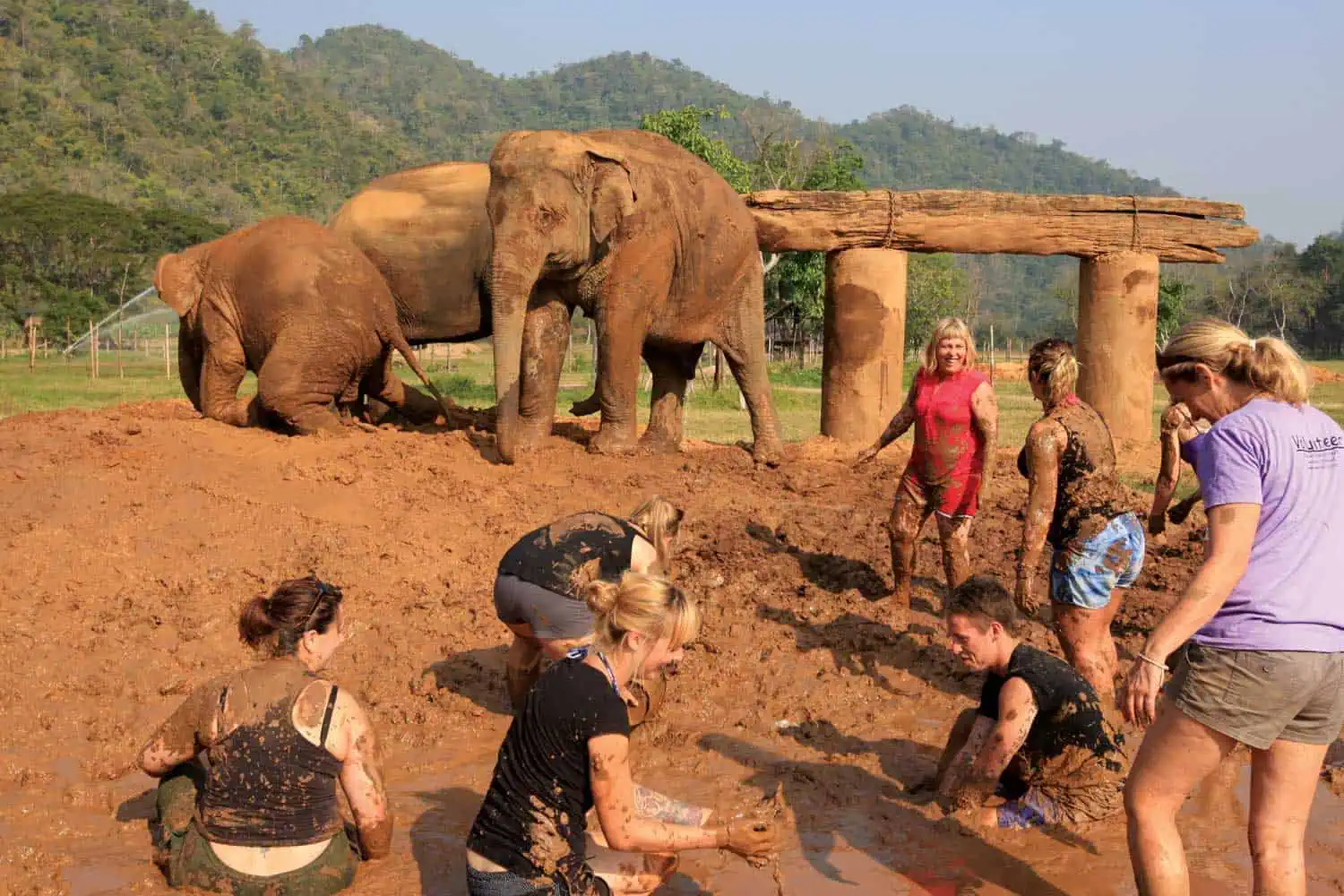
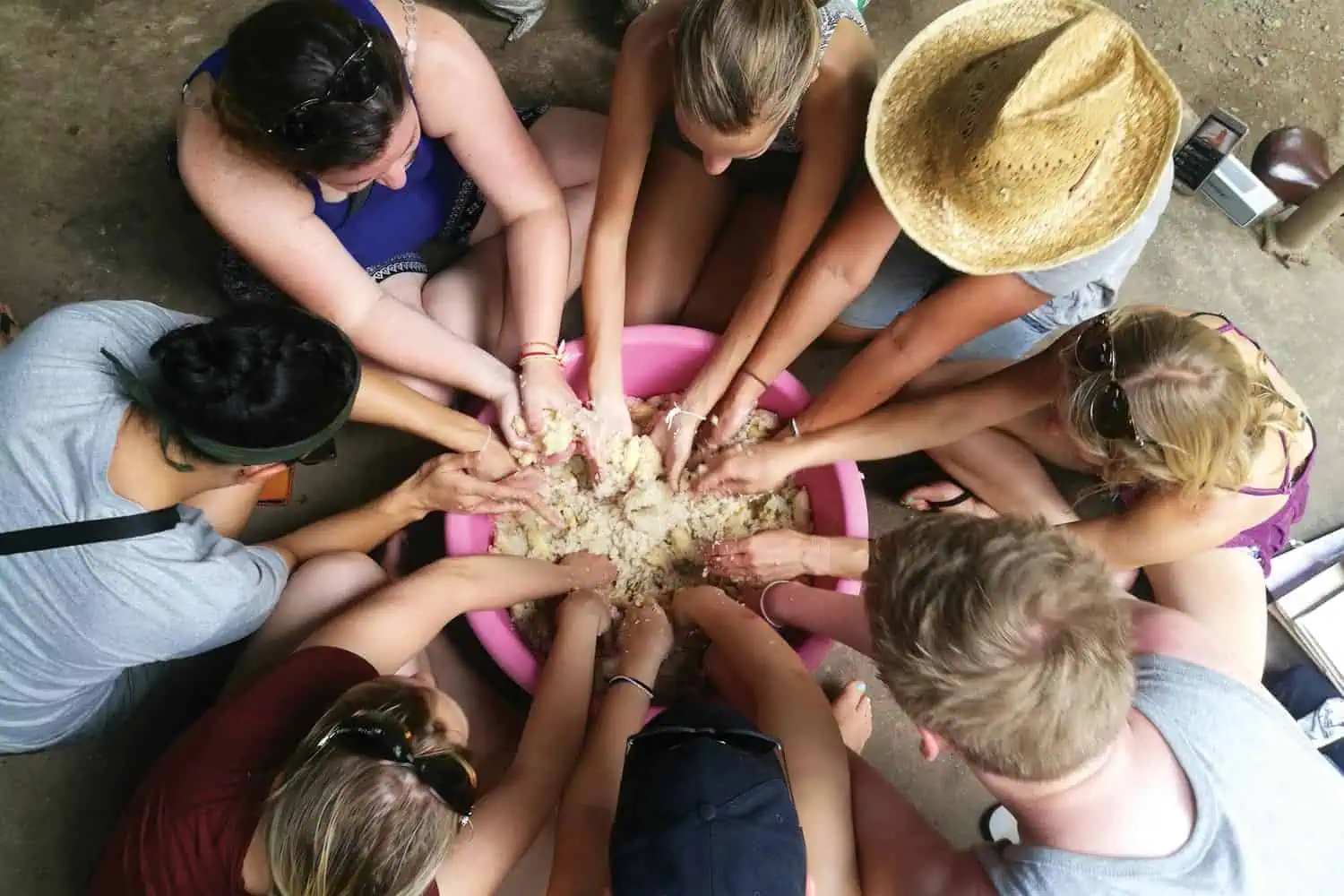
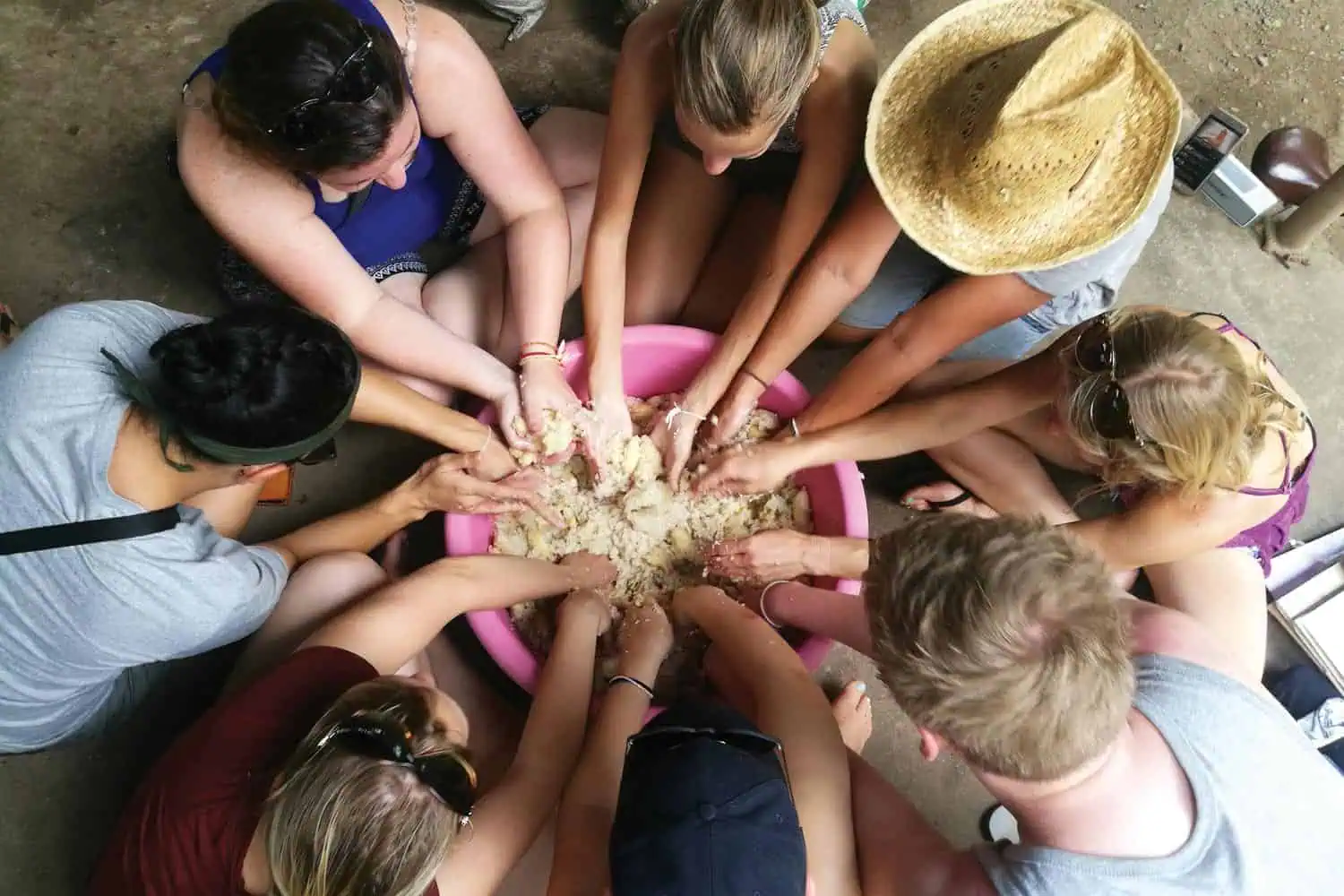
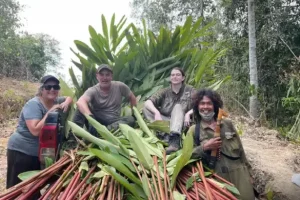
As a volunteer, you’ll support the daily care and wellbeing of rescued Asian elephants at Elephant Nature Park. Your contribution may include preparing and cleaning food, helping with feeding routines, cleaning elephant night shelters, maintaining mud pits, assisting with practical park projects and learning about the challenges facing elephant conservation in Thailand.

Your role is to support the sanctuary team and contribute to a respectful care environment where elephants are observed, protected and allowed to express more natural behaviours.

The sanctuary also has a strong focus on education, with guided public visits helping people understand the realities facing elephants in Thailand. These tours provide important income that supports daily operations, food, veterinary care, staff and long-term sanctuary work, allowing the centre to continue caring for rescued elephants responsibly.
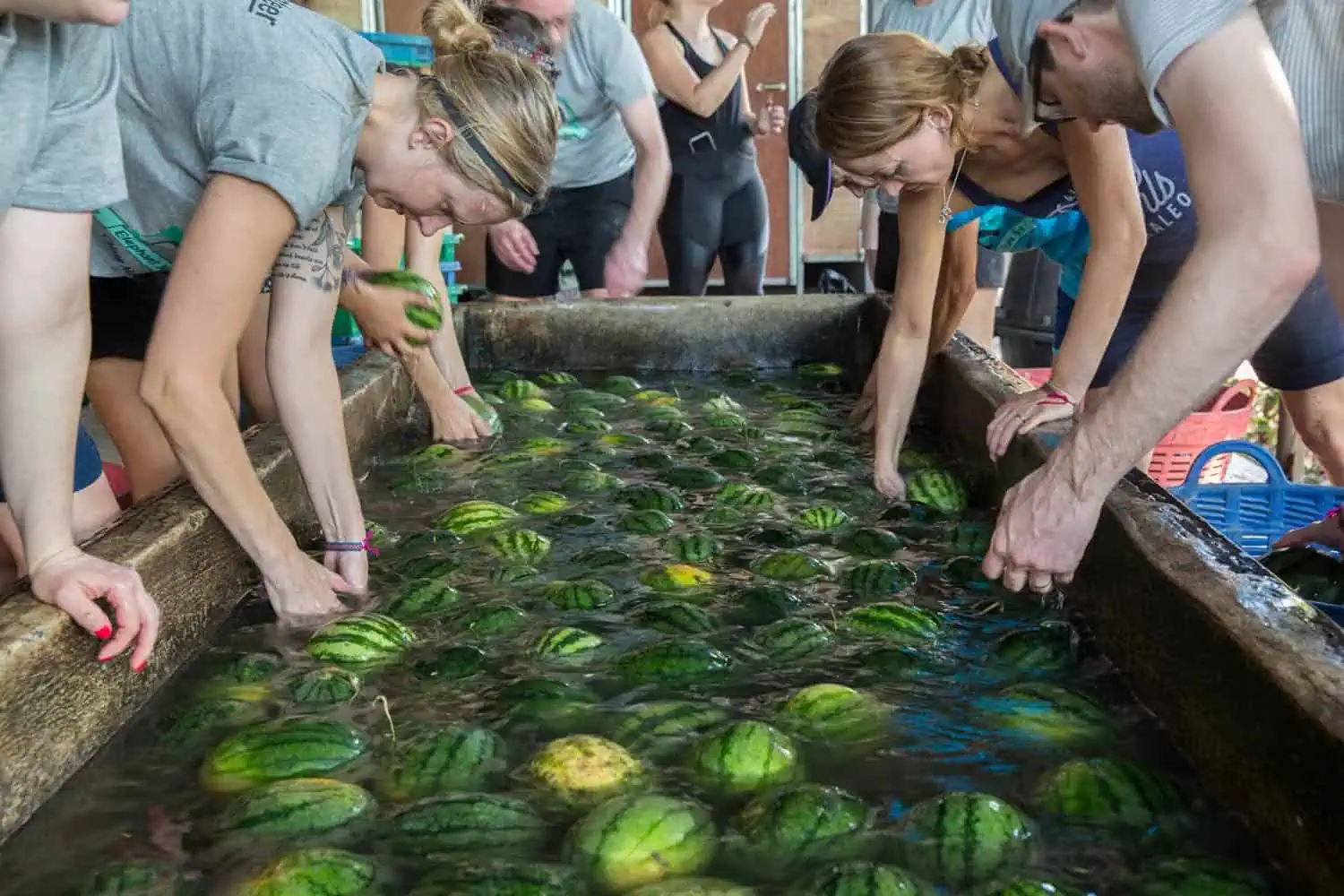
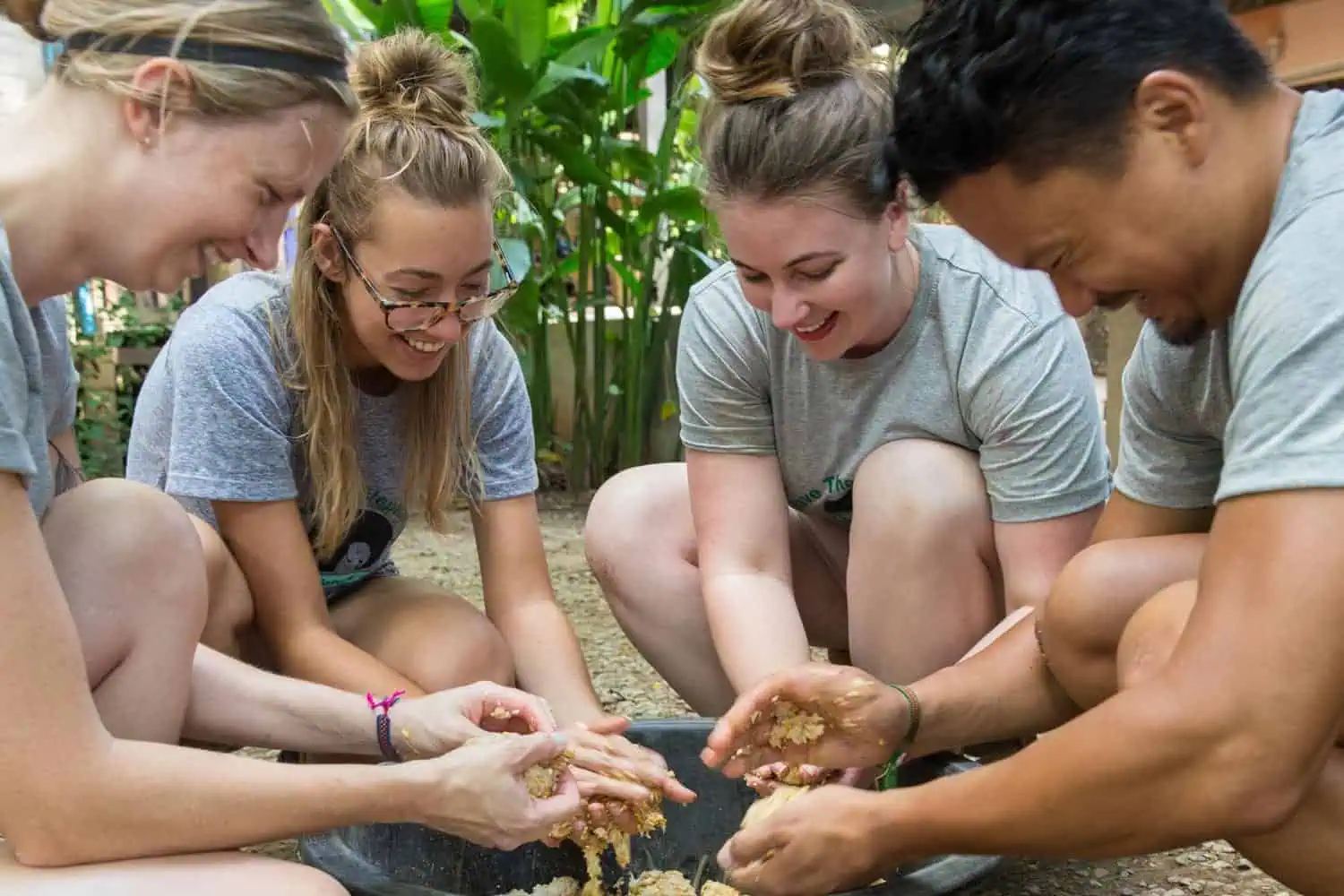
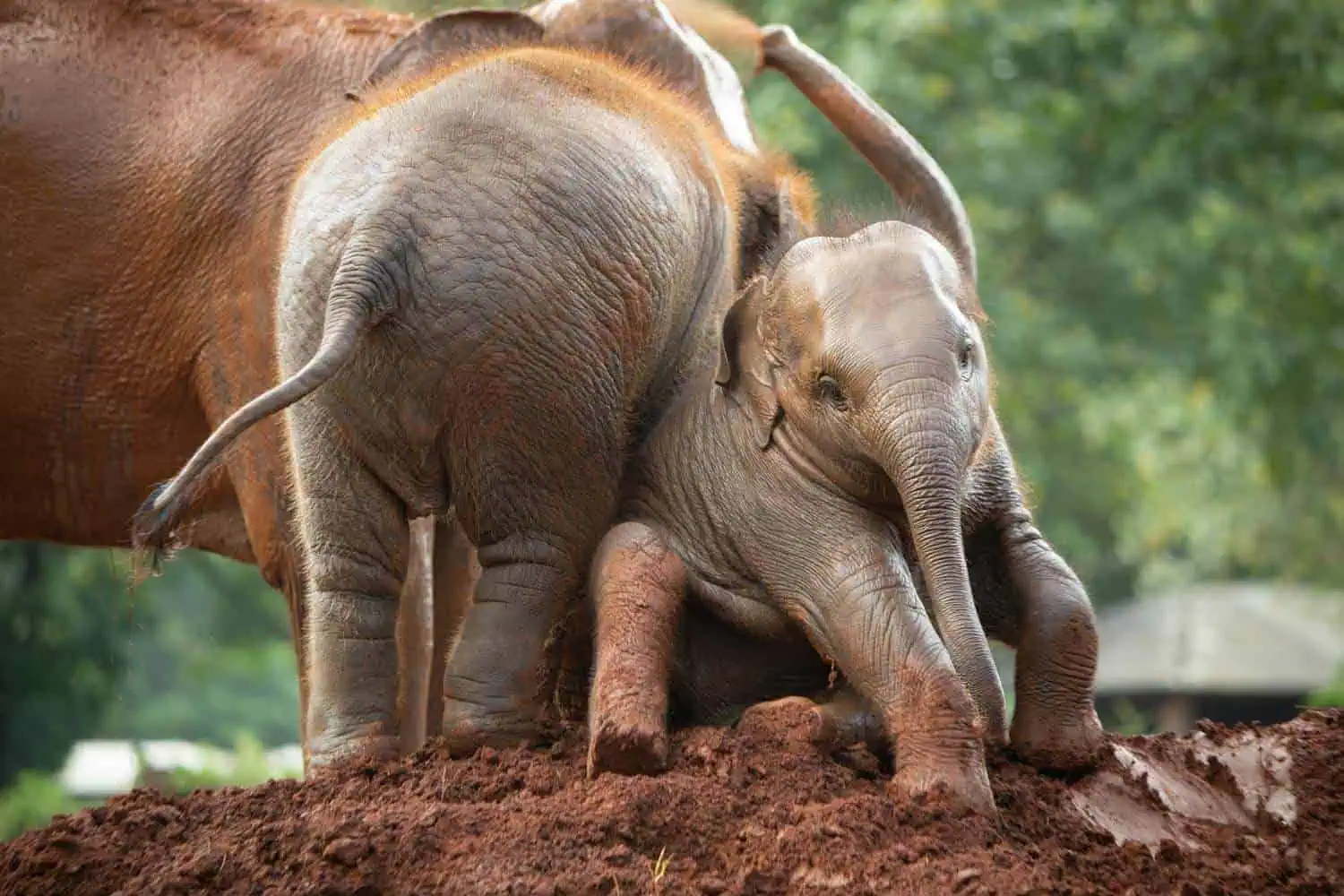
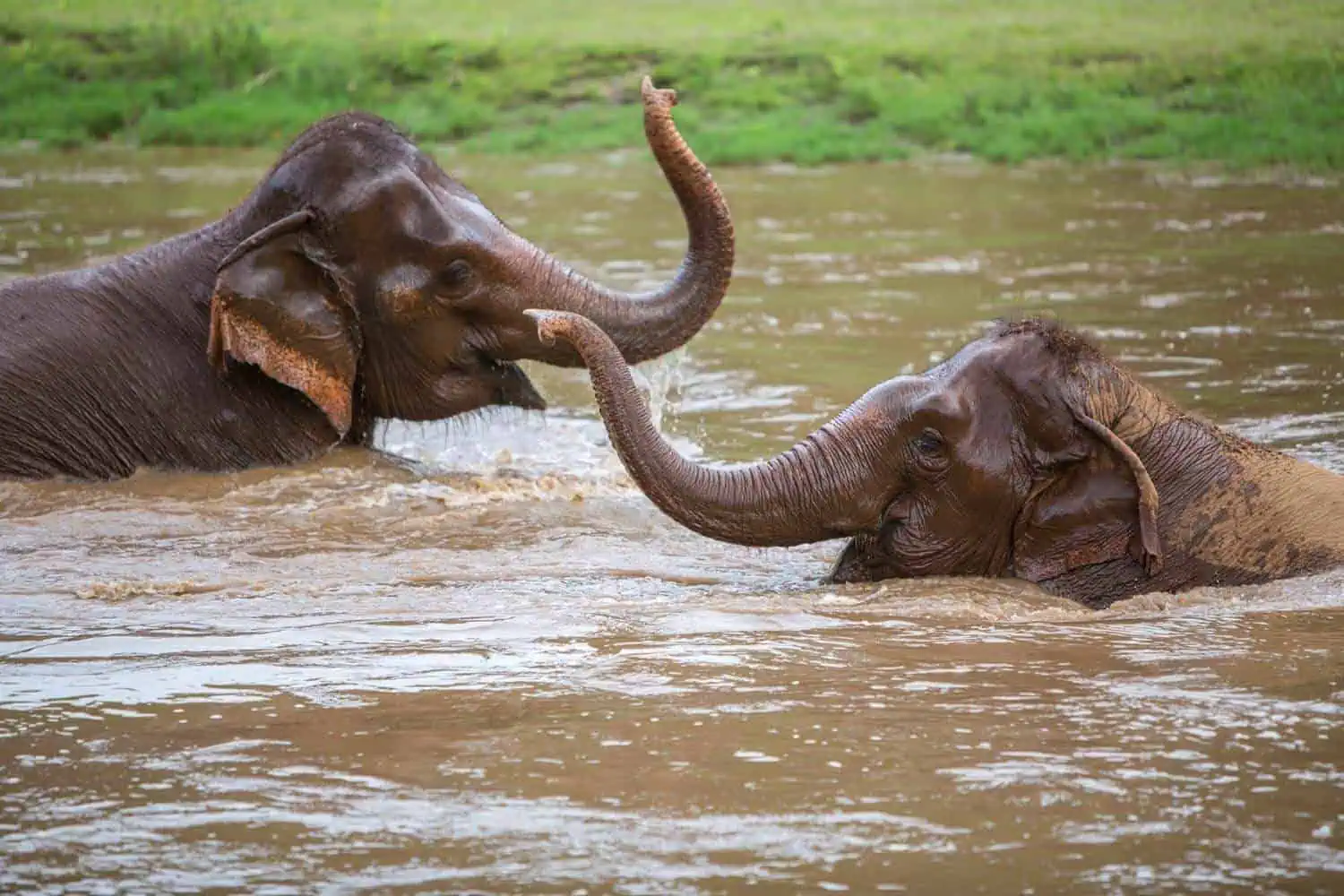
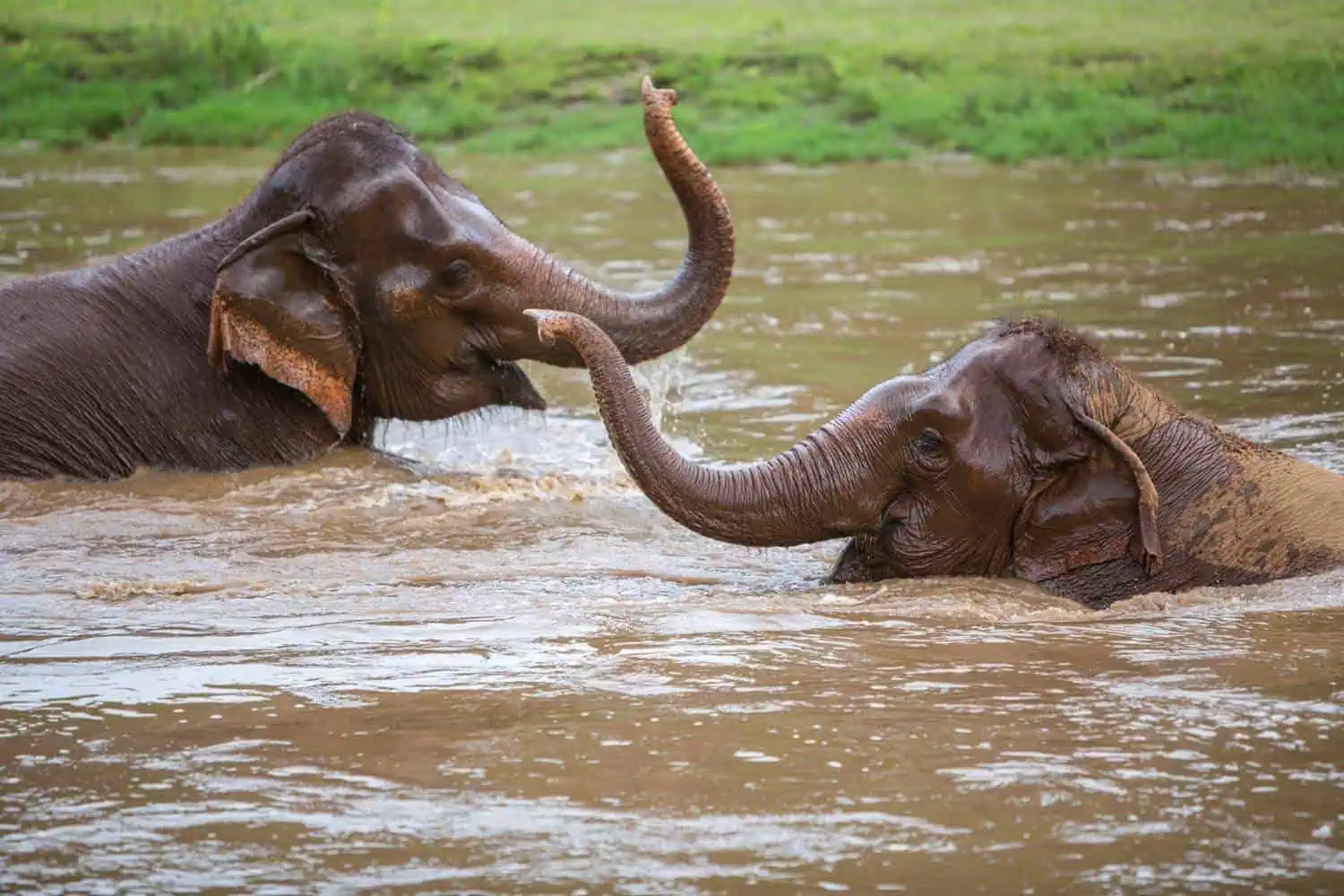
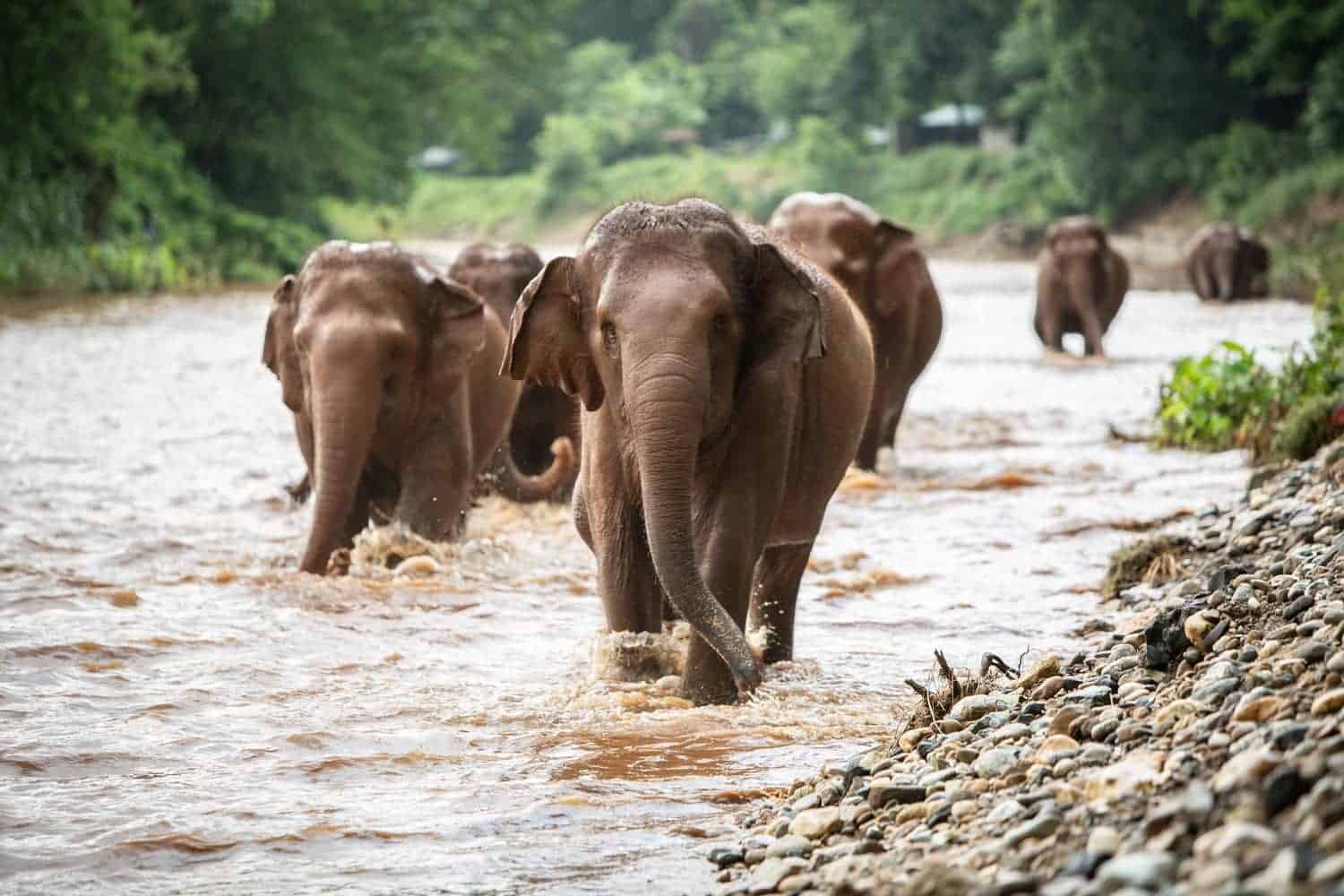
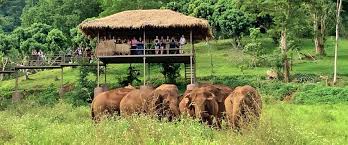
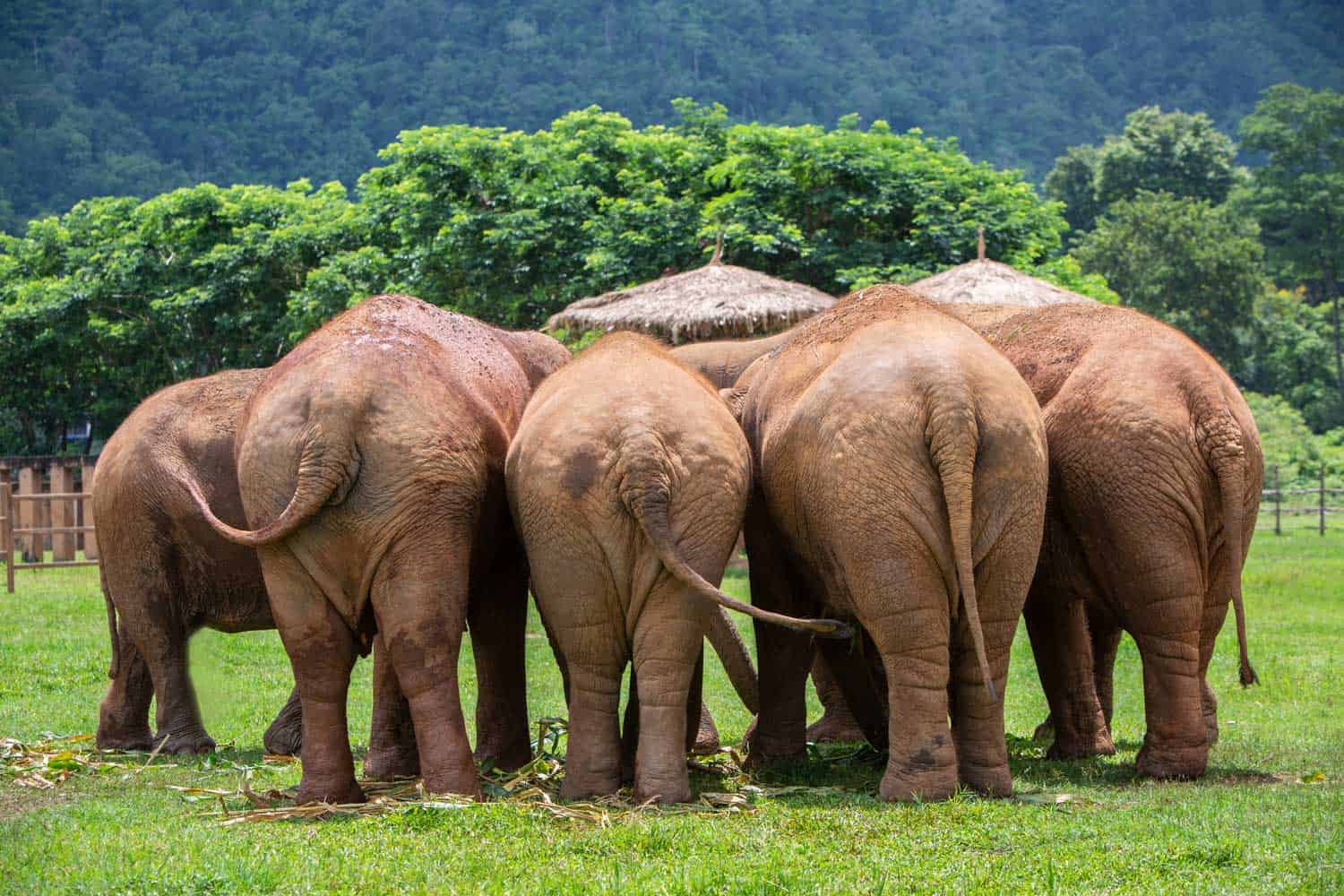
Breakfast is usually served around 7:00am, with dinner served around 6:00pm. During the day, you may help prepare food for the elephants, clean shelters, support maintenance tasks and observe the herds as they walk, socialise, take mud or dust baths and swim in the river.

You’ll also learn about elephant behaviour, individual elephant stories and the broader welfare issues affecting elephants in Thailand. Activities may vary from week to week depending on elephant needs, weather, staff priorities and sanctuary operations.

Volunteers should have a good level of fitness, be able to follow staff instructions and be comfortable working in a team environment.

O2E lists the minimum age as 18 years for this project. Elephant Nature Park notes that children over 12 may attend if accompanied by a legal guardian, but for O2E volunteer placements we should keep the customer-facing requirement as 18+ unless you decide otherwise.

Vet students are welcome to apply, and longer placements may be available on request for those seeking additional hands-on learning time in a sanctuary setting.

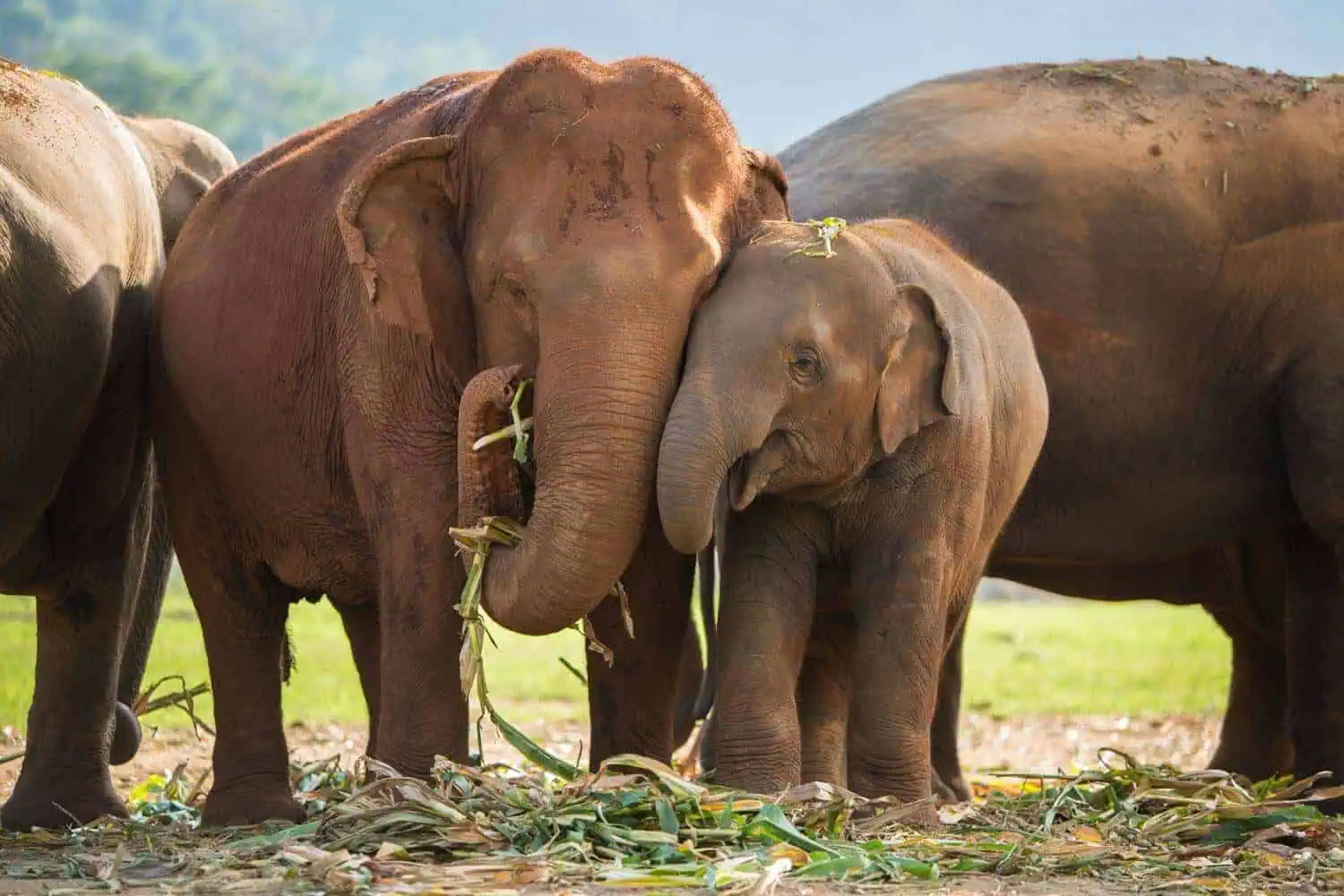
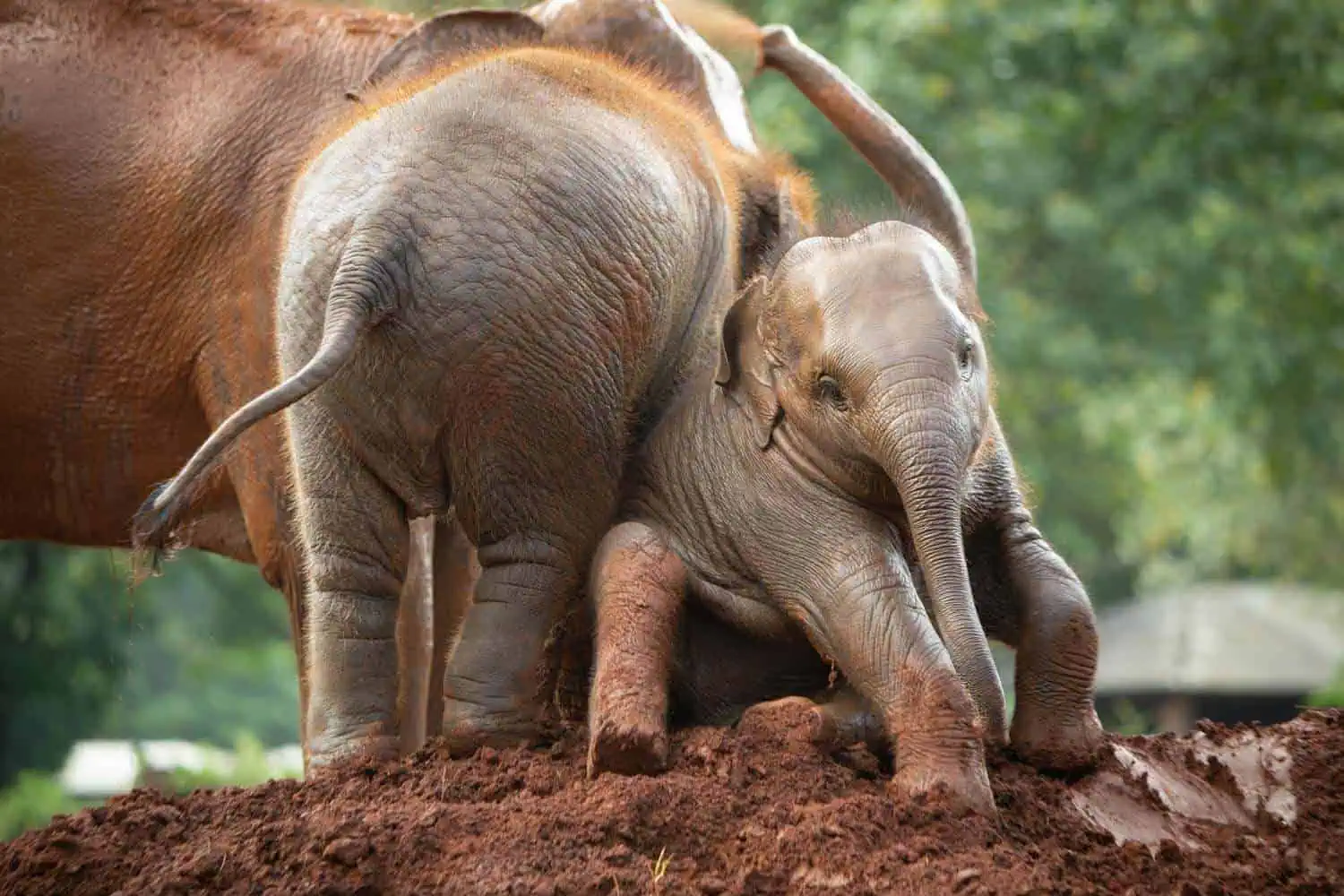
This can be a moving and sometimes confronting experience. Many elephants at the sanctuary have been affected by logging, riding, circus work, street begging, injury, disability, age or trauma.

The work can also be physical and repetitive, with outdoor tasks in heat, rain, mud or changing conditions. Volunteers should arrive with patience, humility, flexibility and a genuine respect for elephant welfare.

This is not a performance-based experience. The value comes from learning, observing and supporting the daily care that helps rescued elephants live with more dignity and safety.

Placements usually begin on Monday and run through to Sunday.

Participants should arrive in Chiang Mai city the day before the program begins. Pick-up is usually from Chiang Mai city accommodation on Monday morning, or participants may meet at the Elephant Nature Park office

Standard volunteer placements are available for 1 or 2 weeks.

Vet student placements may be available for up to 4 weeks, subject to approval and availability.

Extensions may be possible depending on availability and suitability, with decisions made toward the end of the stay directly with the onsite project team.

The program generally runs during the day, with activities connected to elephant care, education, observation, food preparation, shelter cleaning and park maintenance.

O2E currently lists the work roster as approximately 9:00am to 5:00pm. Daily schedules may vary depending on elephant needs, weather, volunteer numbers and staff priorities

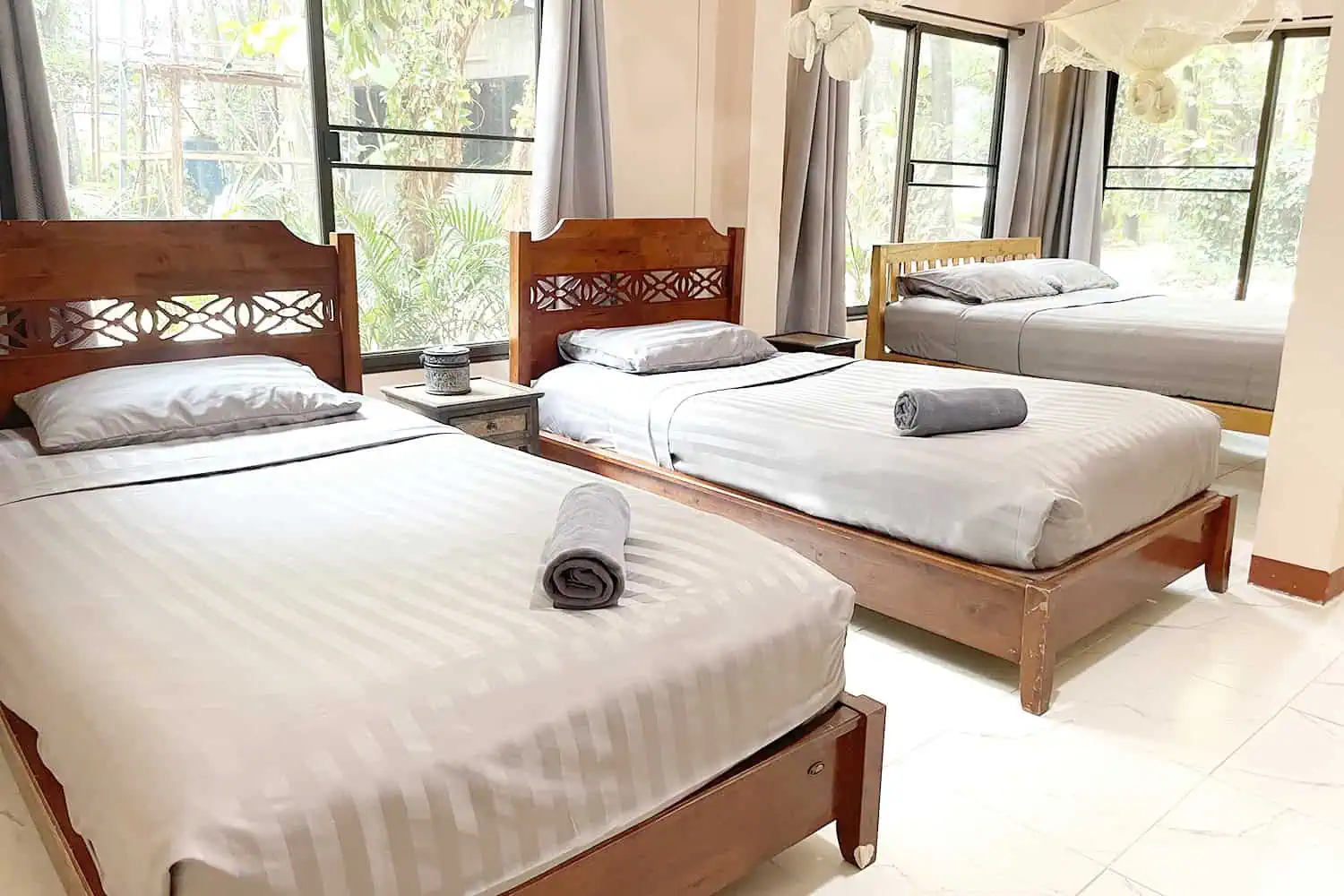
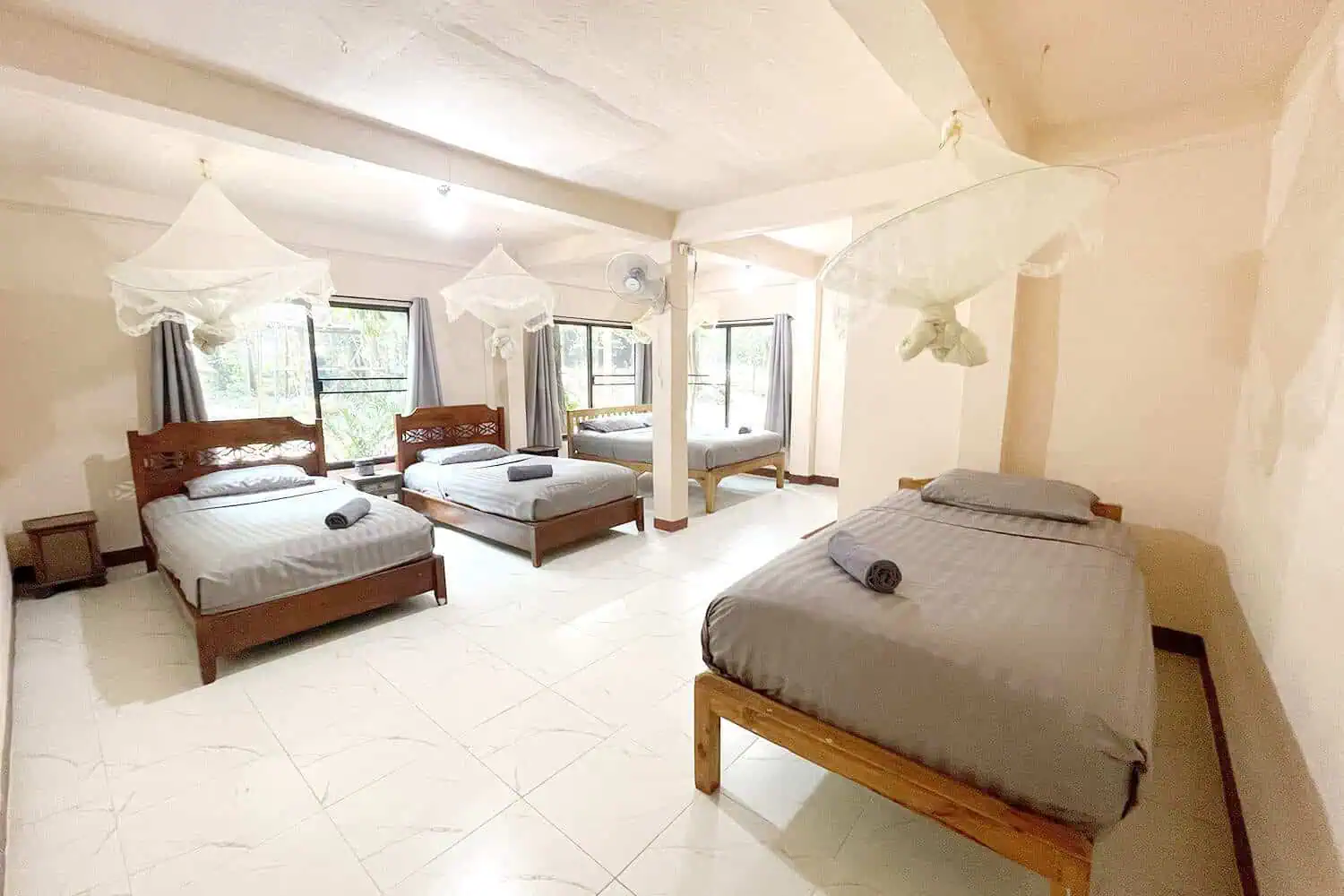
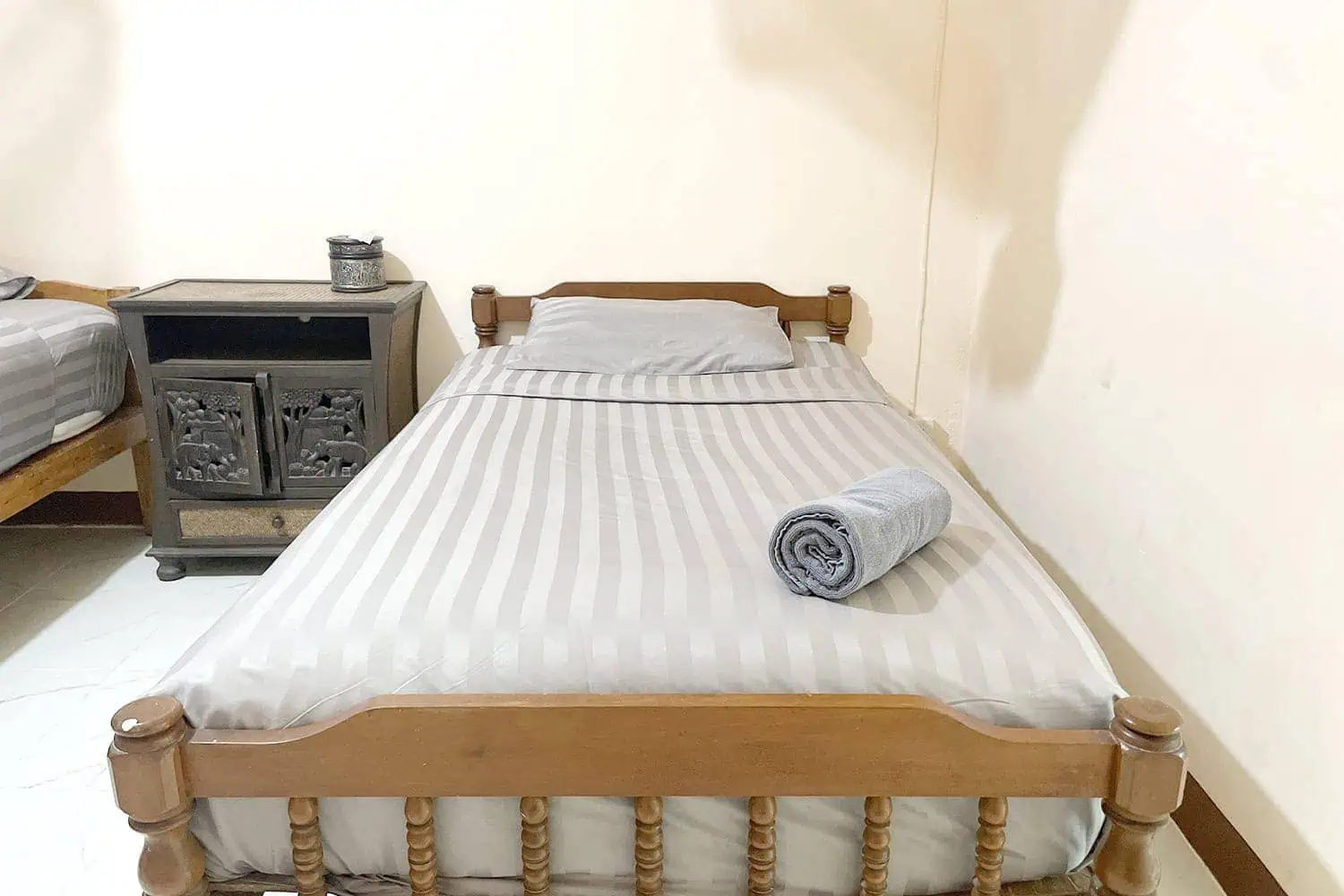
Volunteers stay on-site in shared accommodation, usually with at least one other person of the same sex. Rooms have attached bathrooms, and internet is generally available.

Accommodation is simple, comfortable and close to the sanctuary environment, giving volunteers the rare experience of falling asleep and waking to the sounds of elephants nearby.

Three vegan buffet-style meals are included each day. Meals usually include a variety of Thai and Western-style dishes, with filtered drinking water, tea and coffee available.

This program does not include elephant riding, circus-style shows or entertainment-based activities.

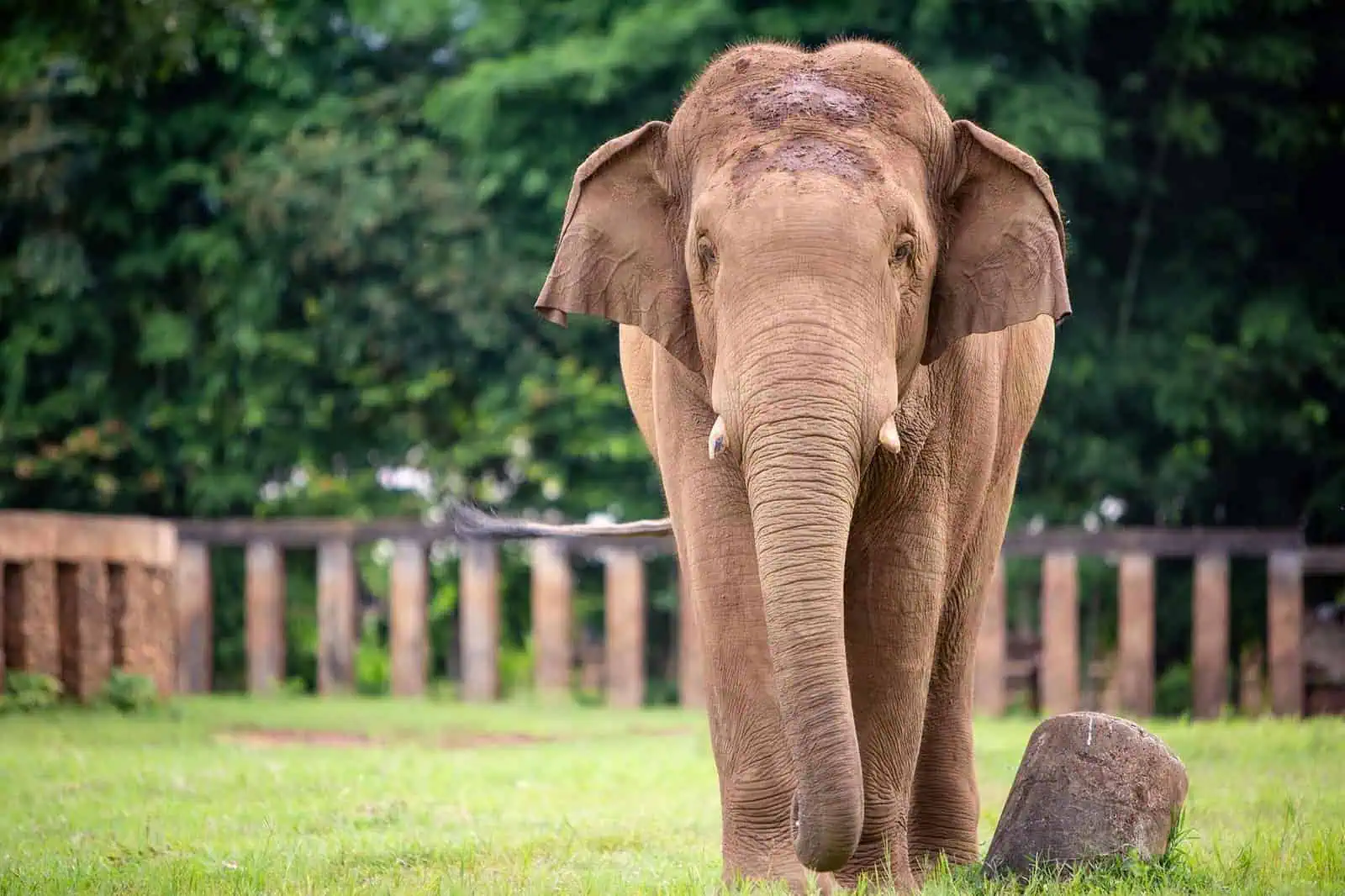
The sanctuary provides sanctuary for elephants who have often been mistreated, disabled, blind, elderly, orphaned or rescued from working industries such as logging, riding, circus shows and street begging. Volunteers are here to observe, learn and support — not to control, ride or treat elephants as attractions.

Education is a core part of the sanctuary’s work. Guided public tours help visitors understand the realities facing elephants in Thailand, while also generating income that helps fund daily care, food, veterinary support and sanctuary operations.

What's Included

  • Pre-departure support
  • Project Information Pack
  • 24-hour in-country support
  • 24hr O2E Emergency Phone
  • Accommodation
  • Meals (vegan)
  • Project Orientation
  • Training & Field Coordinator
  • Return Transport
  • International Calls (in case of emergency)
  • Certificate of Participation if requested
Accommodation image 1
Accommodation image 2
Accommodation image 3
Accommodation image 4

How Your Contribution Creates Impact

1
Conservation & Program Delivery 60%

Conservation & Program Delivery 60%

Your core experience: hands-on wildlife care, habitat support, and field guidance from local hosts.

2
Accommodation & Meals 5%

Accommodation & Meals 5%

Safe accommodation and nourishing meals, locally produced

3
Ethical Employment 10%

Ethical Employment 10%

Fair wages for local teams contributing directly to the success and safety of your project.

4
Program Coordination 18%

Program Coordination 18%

Essential behind-the-scenes work such as volunteer onboarding, logistics, and ethical oversight.

5
Donation 4%

Donation 4%

Future Impact Fund – Additional contributions that extend support beyond your stay through ethical projects.

6
Governance & Compliance 3%

Governance & Compliance 3%

Taxes, permits, and legal charges that uphold international and local standards.

Row G

Row G

They do not allow elephant riding or forced interaction, which was extremely important to us. The focus here is on rescue, rehabilitation, and allowing the elephants to live as naturally as possible. You observe them on their terms, and that’s exactly how it should be.

The setting is absolutely beautiful — lush countryside north Thailand with mountains, open land, and a river running through the sanctuary. Just being there feels peaceful. Watching the elephants roam, socialize, bathe, and simply be elephants in a safe environment was unforgettable. What makes the visit especially powerful is learning the individual stories of the elephants — many rescued from logging, riding camps, or other harsh conditions. The staff and volunteers are deeply knowledgeable and clearly committed to ethical care. You leave not just with great memories, but with a deeper understanding of why responsible tourism matters.

wpChatIcon
wpChatIcon