
Listen to The Volunteer Traveler series one now

Thai Wildlife Rehabilitation & Care

Thai Wildlife Rehabilitation & Care

Care for rescued wildlife in the heart of Thailand

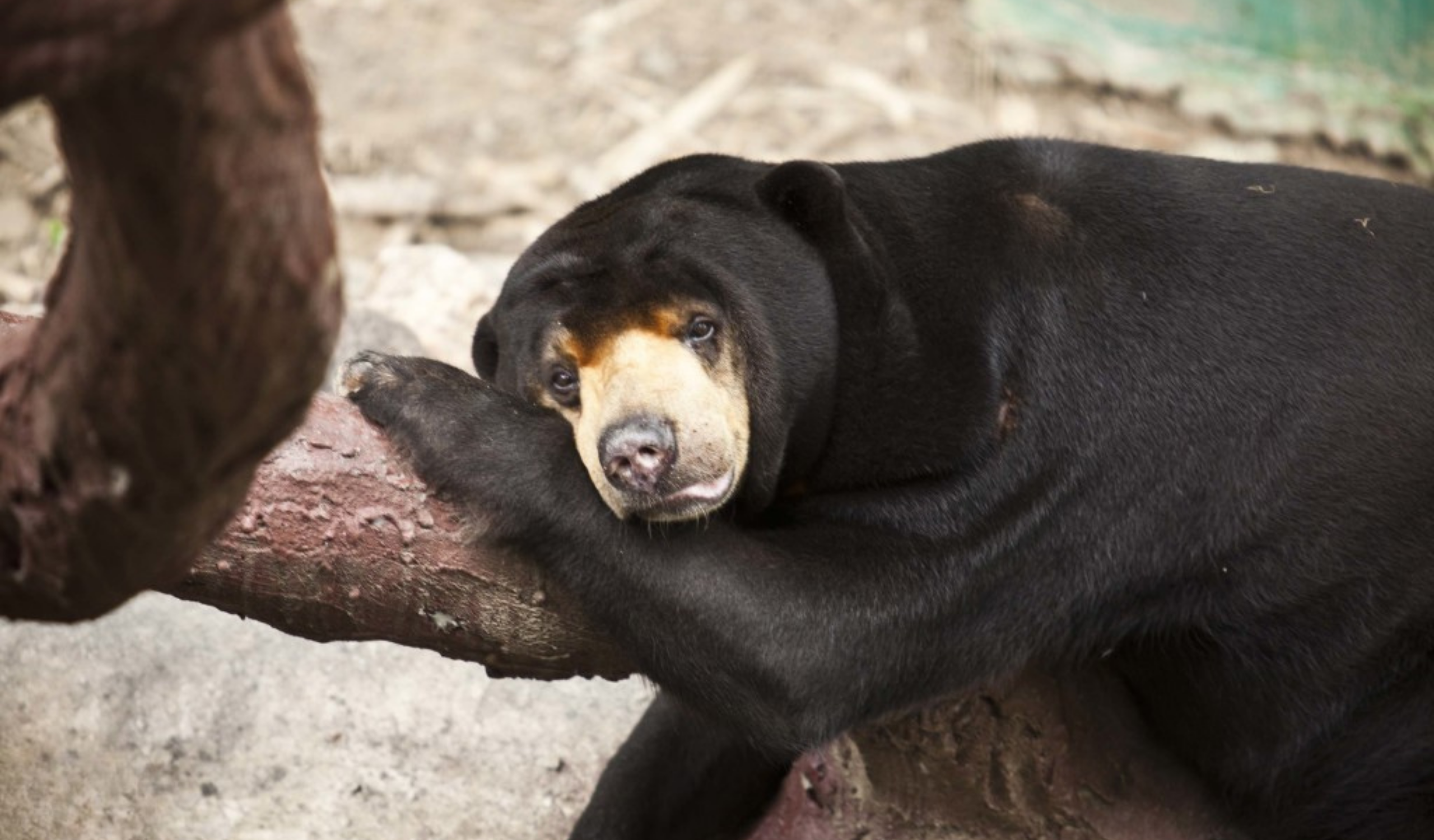
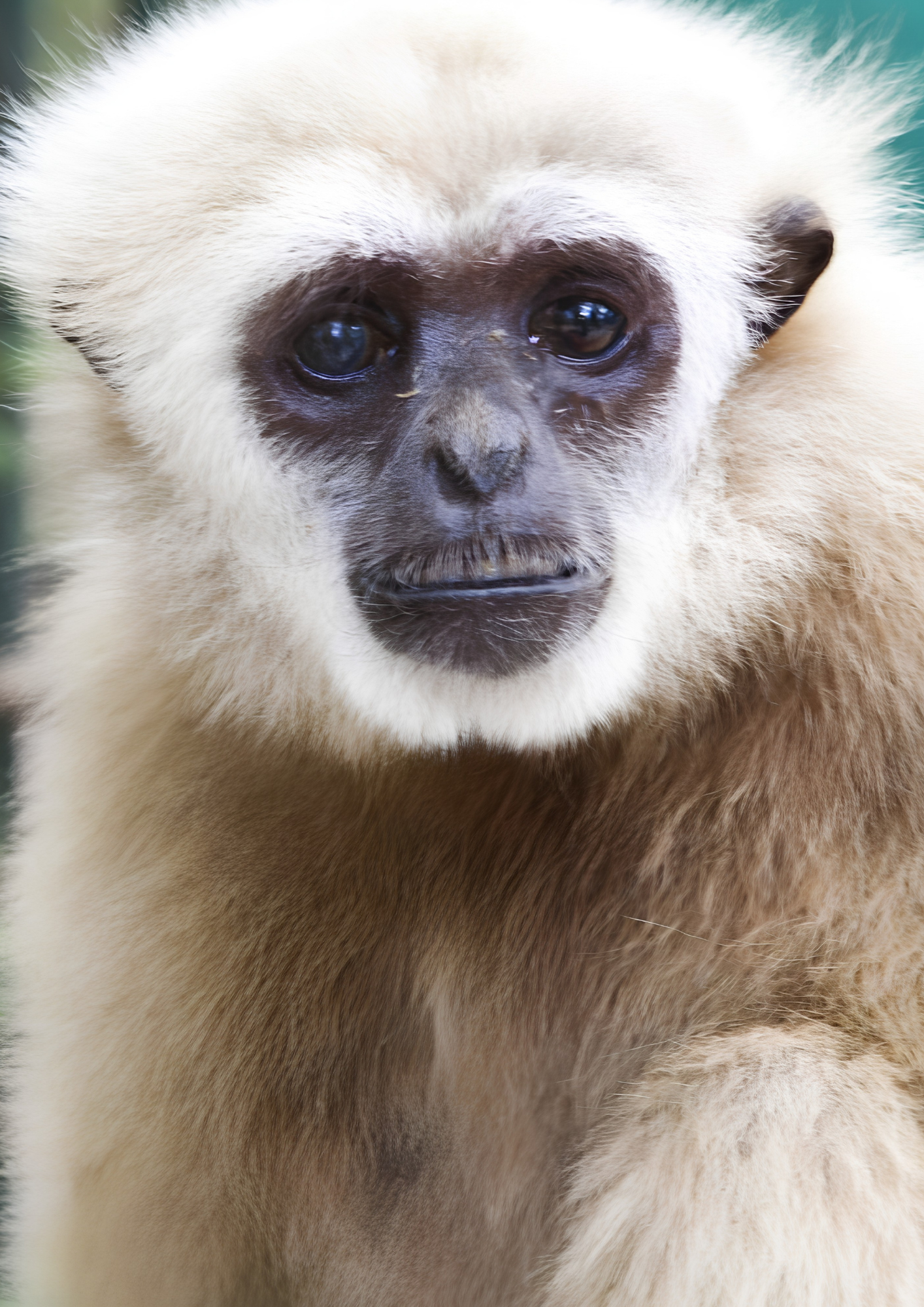
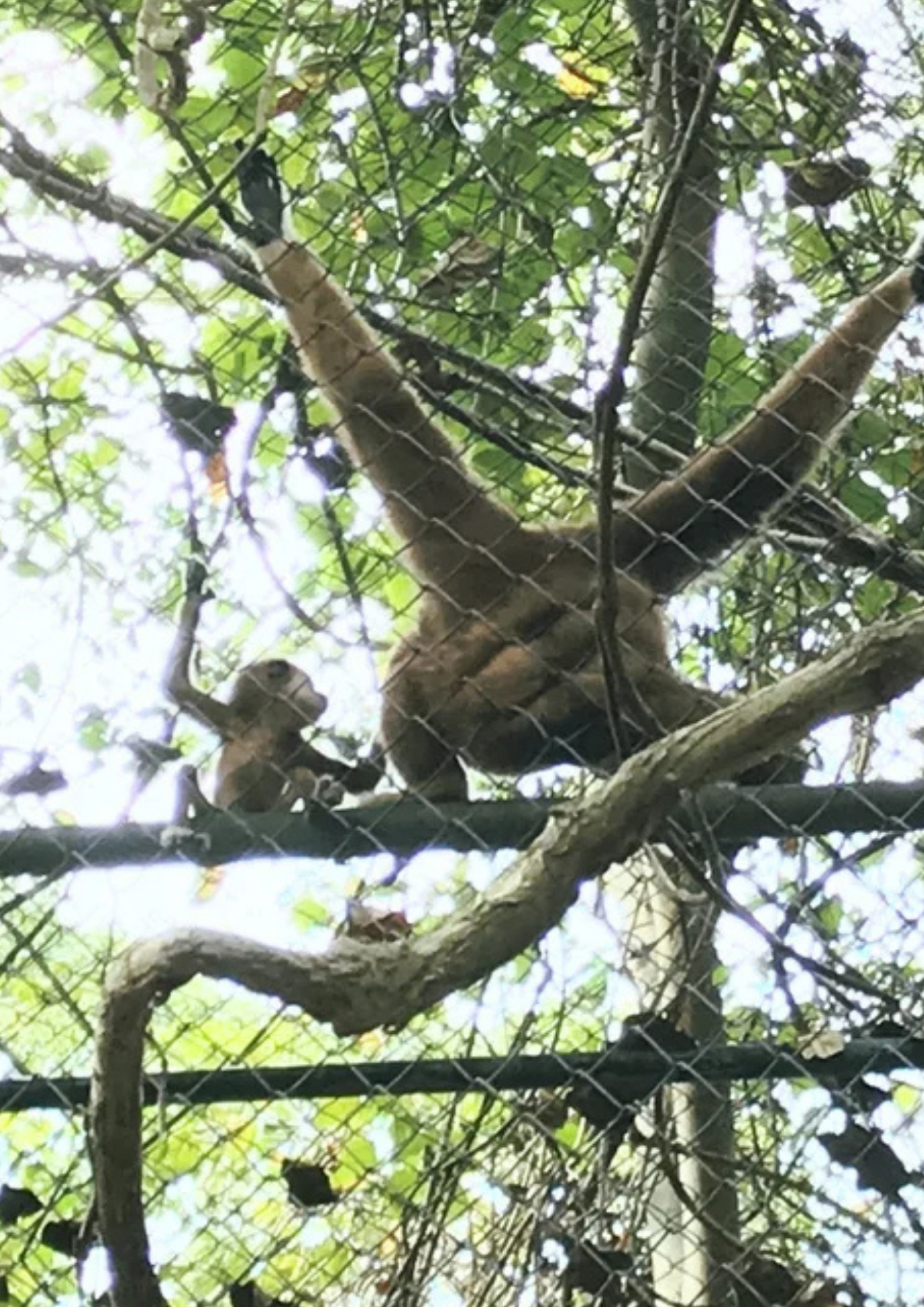
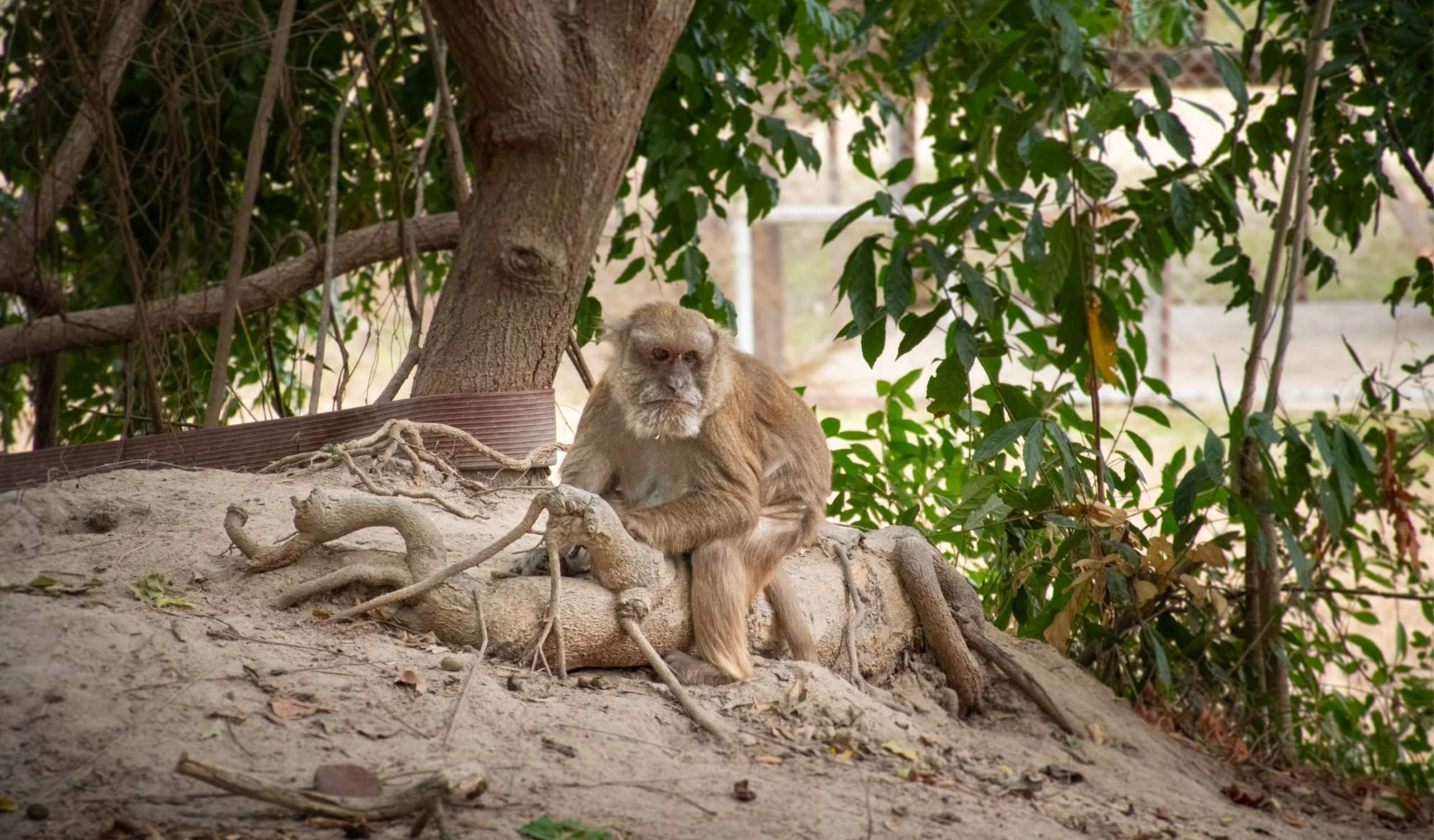
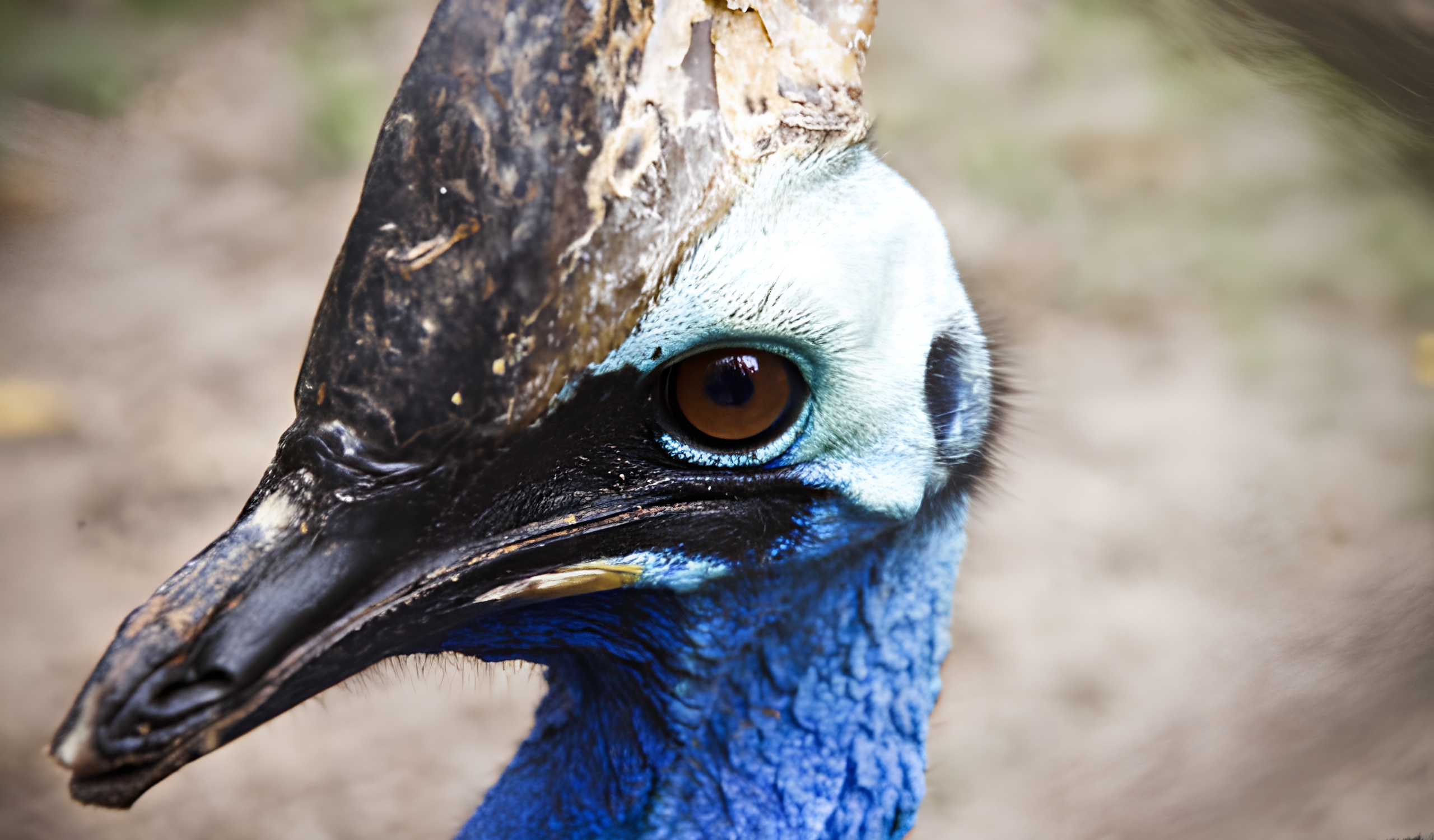
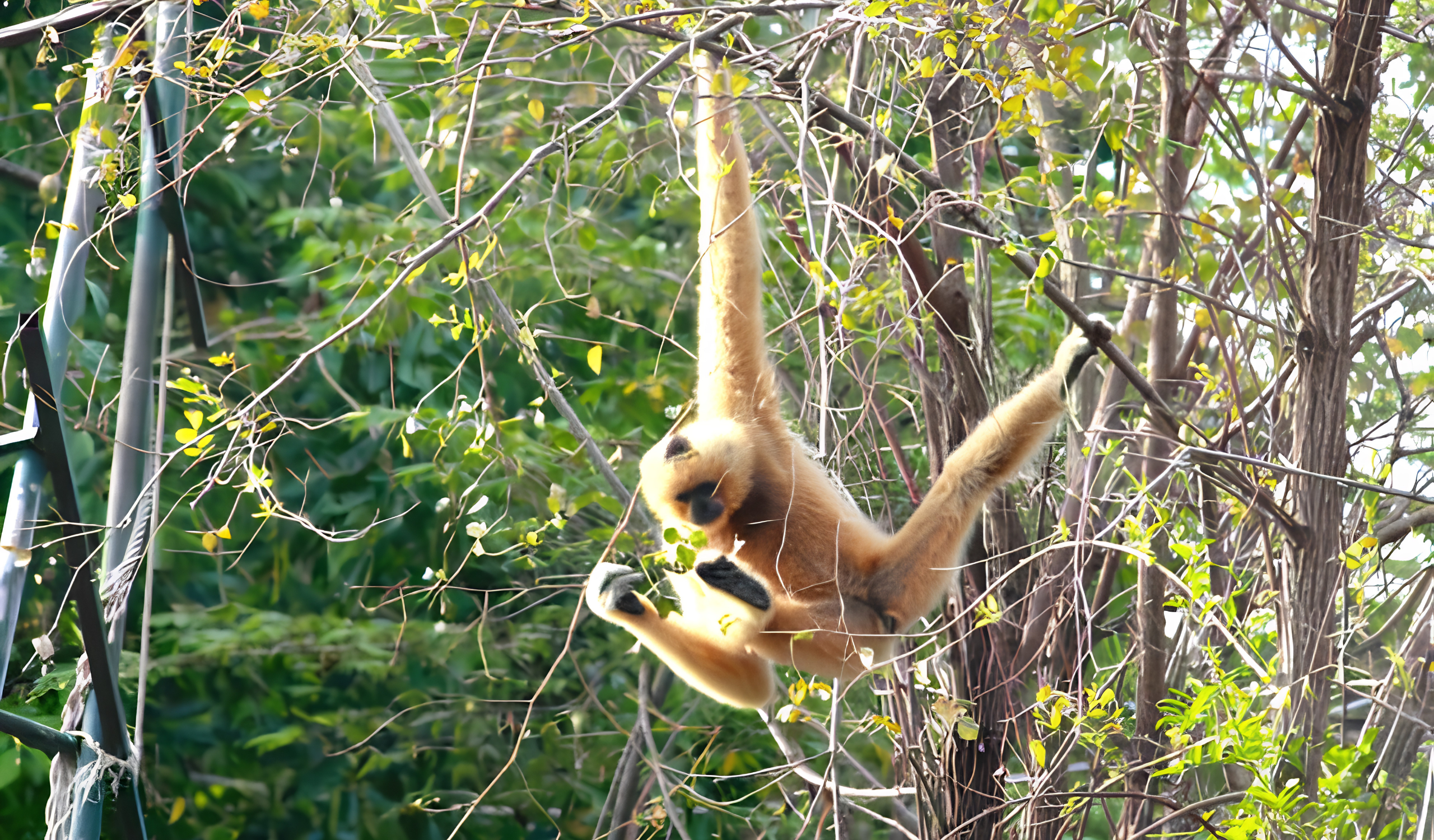
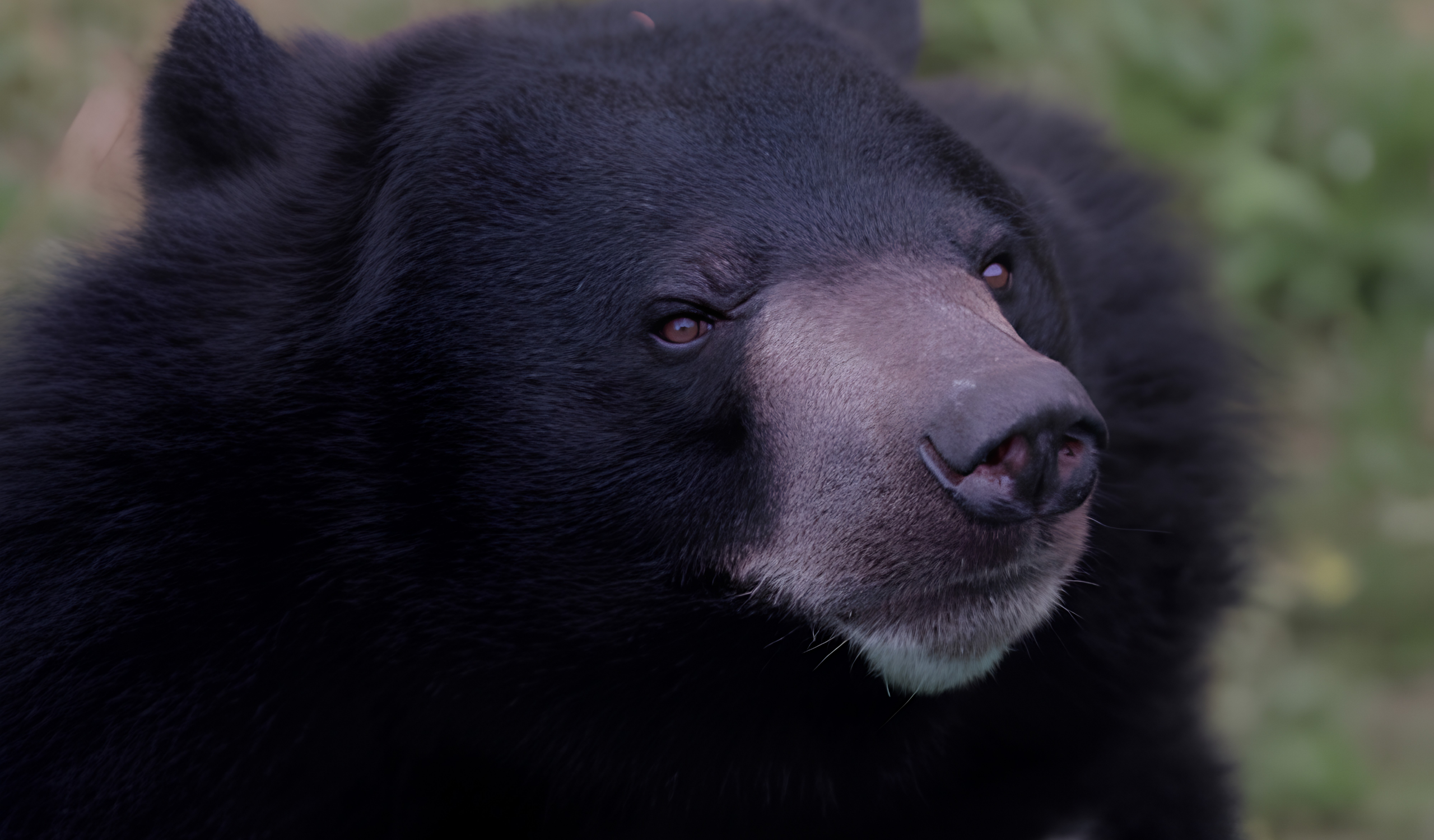
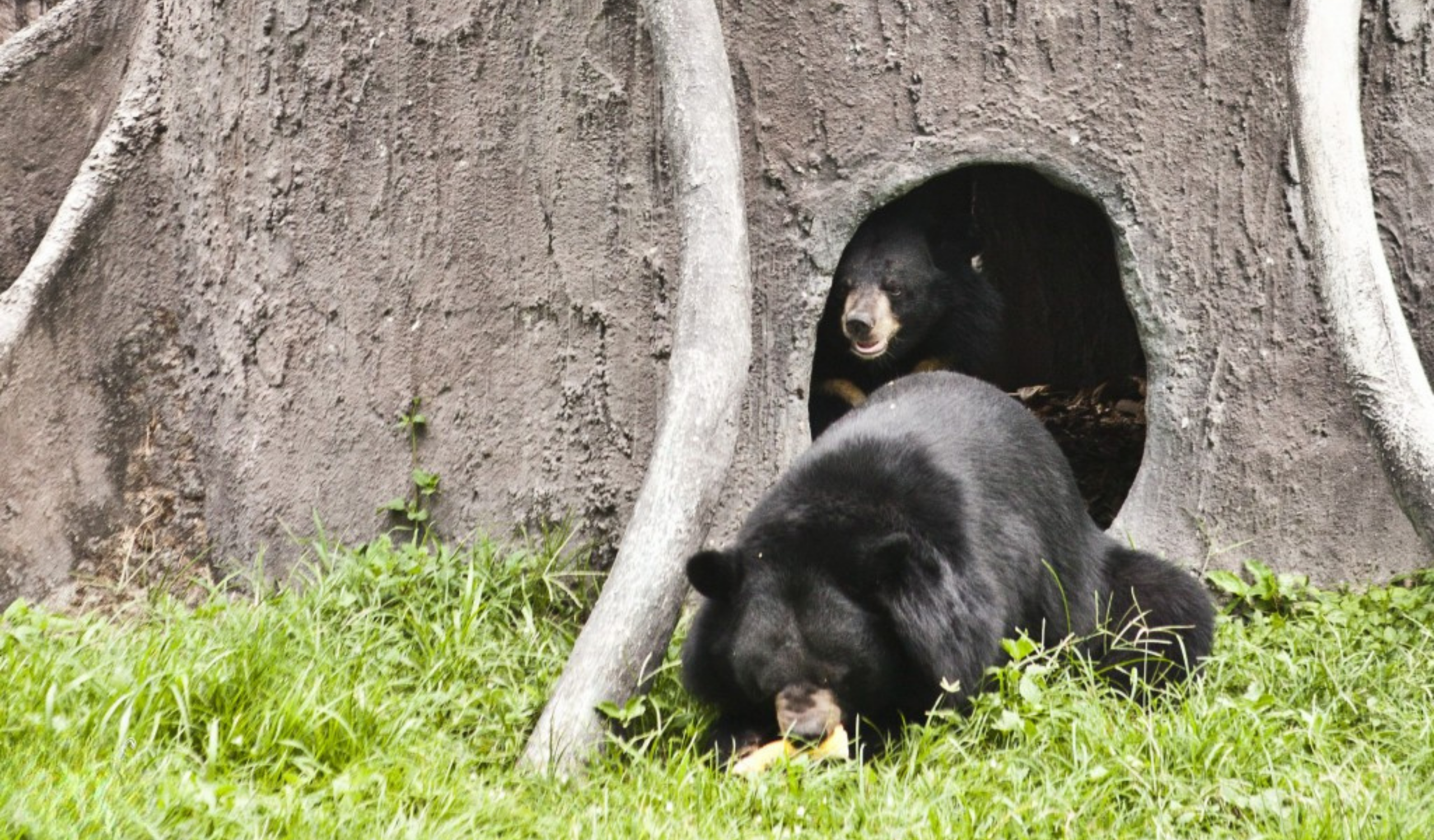
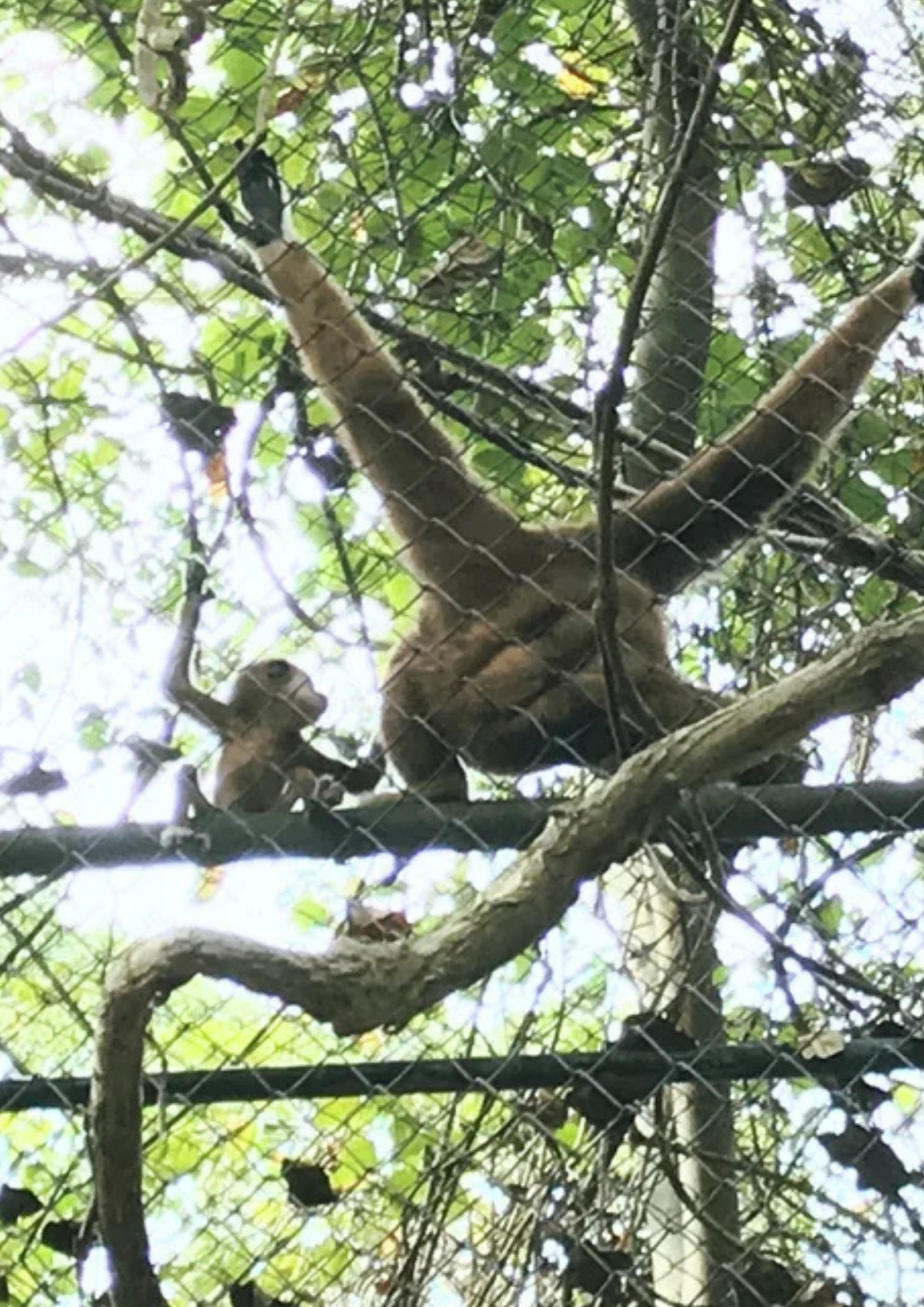
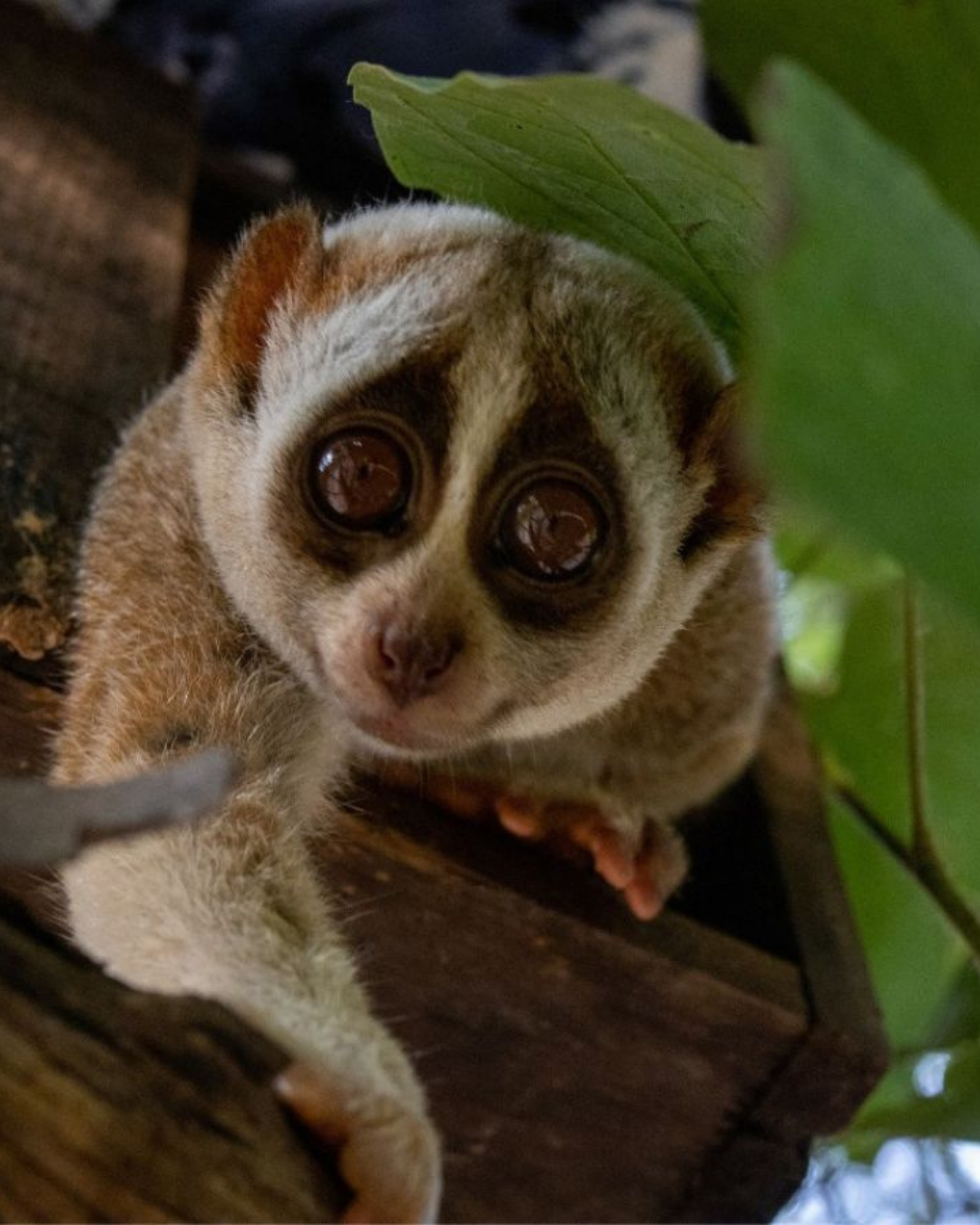
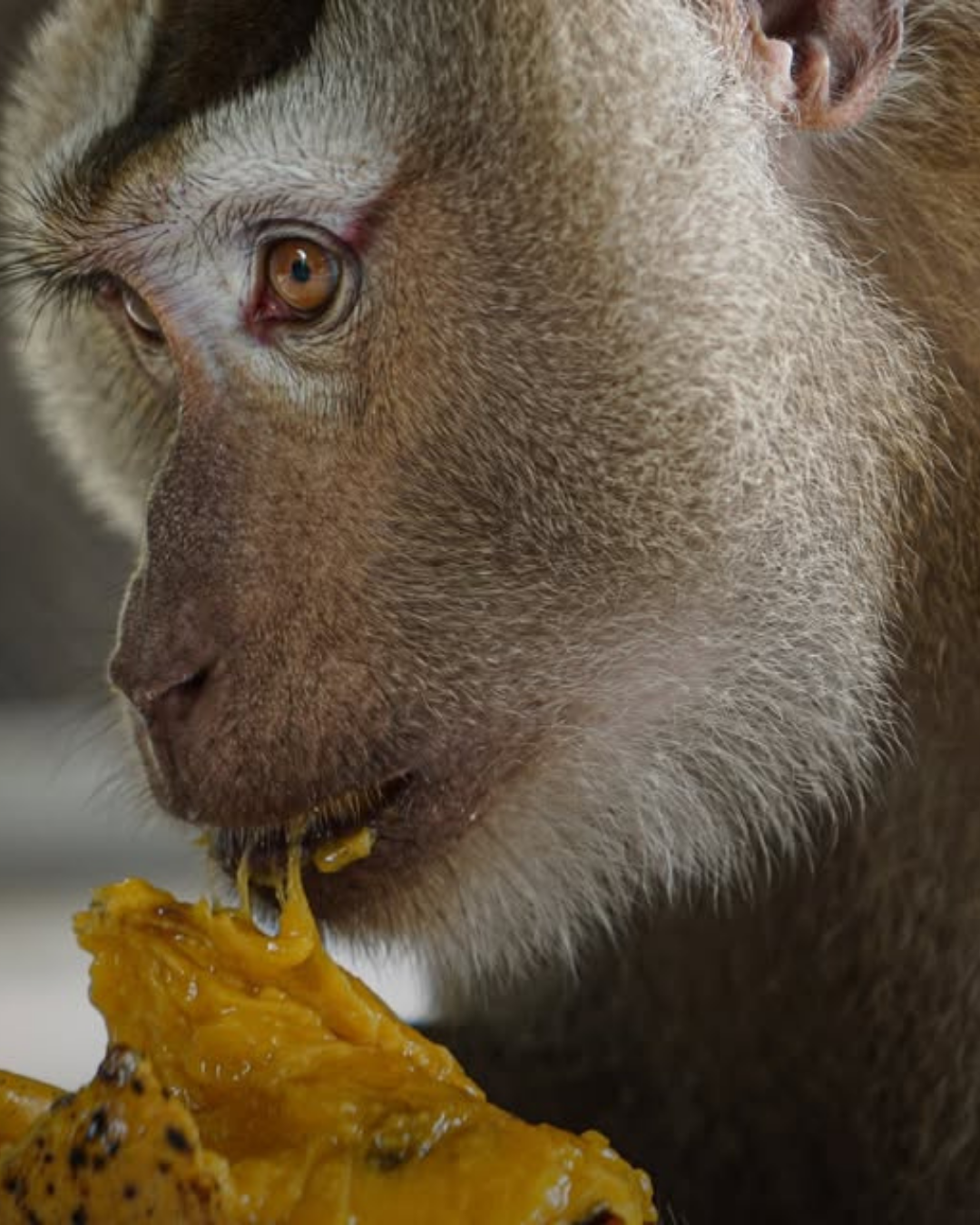
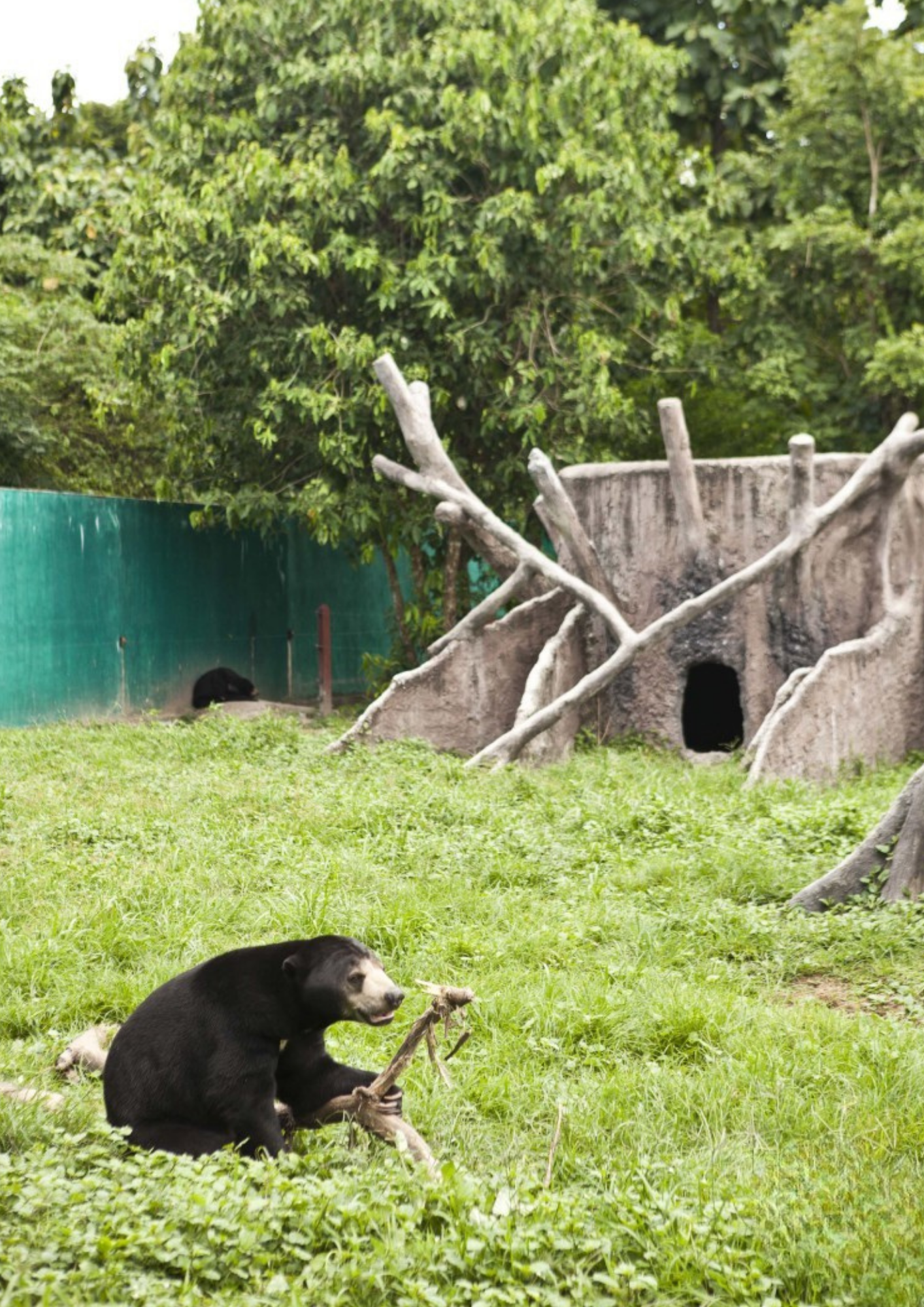
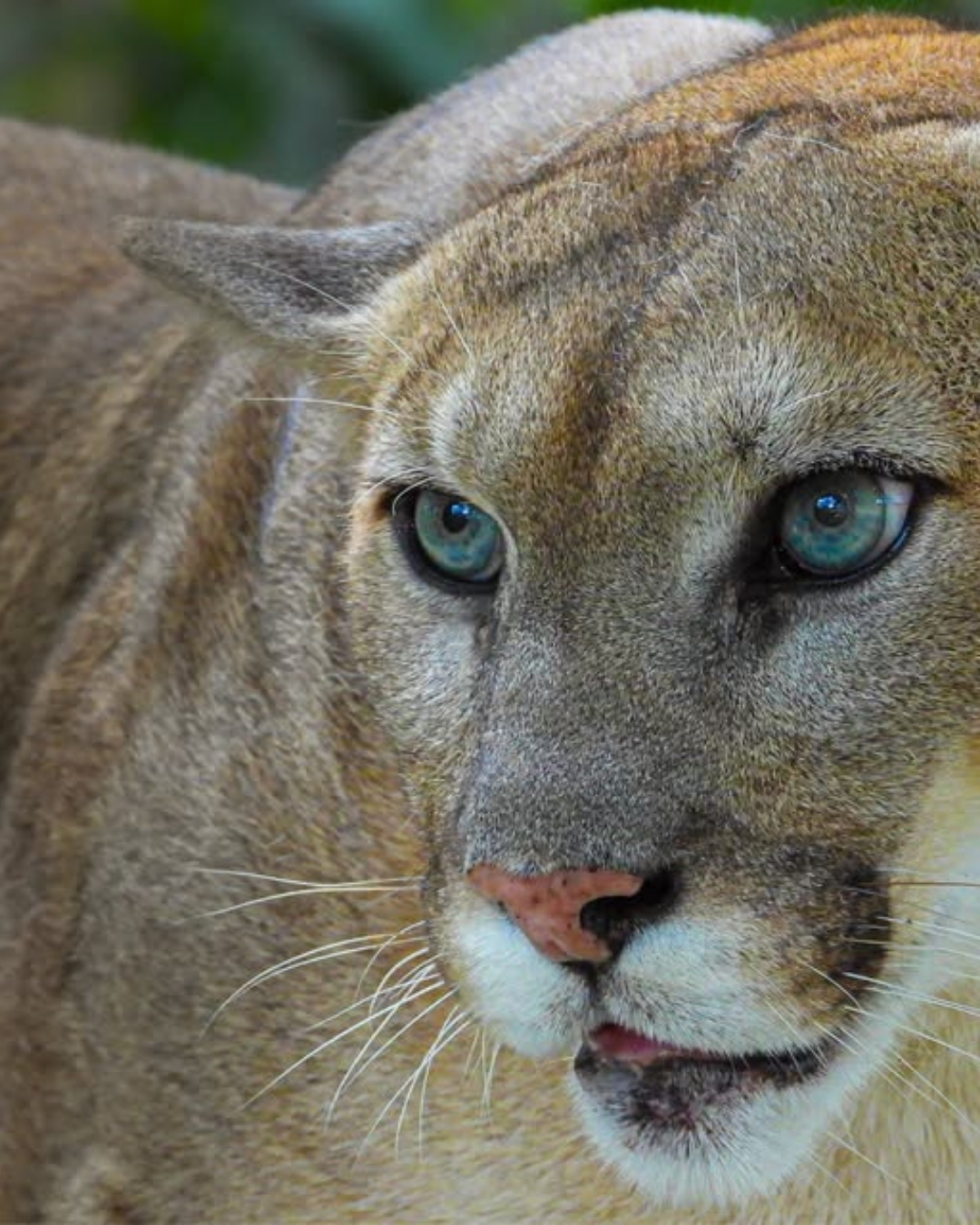
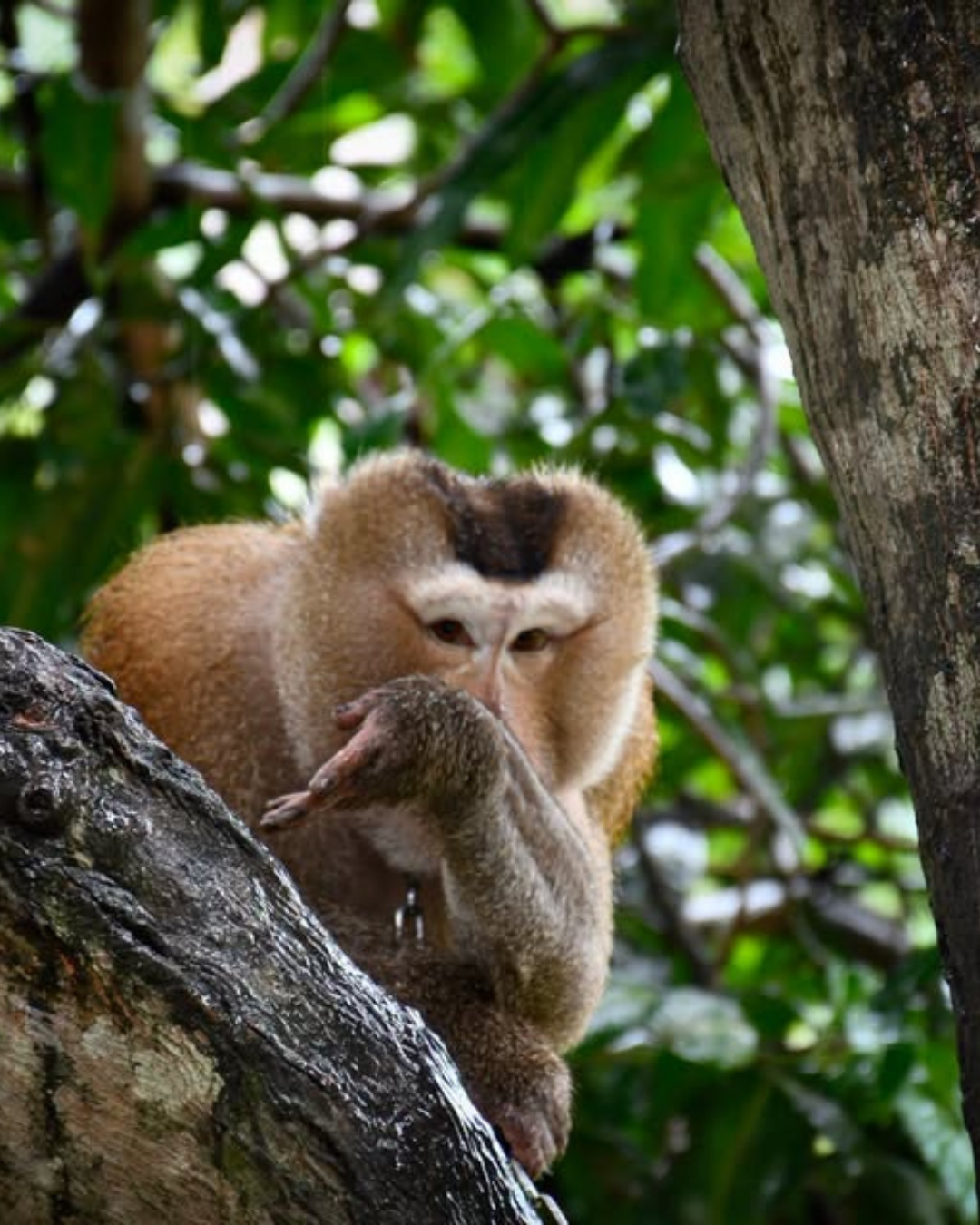
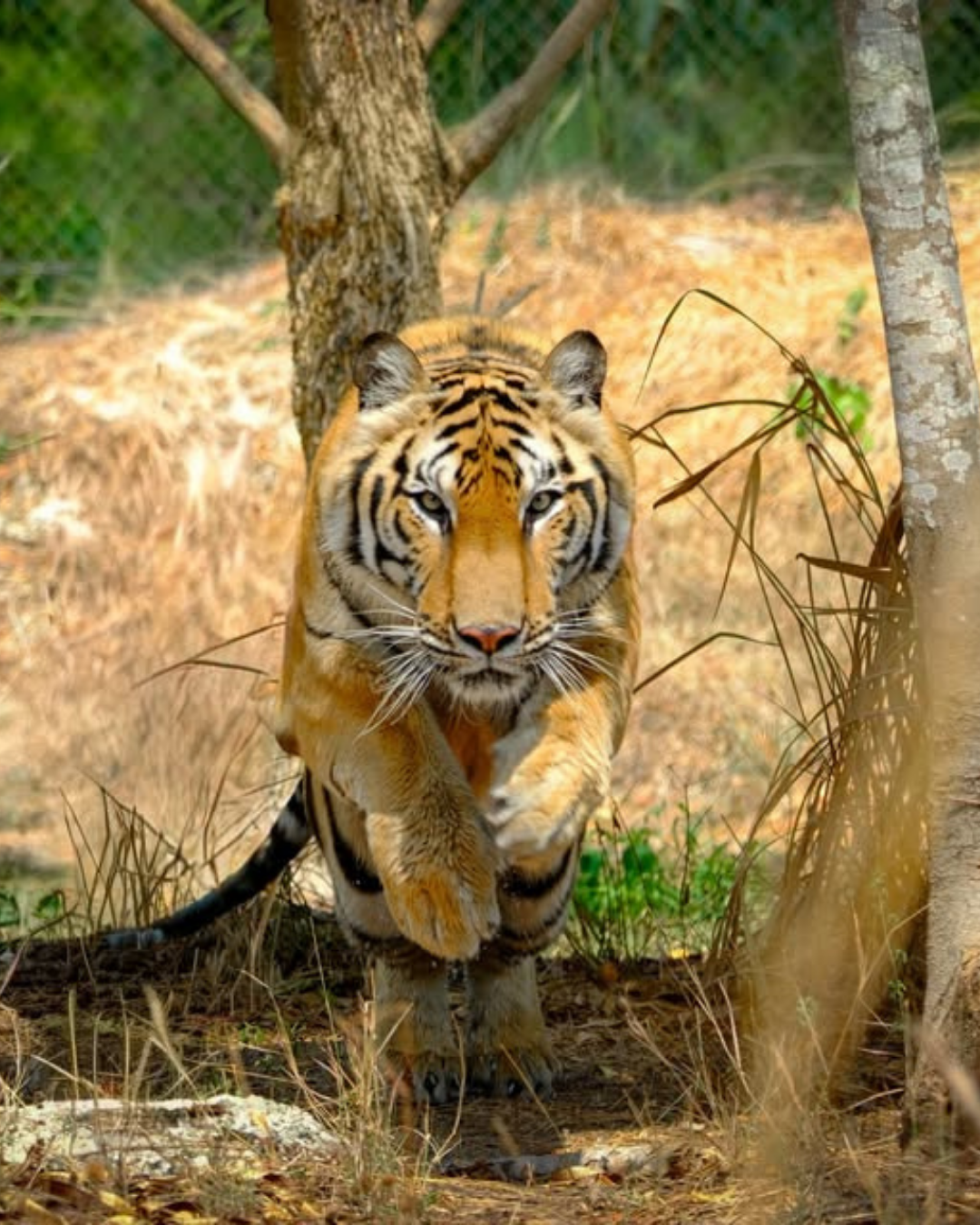
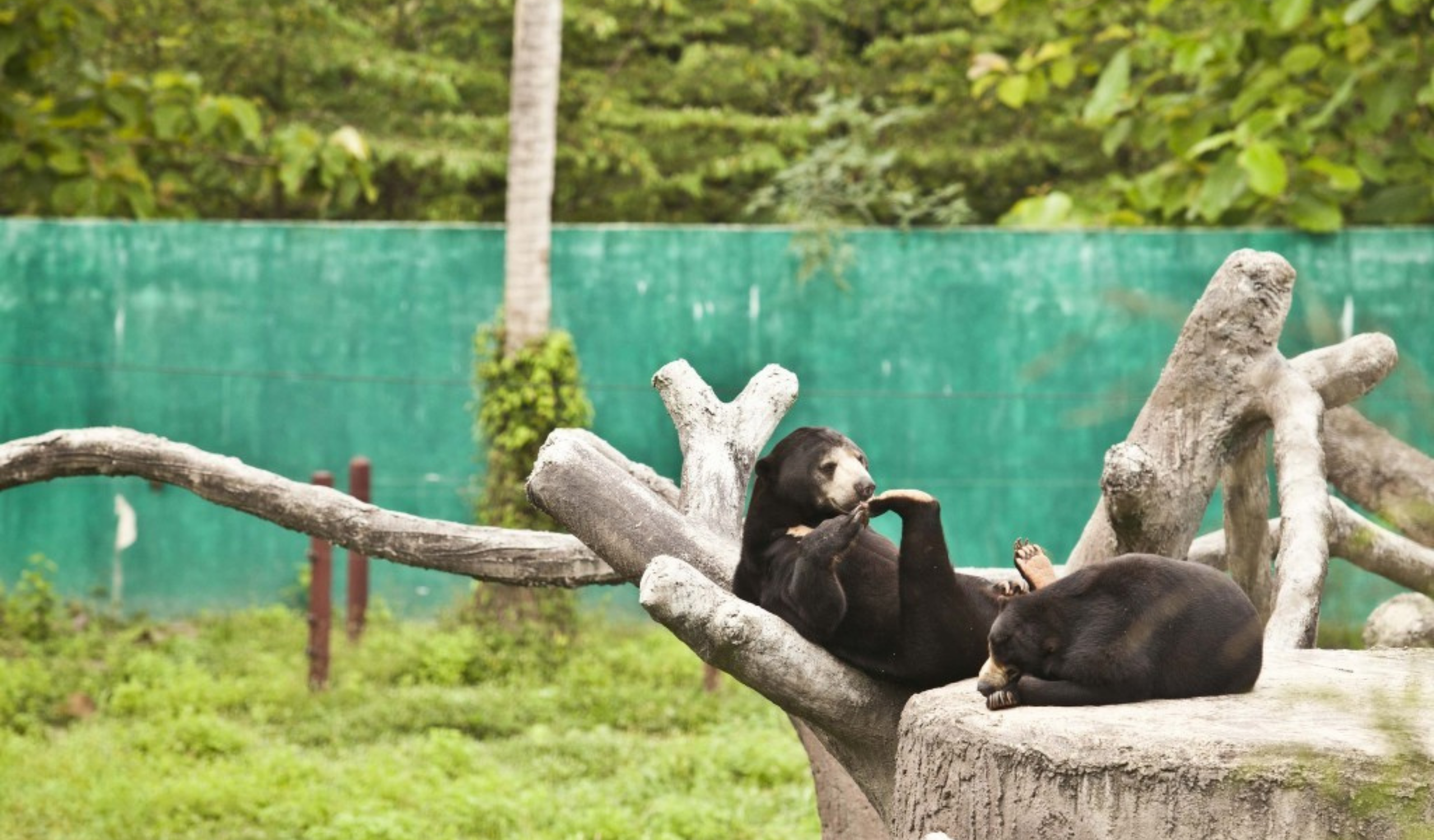
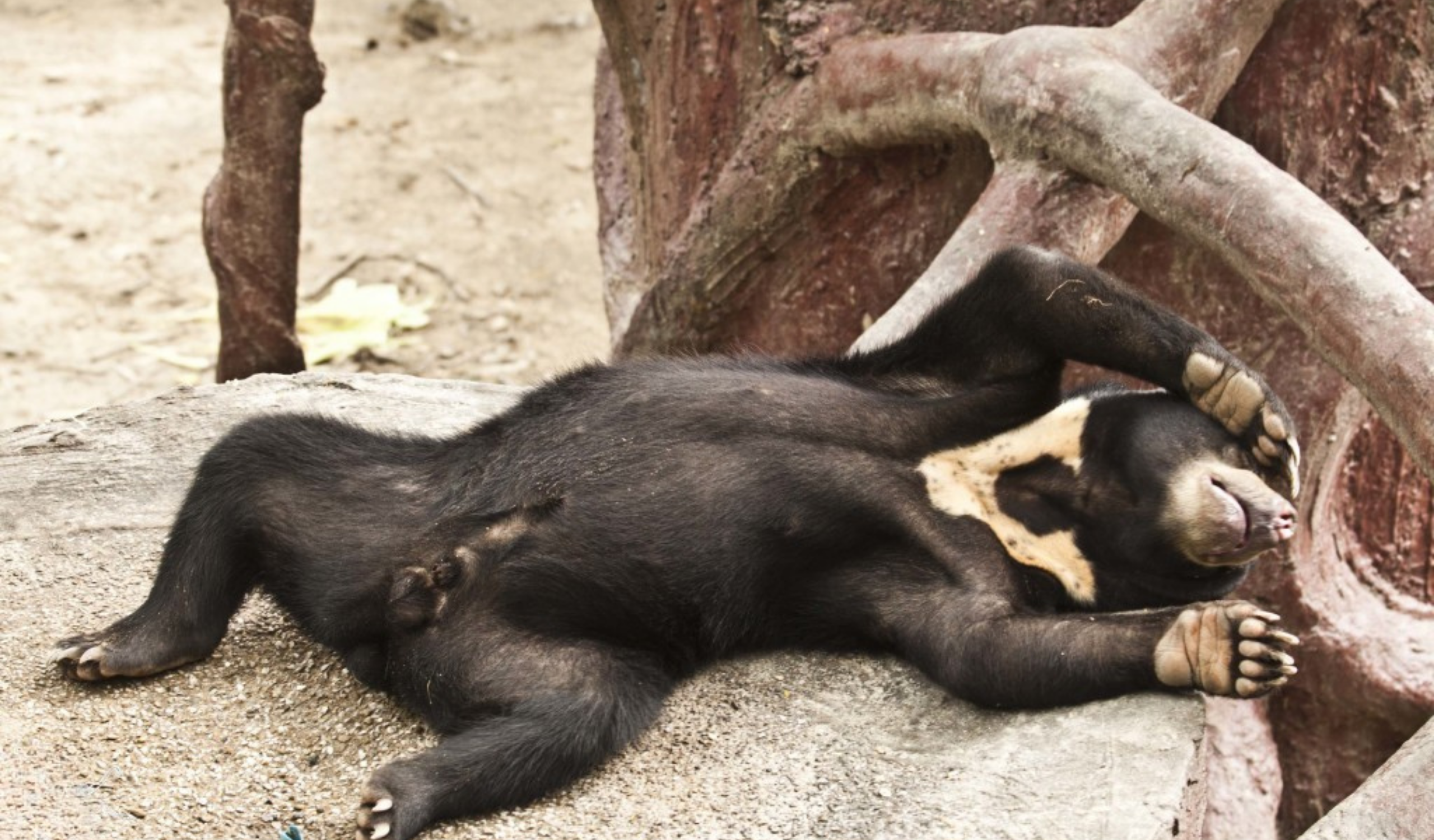
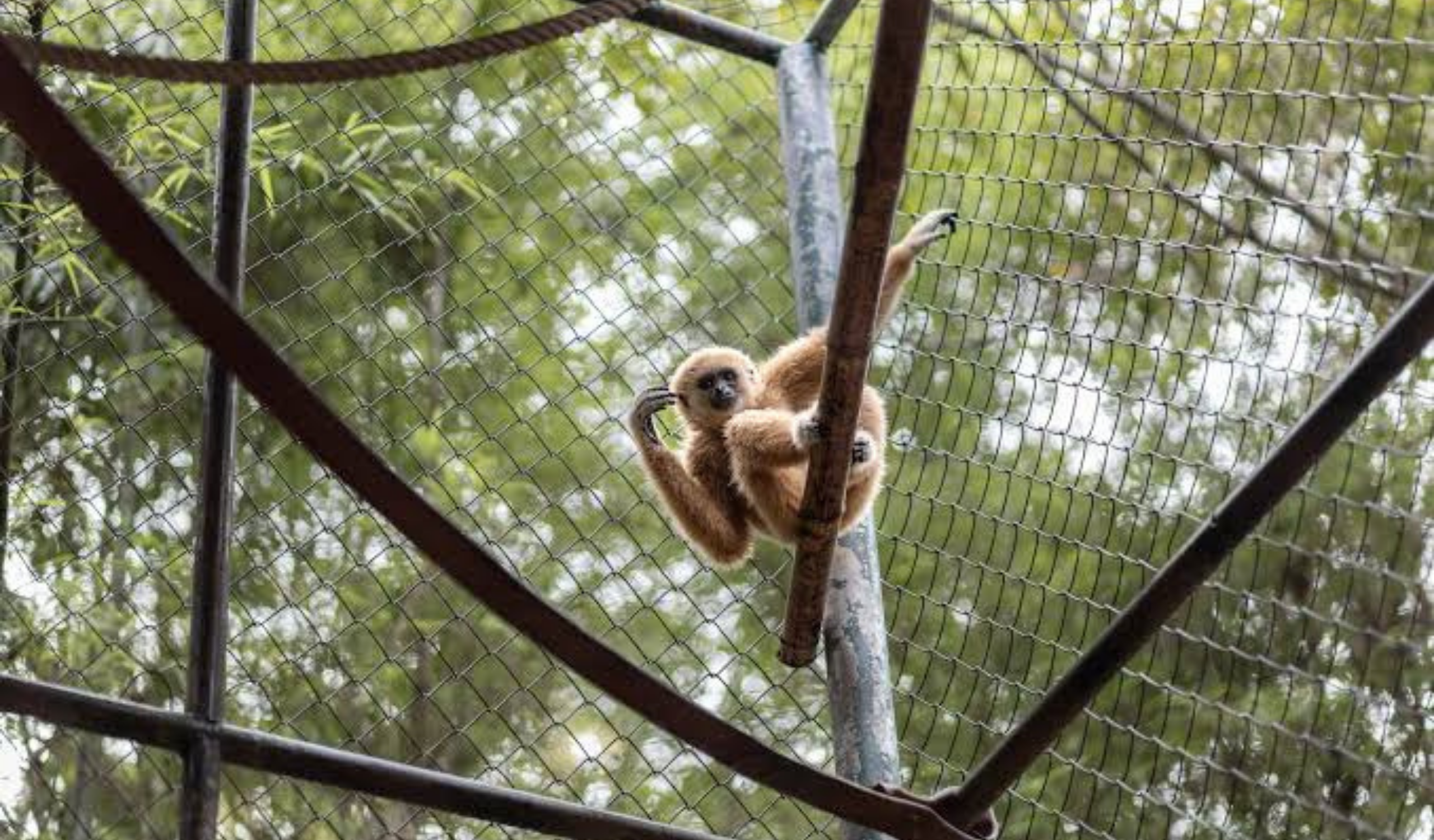
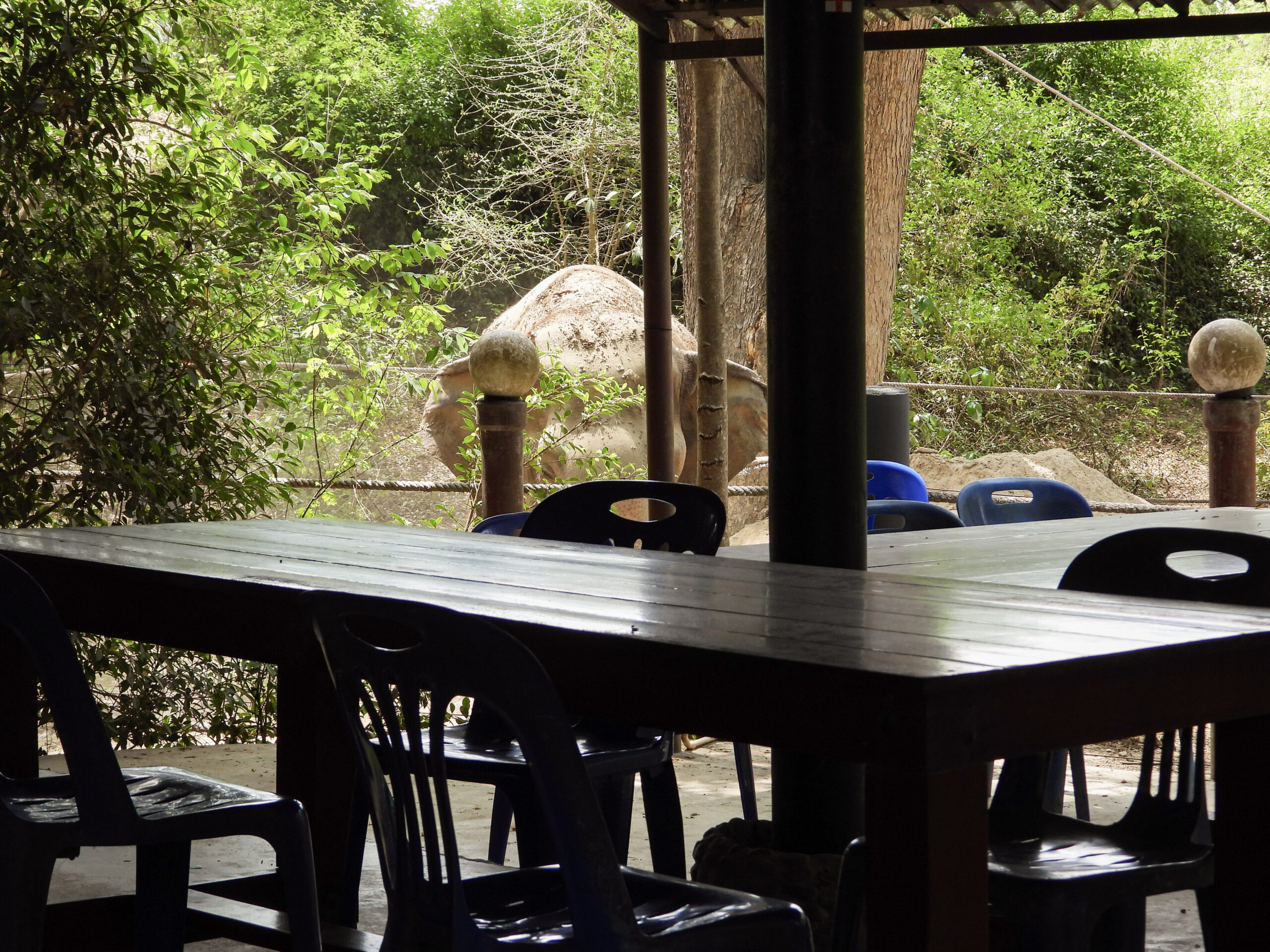
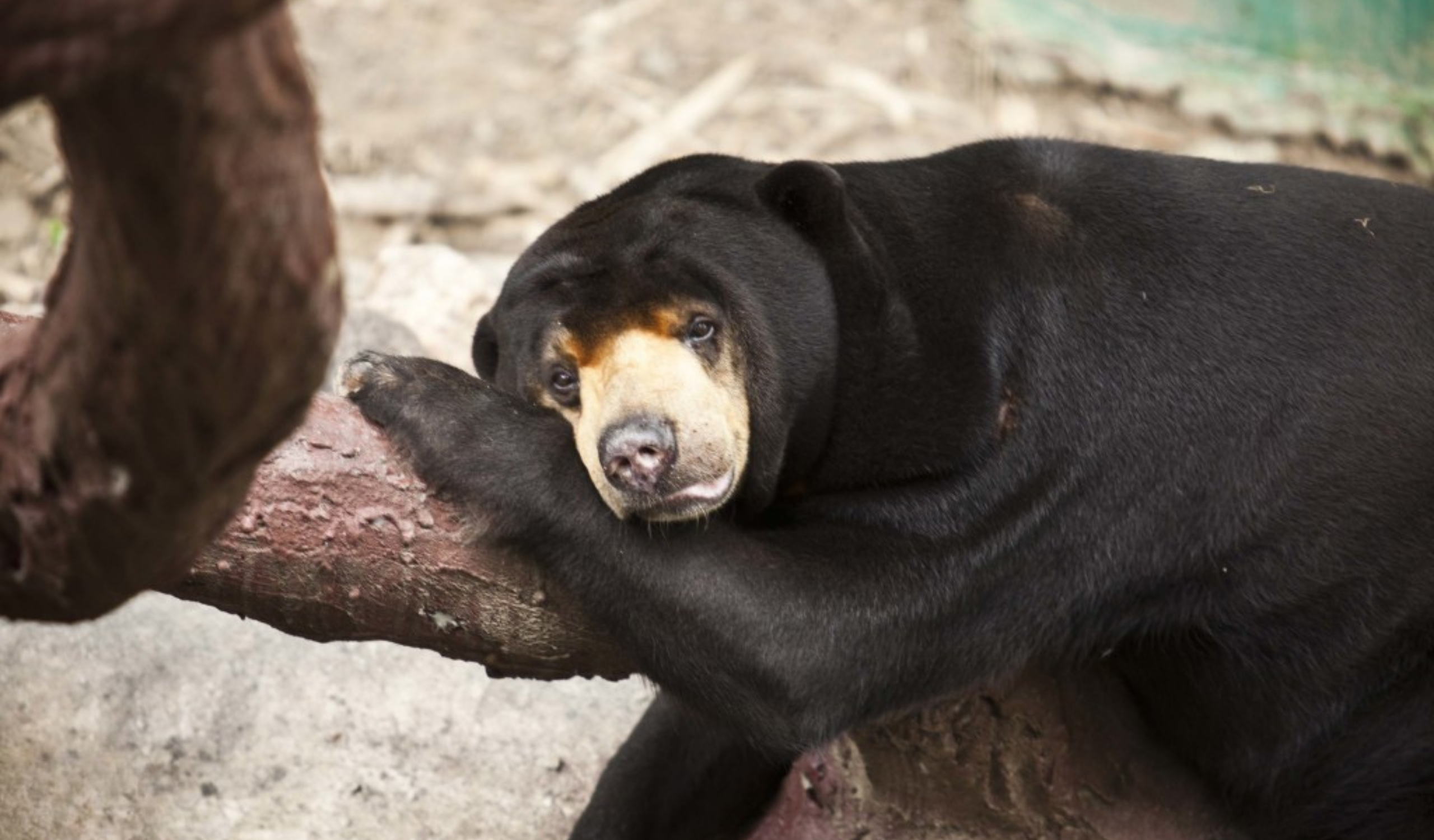
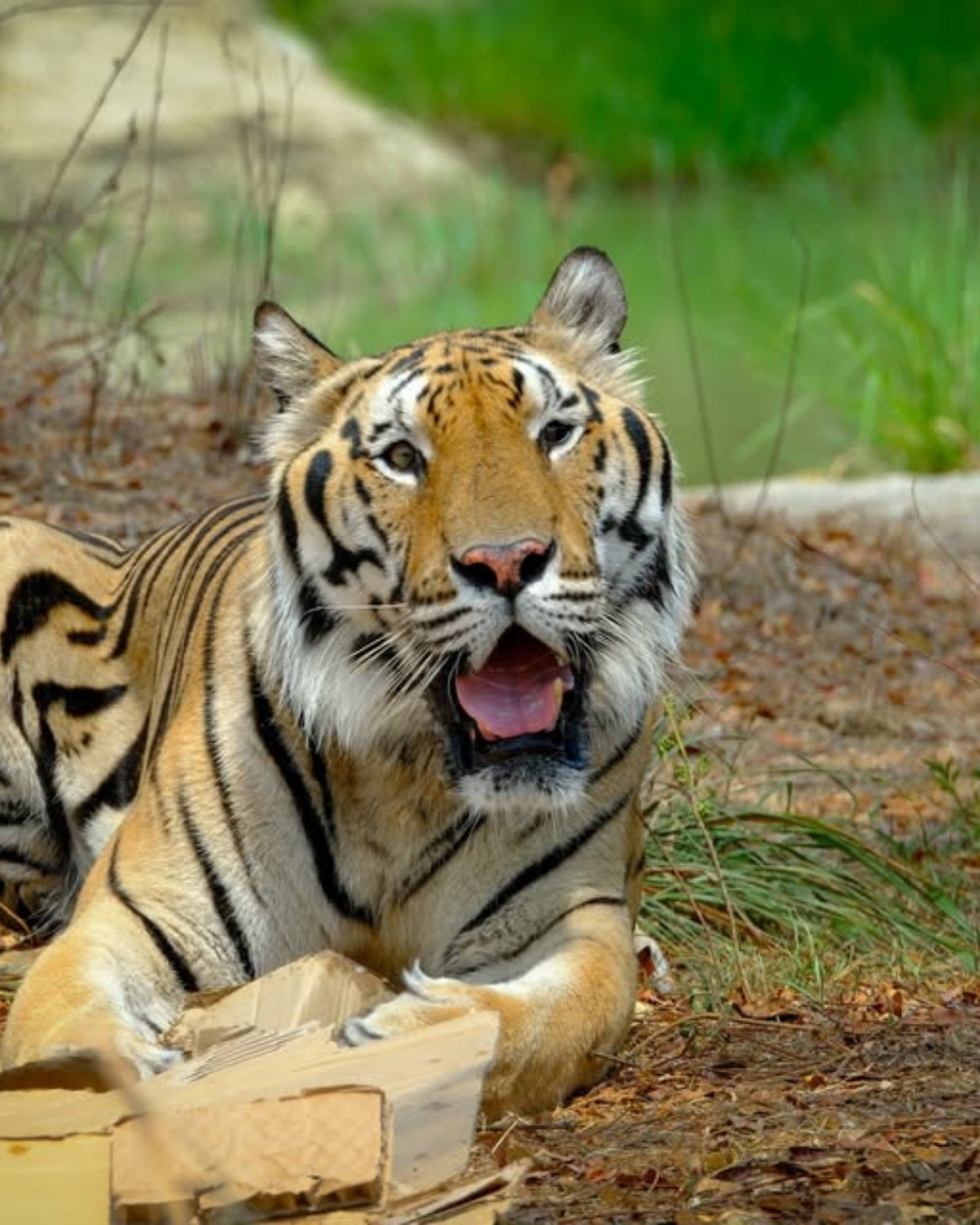
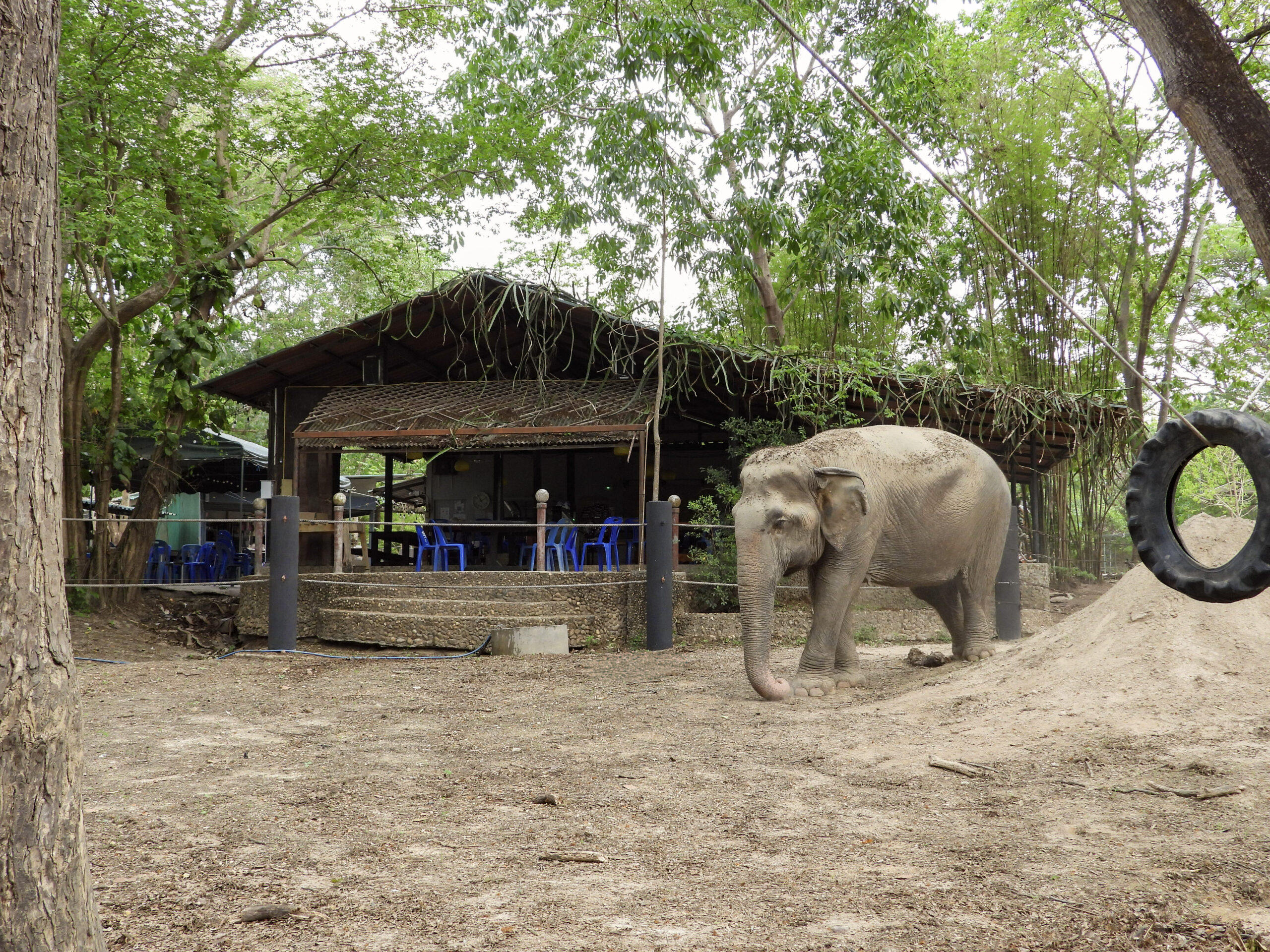
Thai Wildlife Rehabilitation & Care is a volunteer program in southern Thailand, supporting a rescue and education centre that cares for wildlife affected by neglect, exploitation, illegal trade and unsuitable captive conditions. Volunteers help with practical daily care tasks such as feeding, cleaning, enrichment, grounds work and enclosure maintenance, while learning about ethical wildlife rehabilitation, animal welfare and the centre’s wider mission to protect wild animals and their rainforest habitat. This is a meaningful opportunity to work behind the scenes in a busy wildlife care environment, where animal welfare always comes first. You’ll leave with a deeper understanding of the realities of wildlife rescue and the practical support needed to give animals a safer life.

Care for rescued wildlife in the heart of Thailand

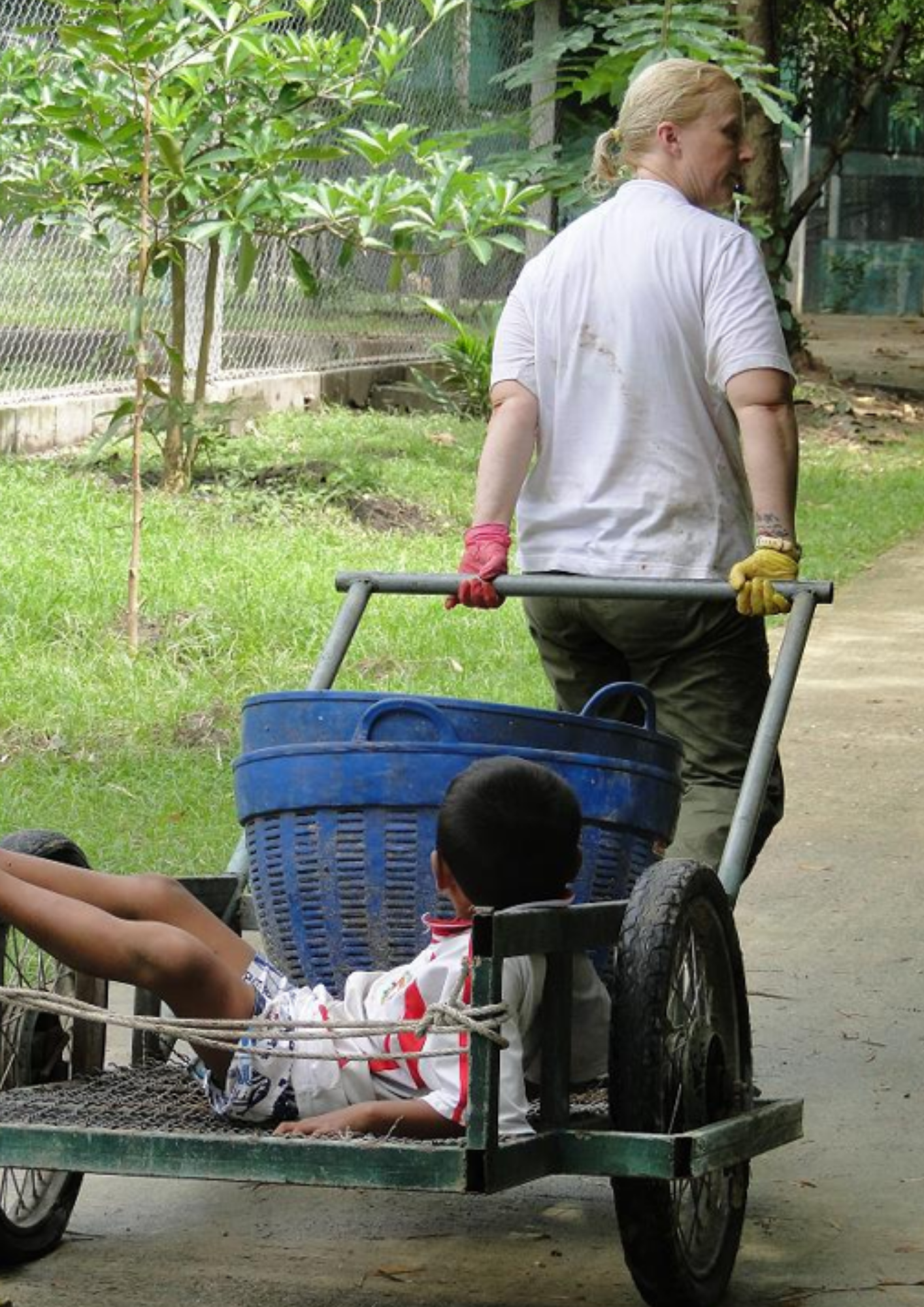
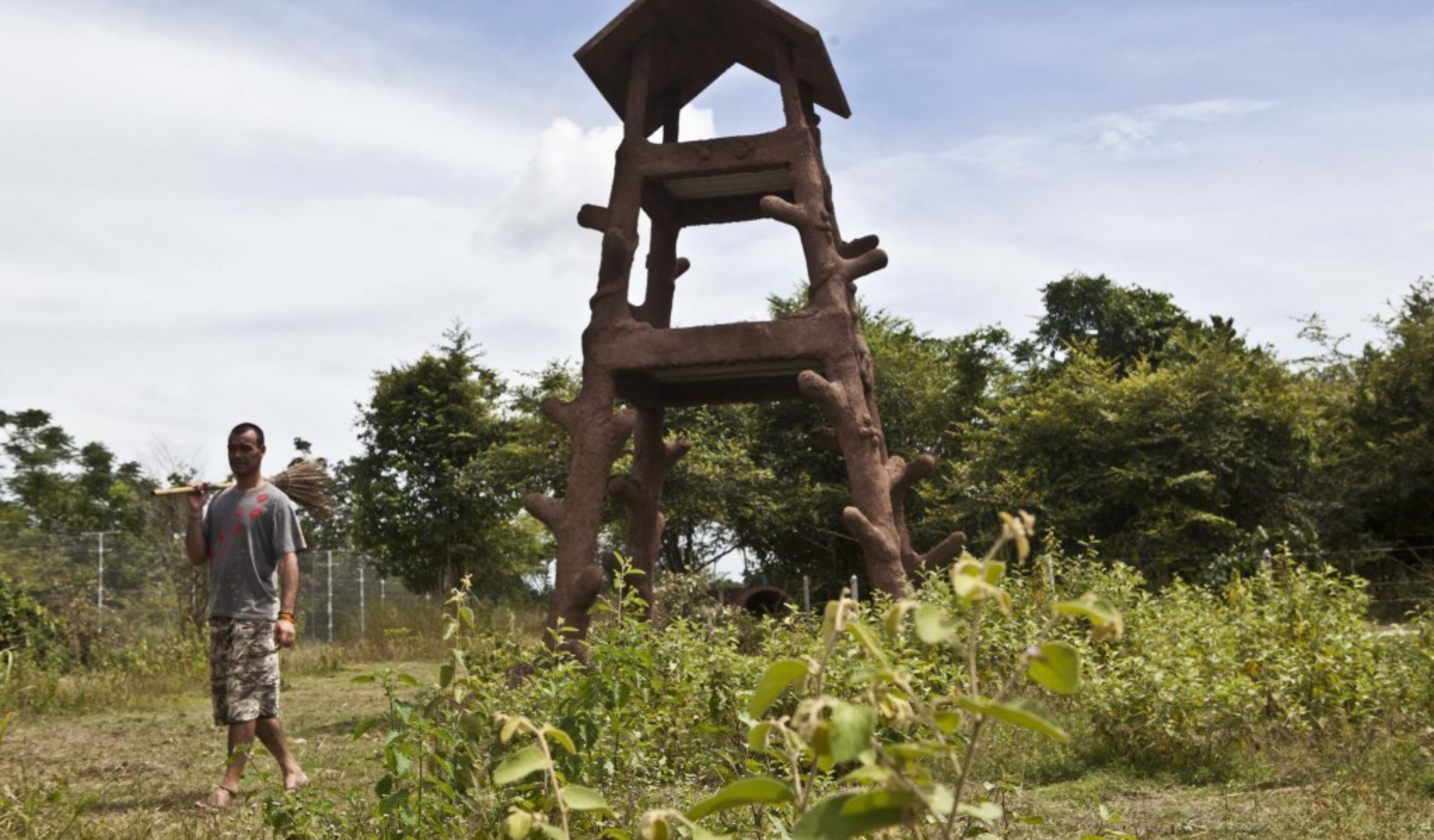
As a volunteer, you’ll support the daily care environment for rescued wildlife at the centre. Tasks may include feeding and watering animals, cleaning enclosures, preparing enrichment, planting trees, assisting with visitor education, helping maintain cages and enclosures, and keeping the centre grounds clean. Your contribution helps improve the welfare and quality of life of animals who have been rescued, surrendered or removed from harmful conditions

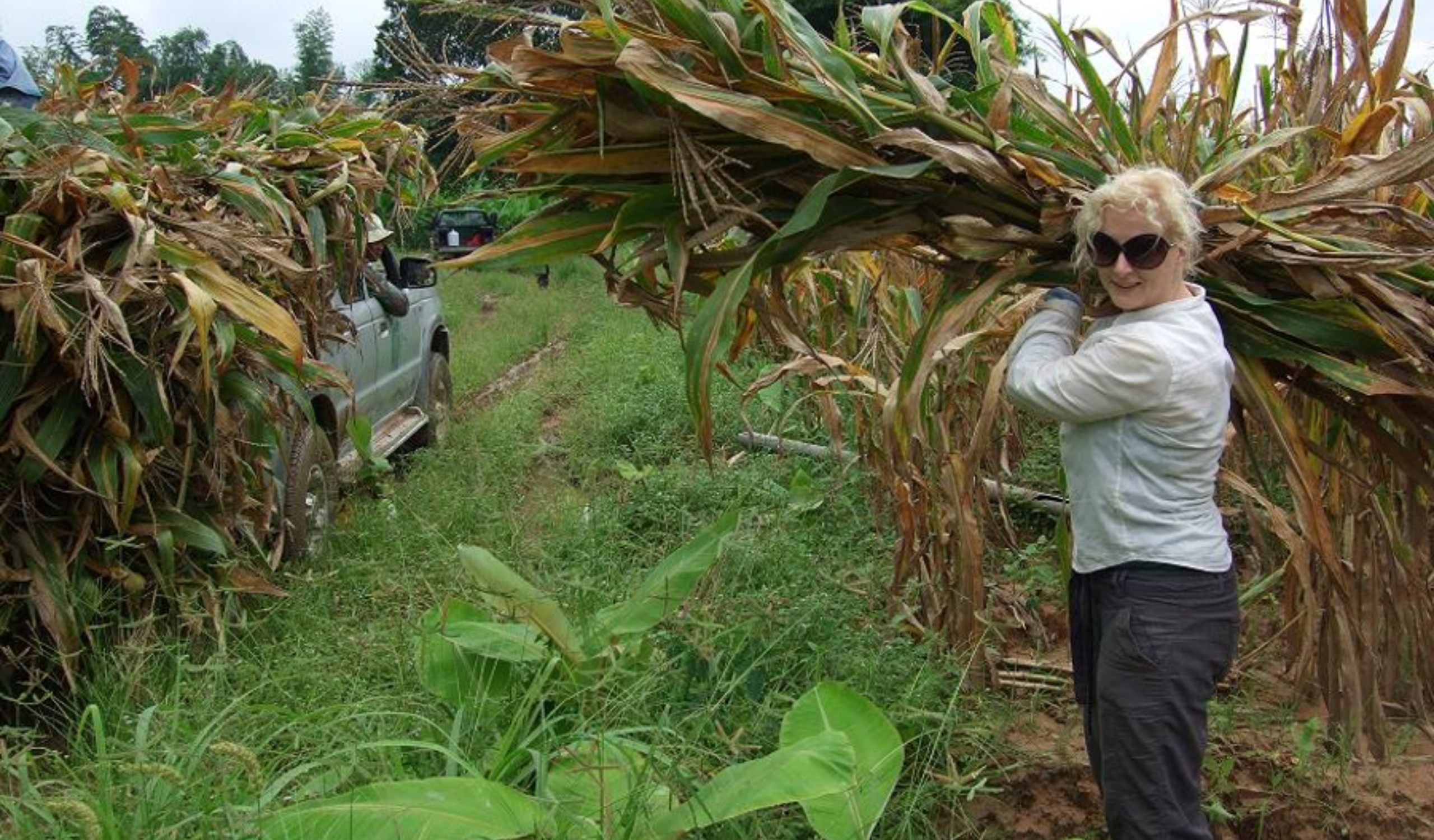
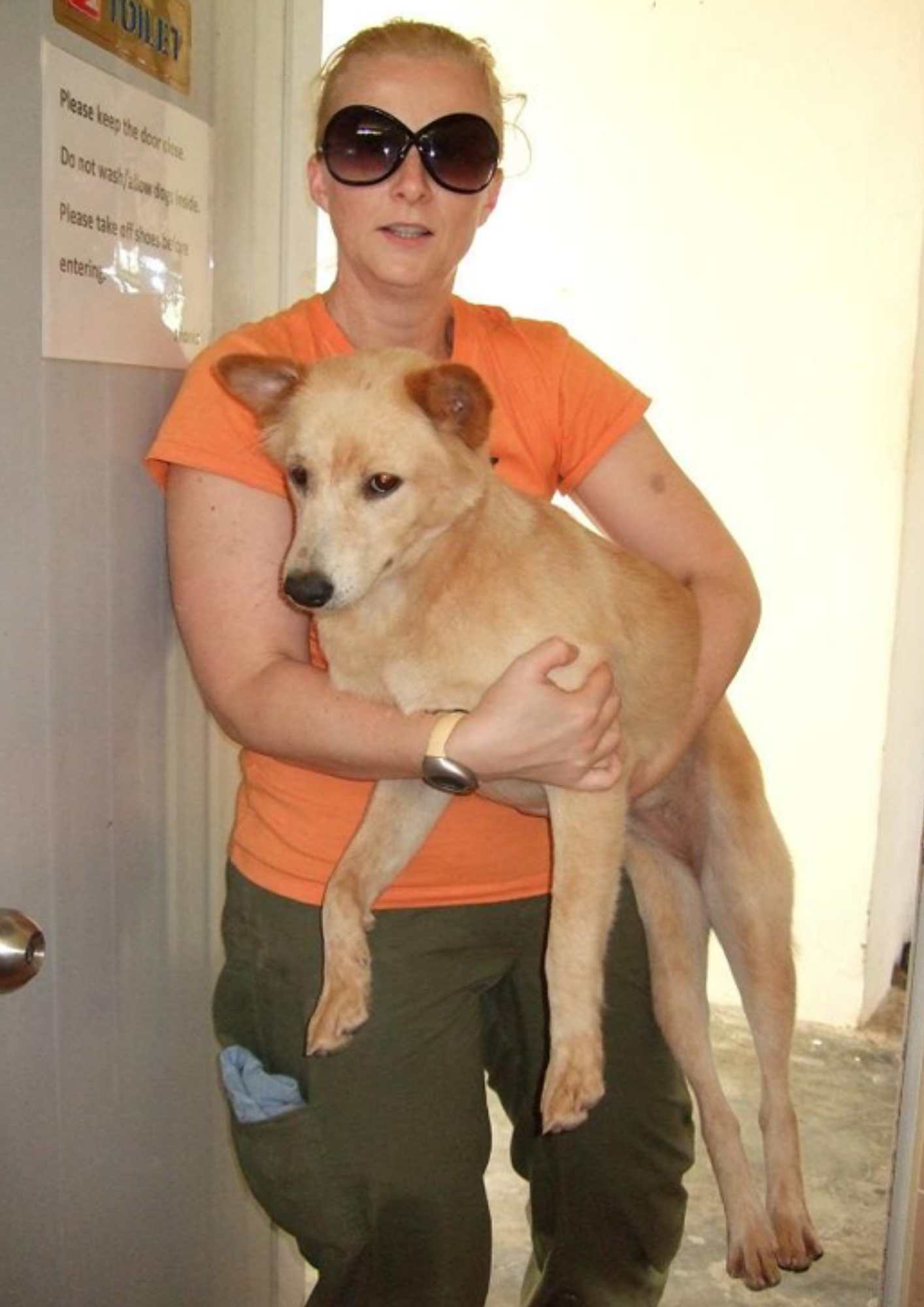
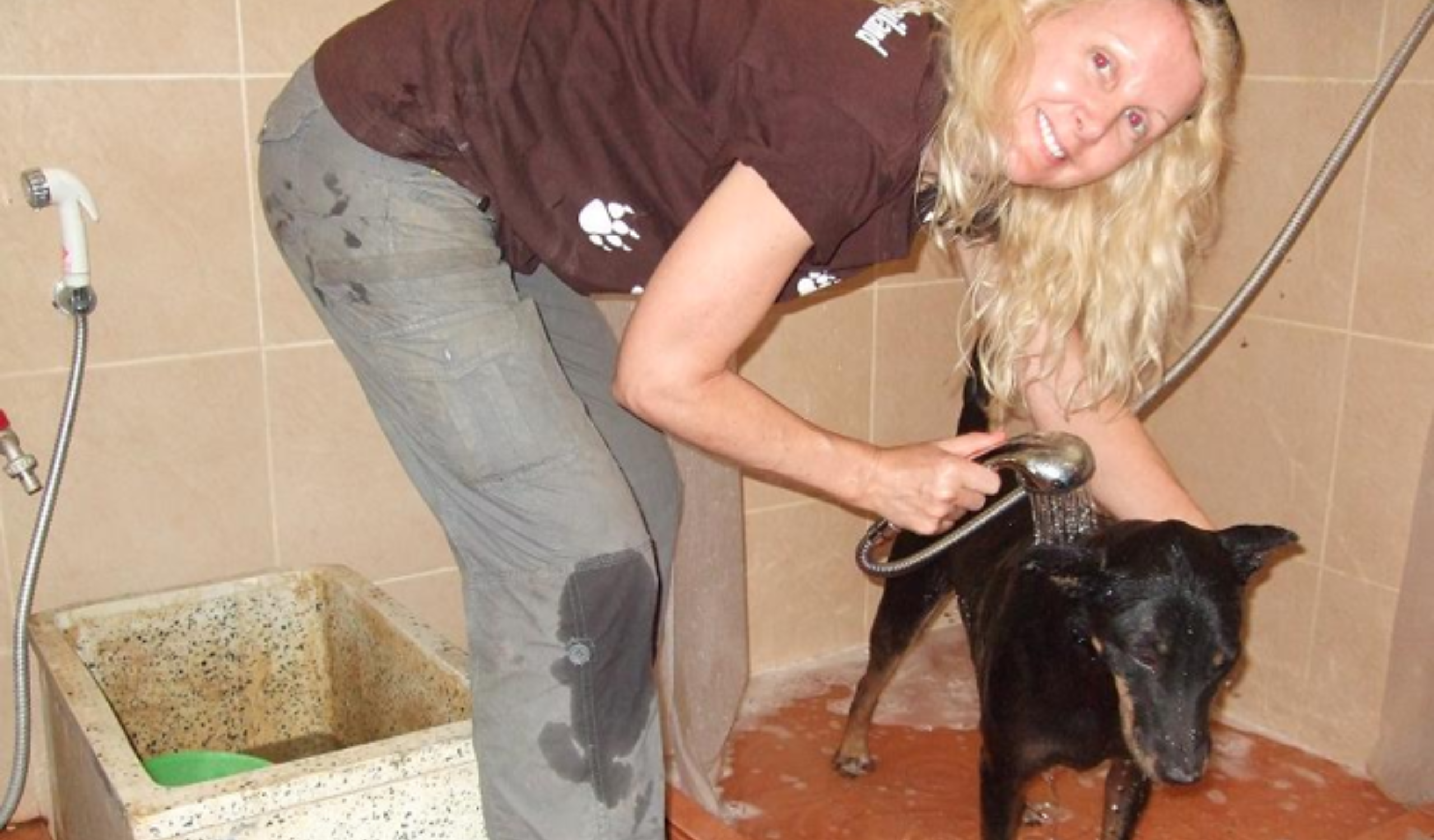
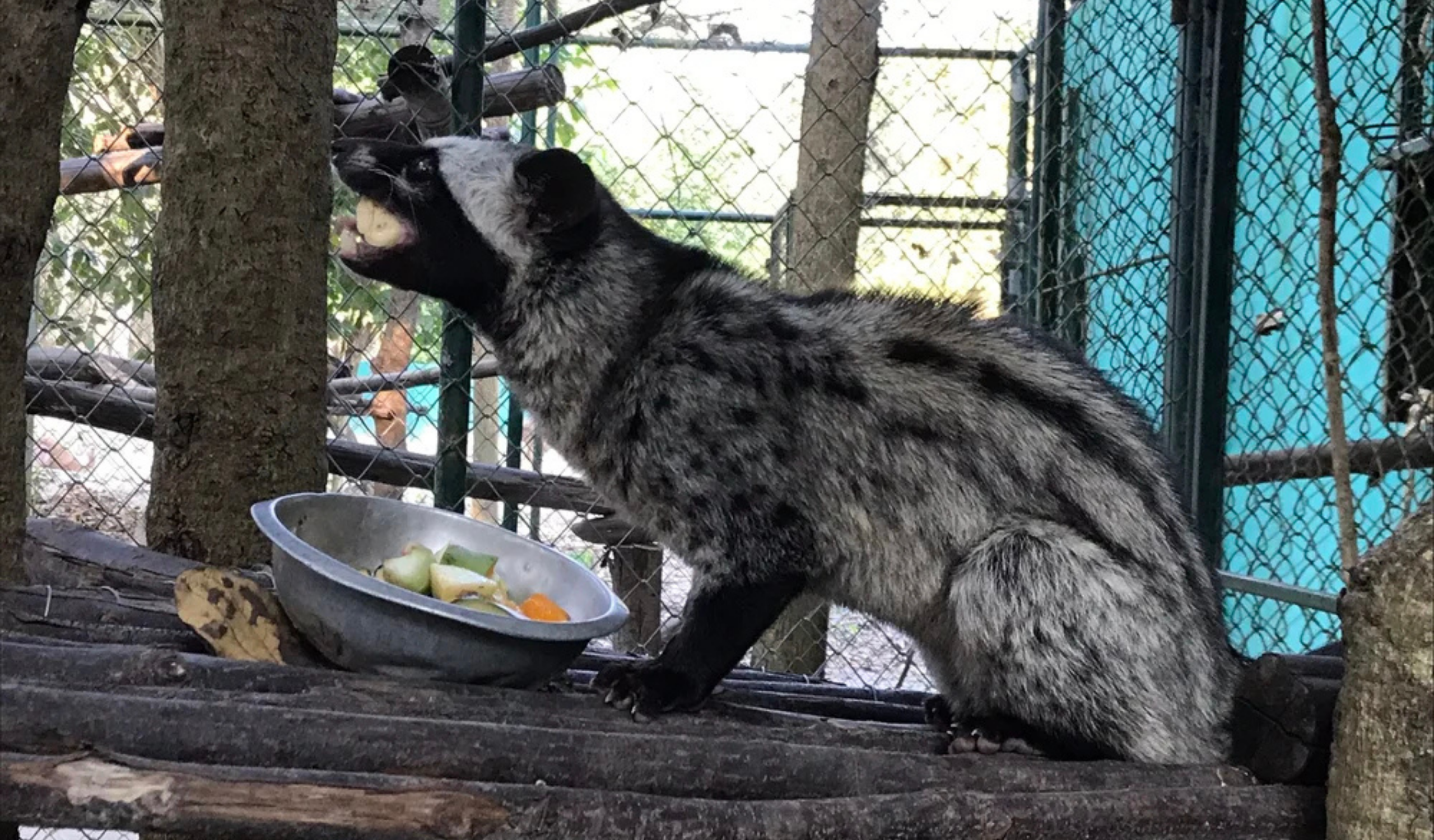
You’ll be involved in the daily routine of caring for resident wildlife. Animals are fed several times a day, so food preparation and feeding are key parts of the work. You may also help prepare enrichment activities, clean enclosures, collect and wash food bowls, sweep paths, support kitchen duties, help keep the volunteer house tidy, and assist with feeding, washing or grooming resident dogs. Although volunteers work near the animals, this is a strictly hands-off project for most wildlife.

Volunteers must be at least 18 years old.

No specific skills are required, but you should have a genuine love for animals, a strong work ethic and a real desire to help. You need to be in good physical condition, as the work is practical and takes place in a hot, humid environment. Volunteers should be patient, caring, open to new ideas and prepared to be challenged by different cultural views on animal treatment.

This project can be physically and emotionally demanding. The heat and humidity can be challenging, especially during the wet season, and the work may involve caring for animals who have experienced sickness, abuse or neglect. You’ll be working alongside like-minded people who understand these emotions and can support you, but it is important to arrive prepared for the realities of wildlife rescue and rehabilitation.
Start dates are available Sunday to Sunday, year-round

The minimum placement duration is 1 week. Longer stays may be available depending on project needs and availability.

Volunteers usually work 6 days per week, from approximately 6:30am to 5:00pm. Daily tasks and timing may vary depending on animal needs, weather, staffing and centre priorities.

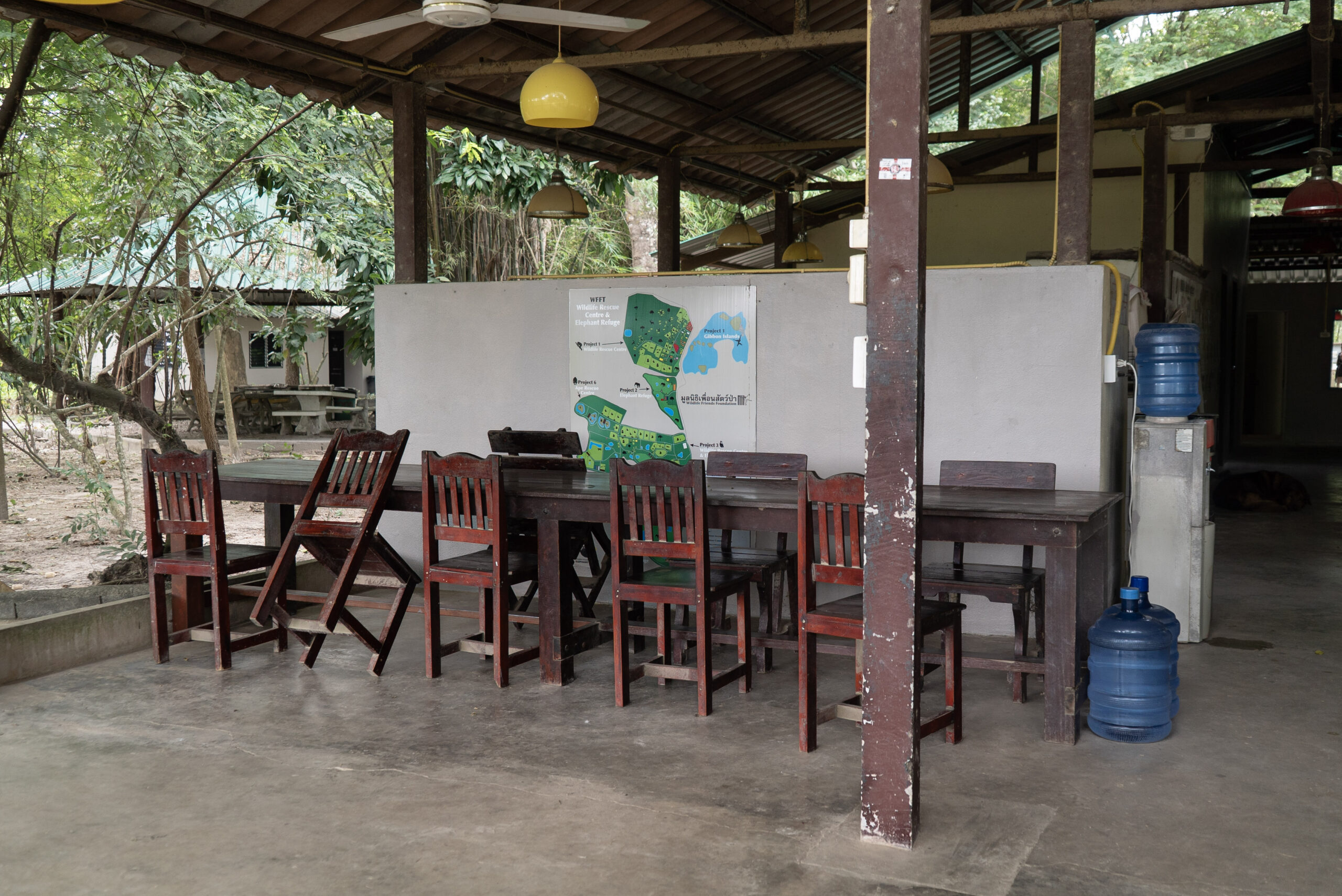
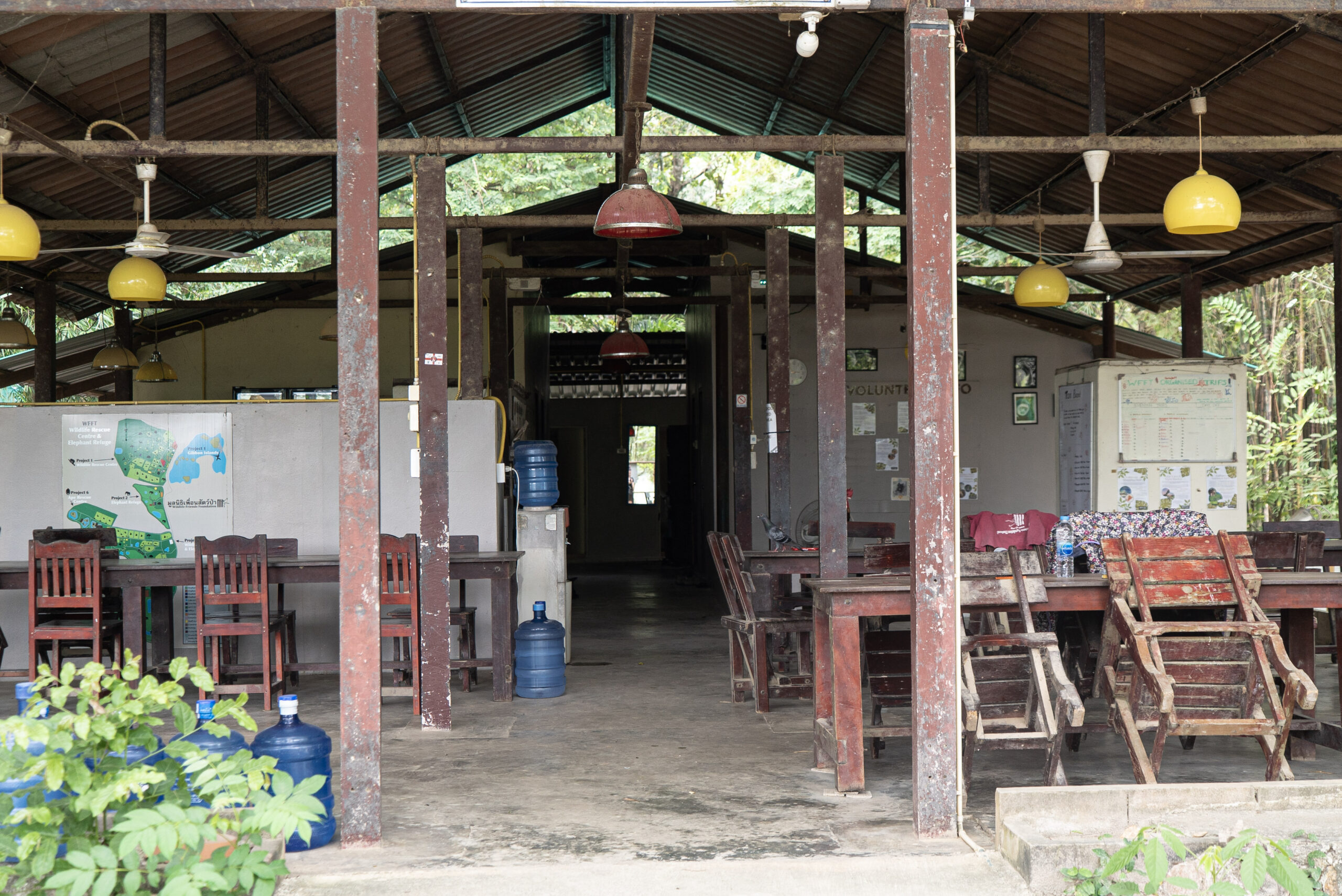
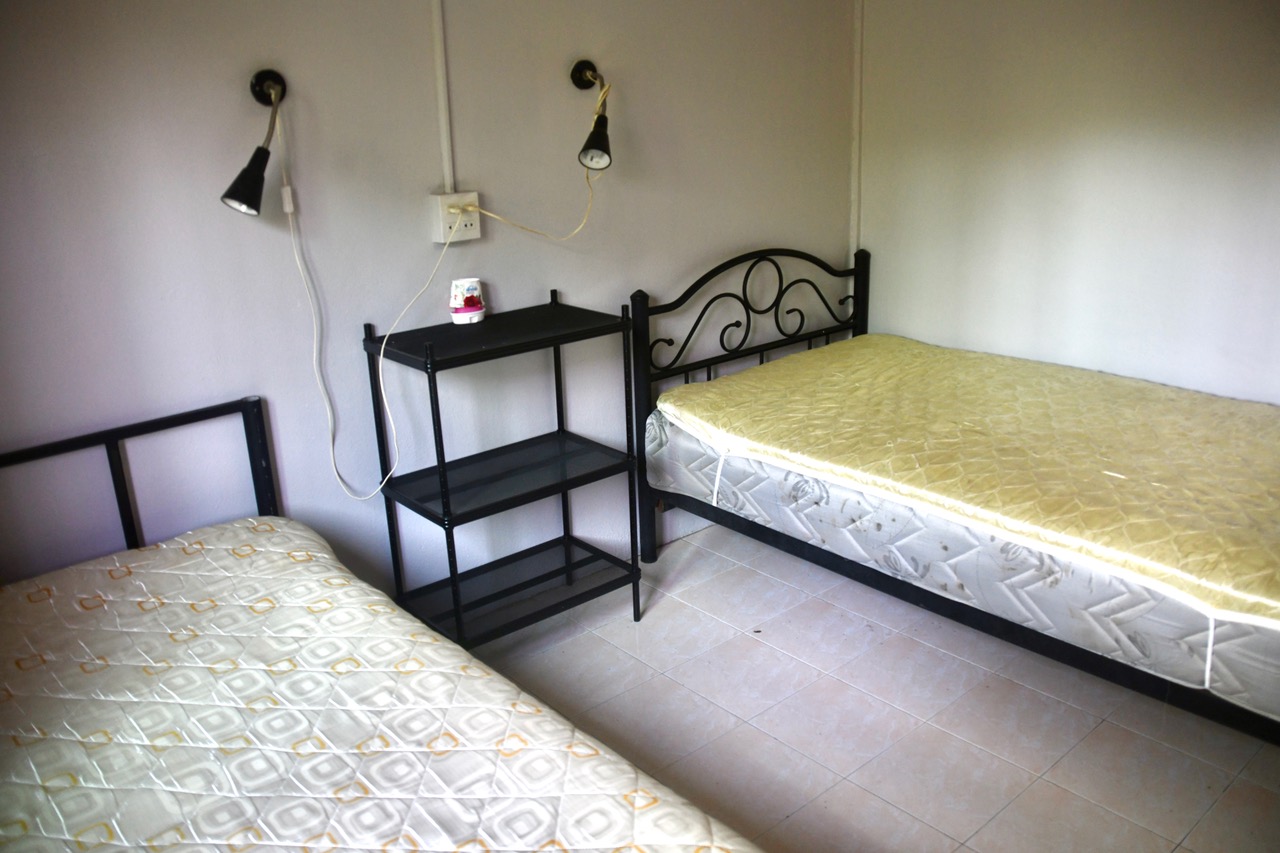
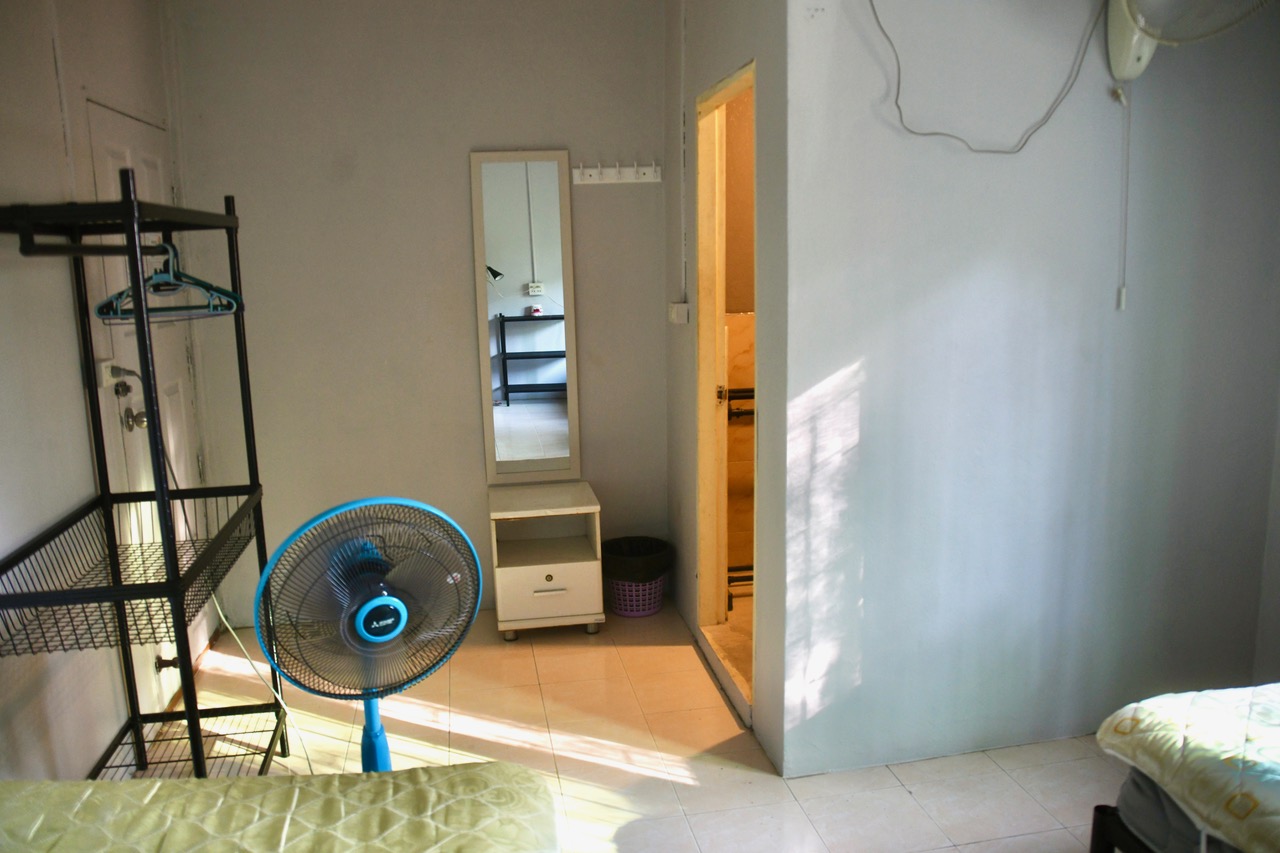
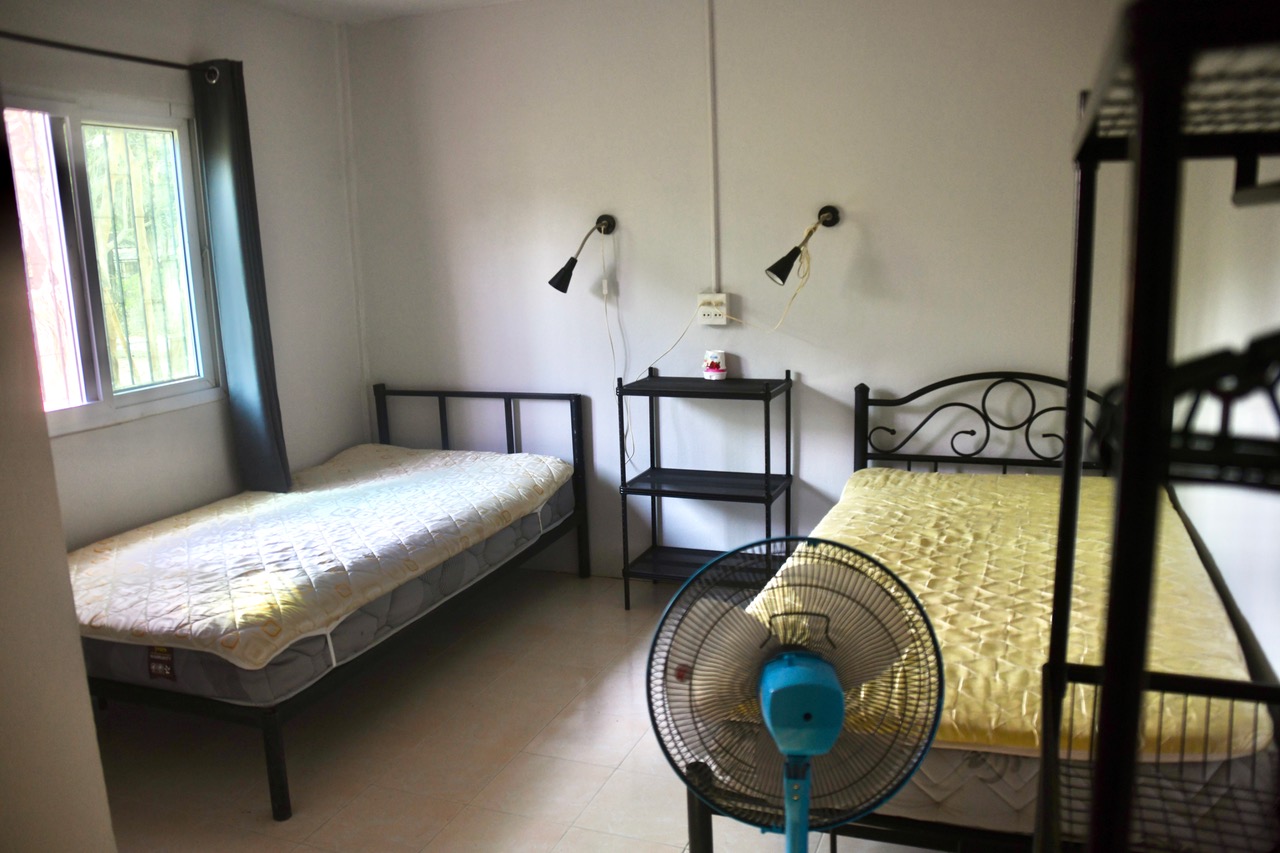
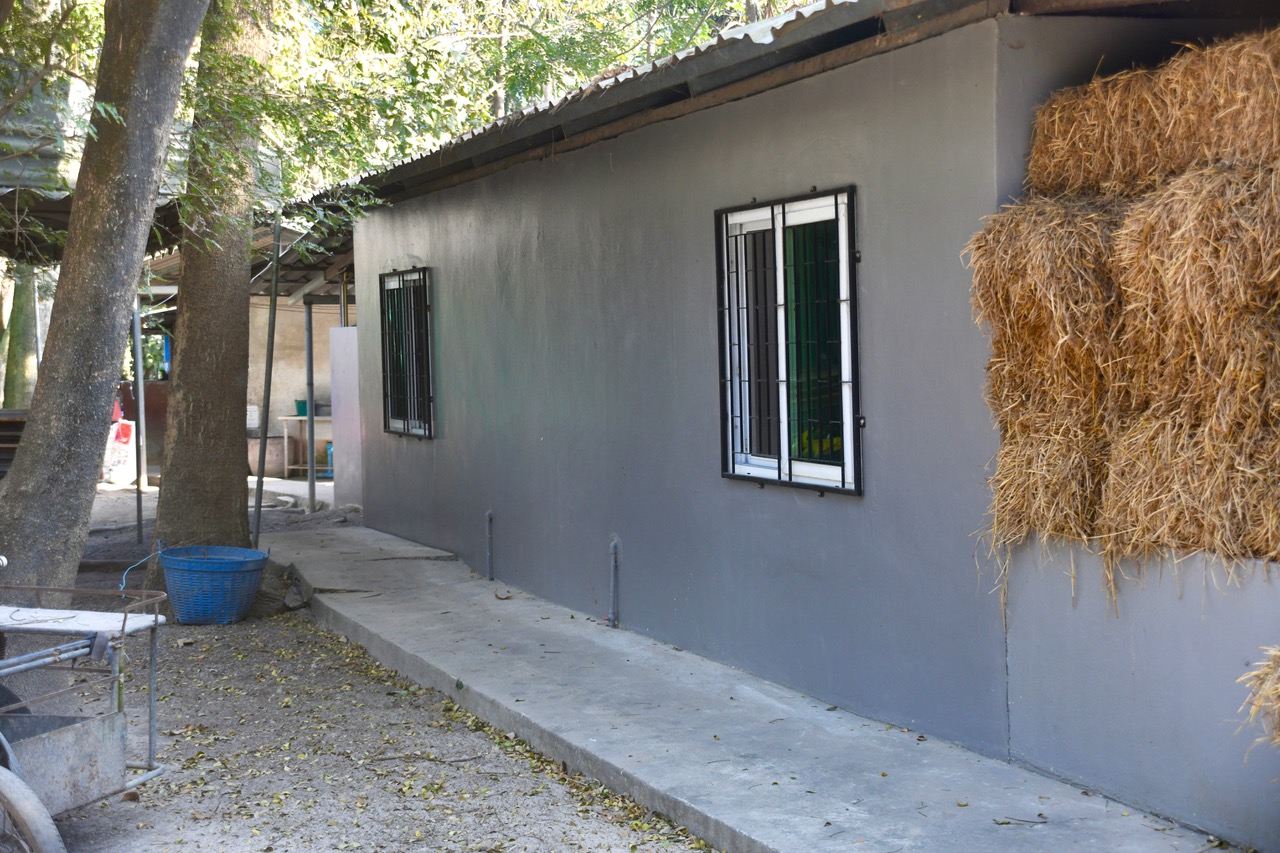
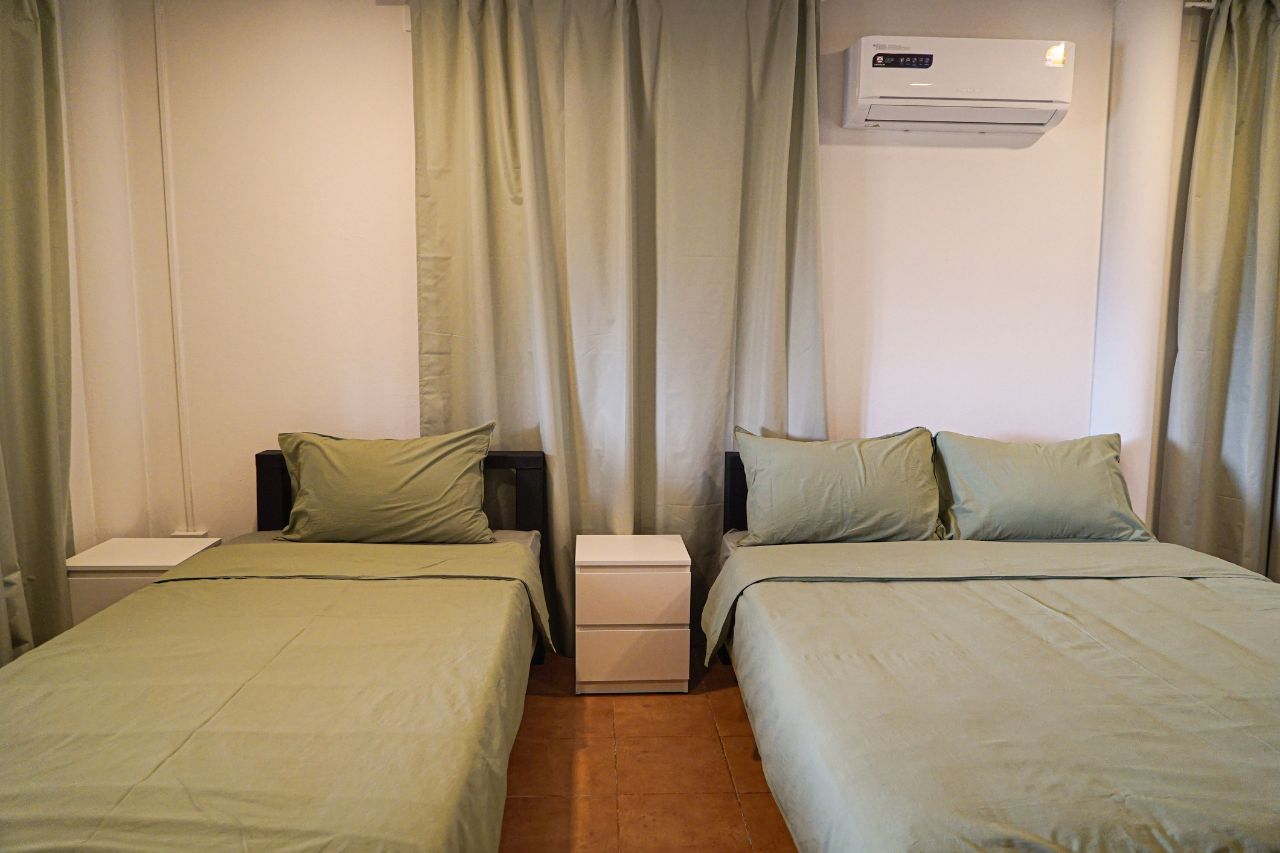
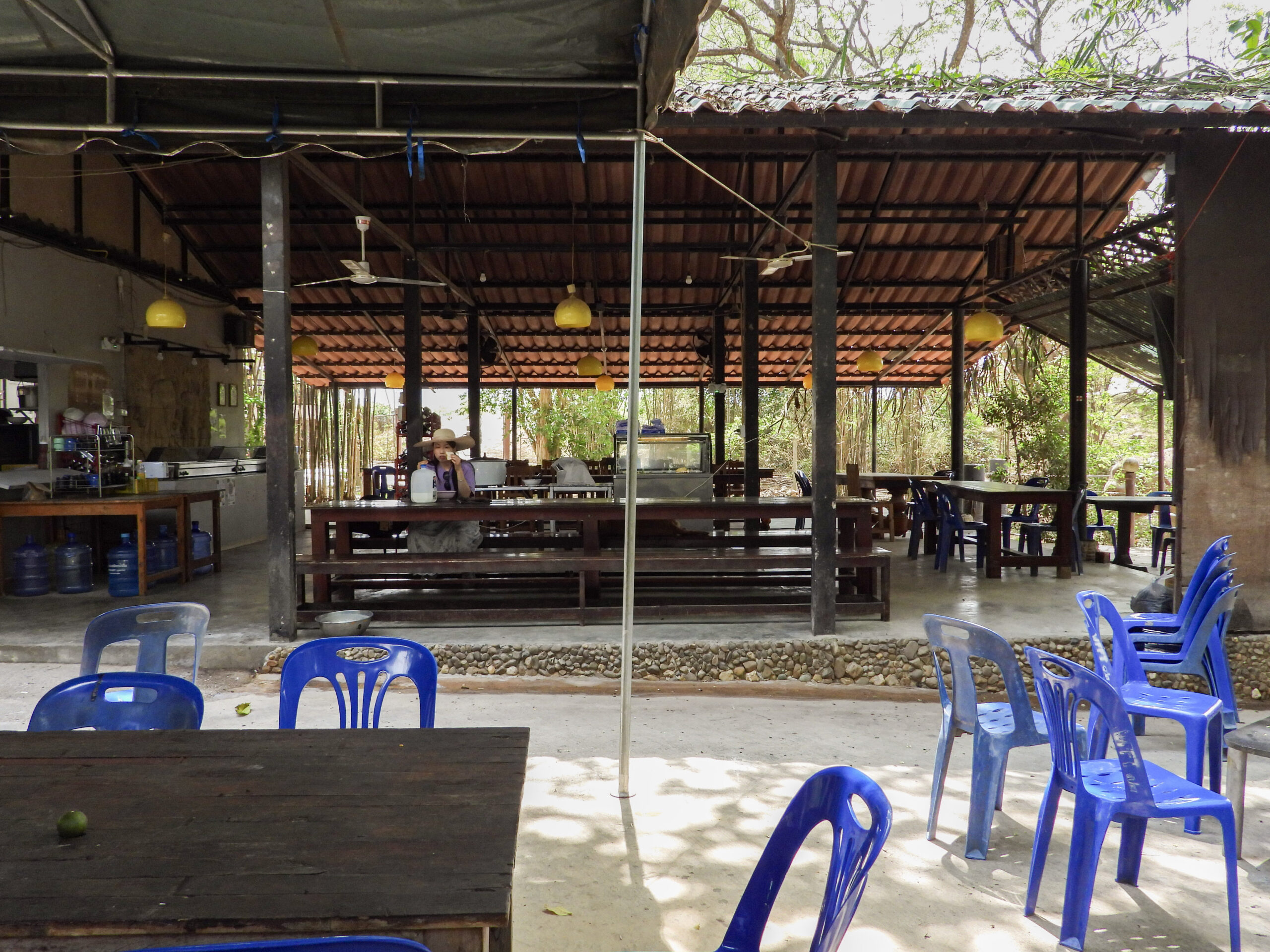
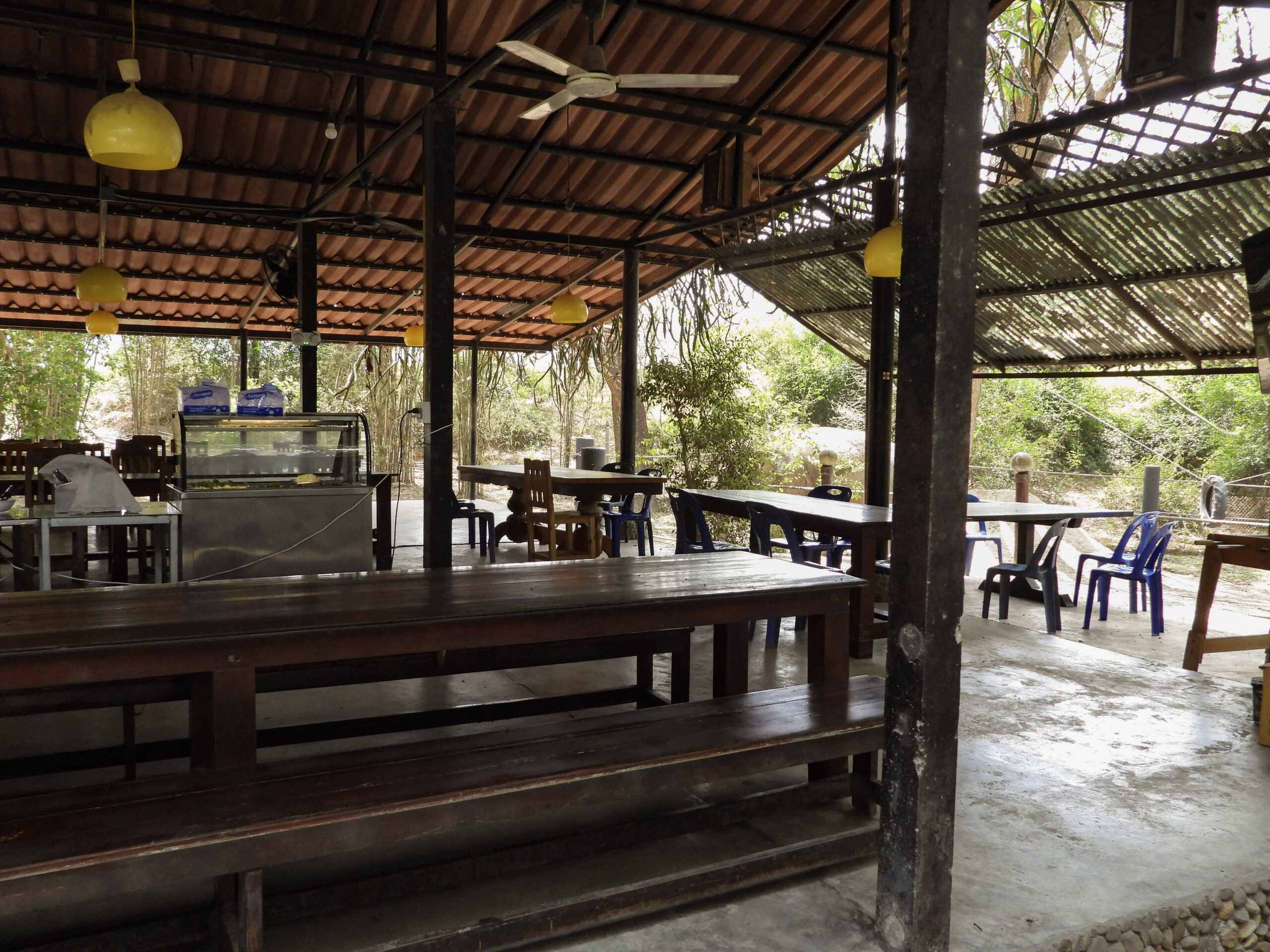
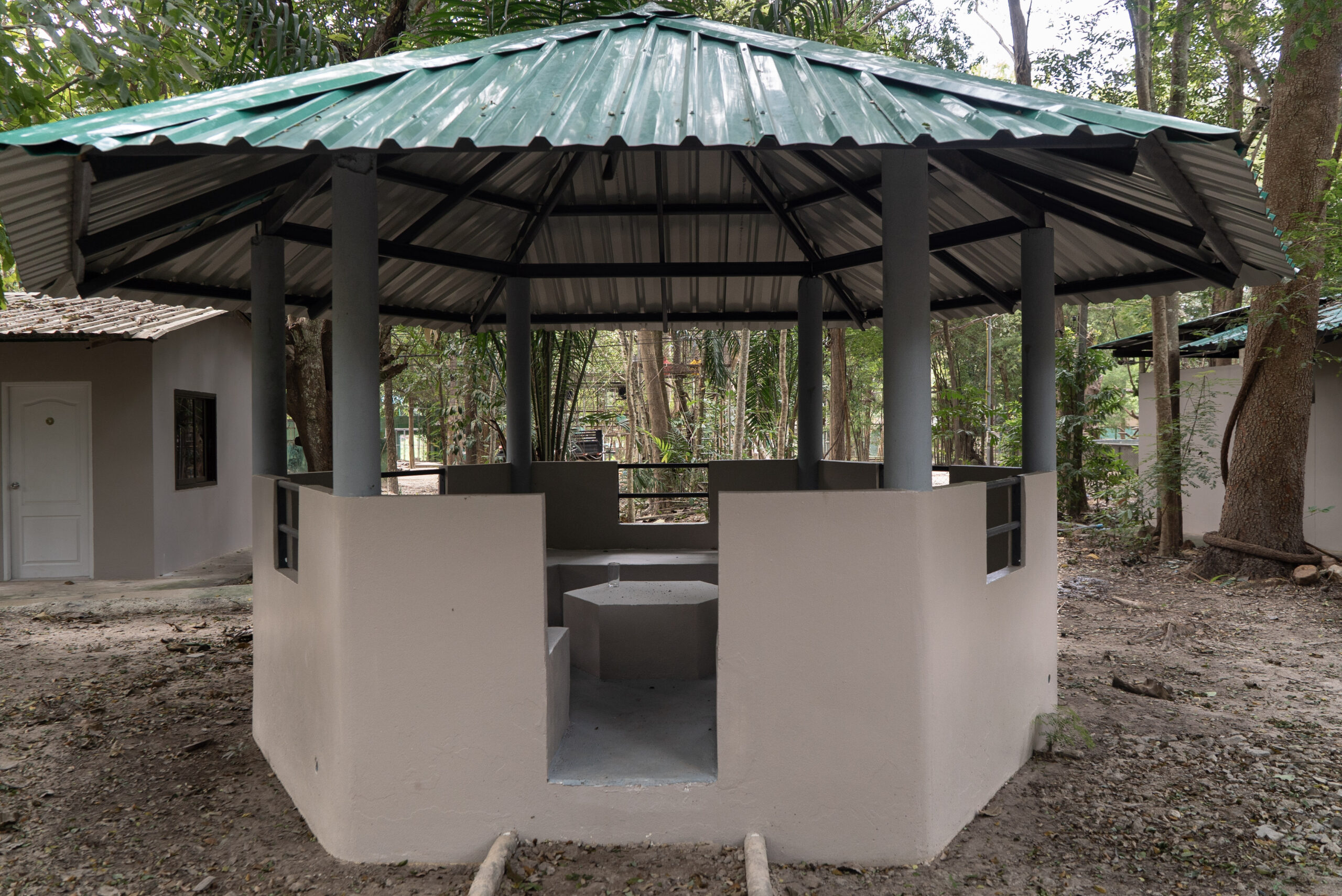
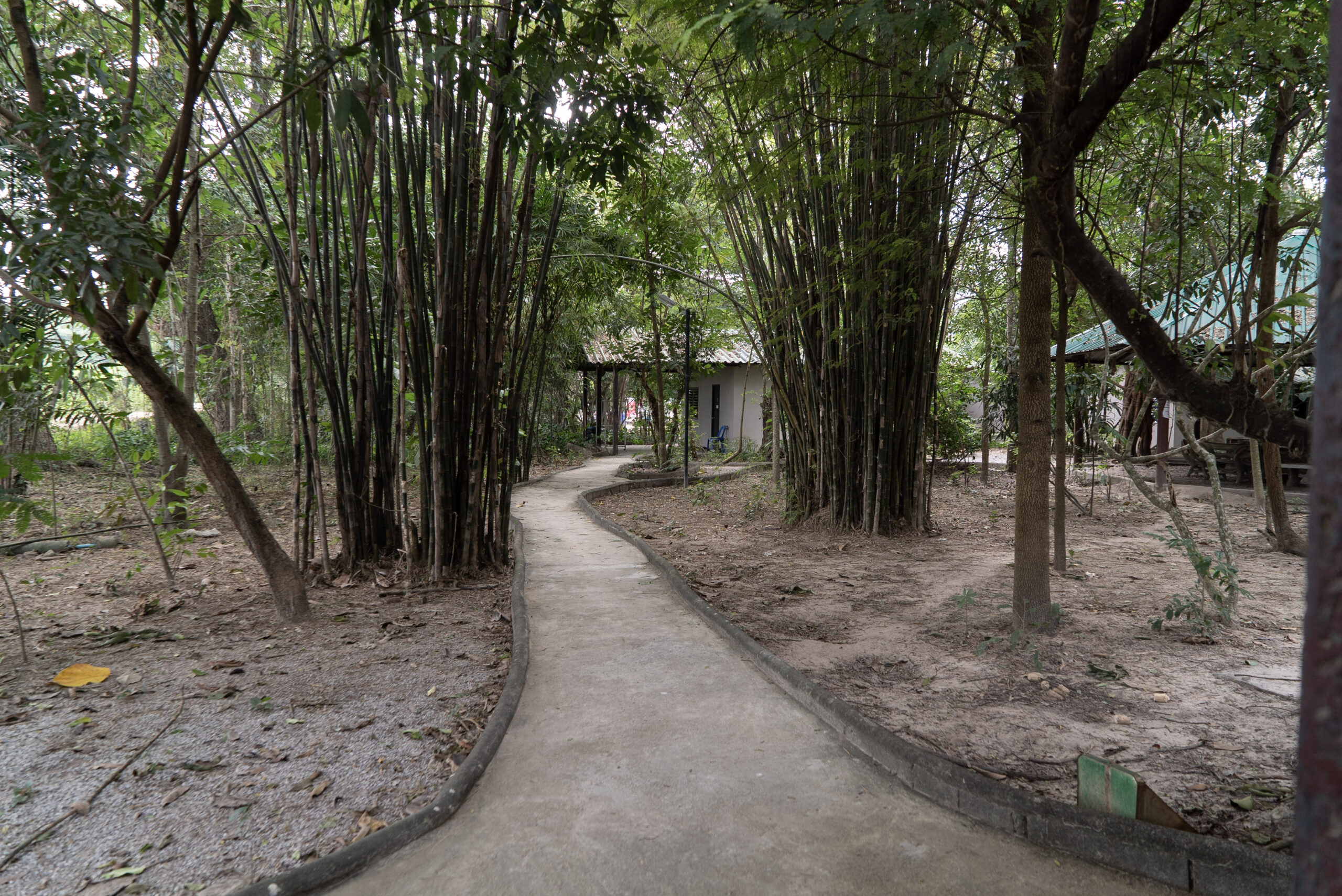
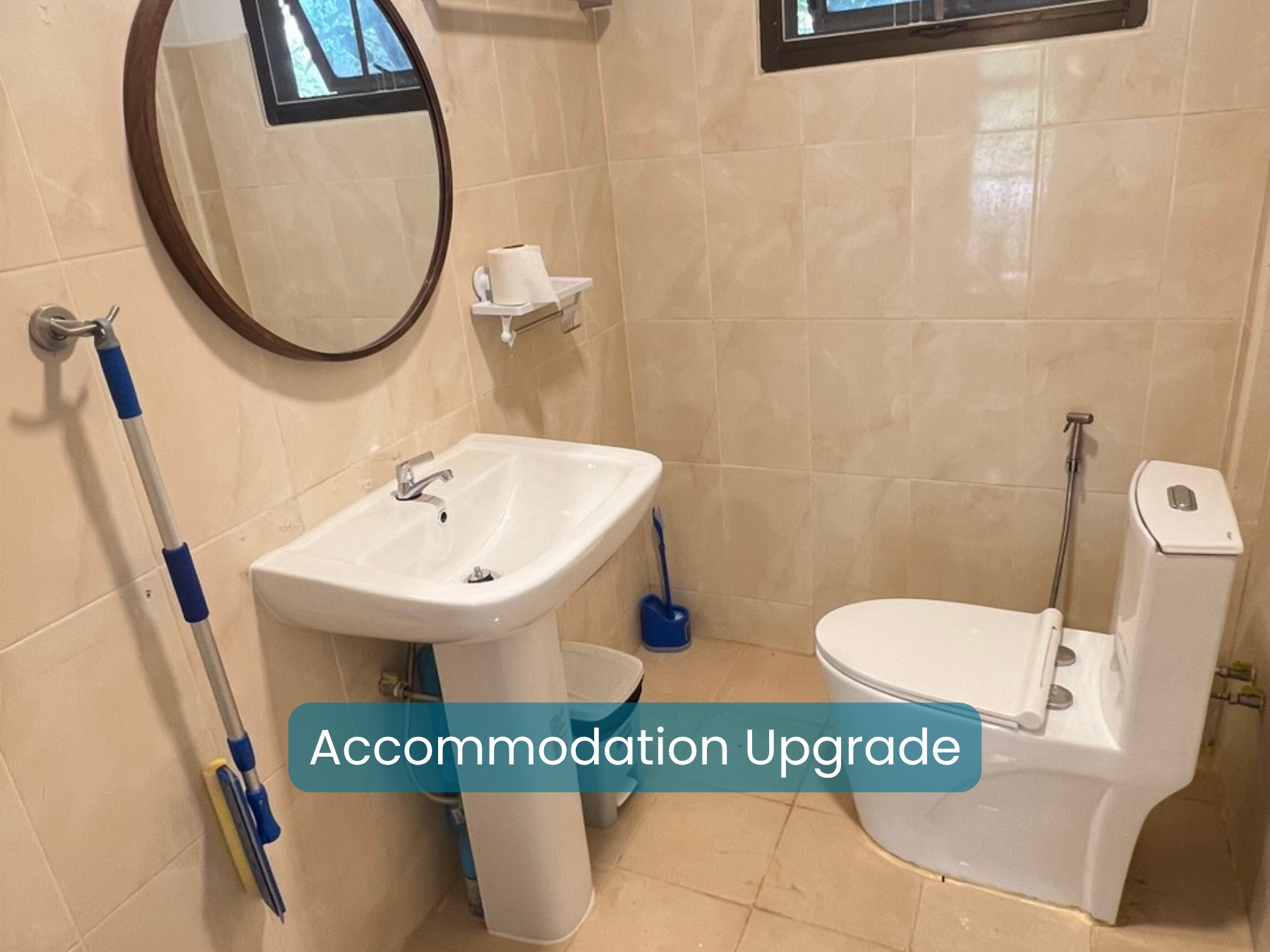
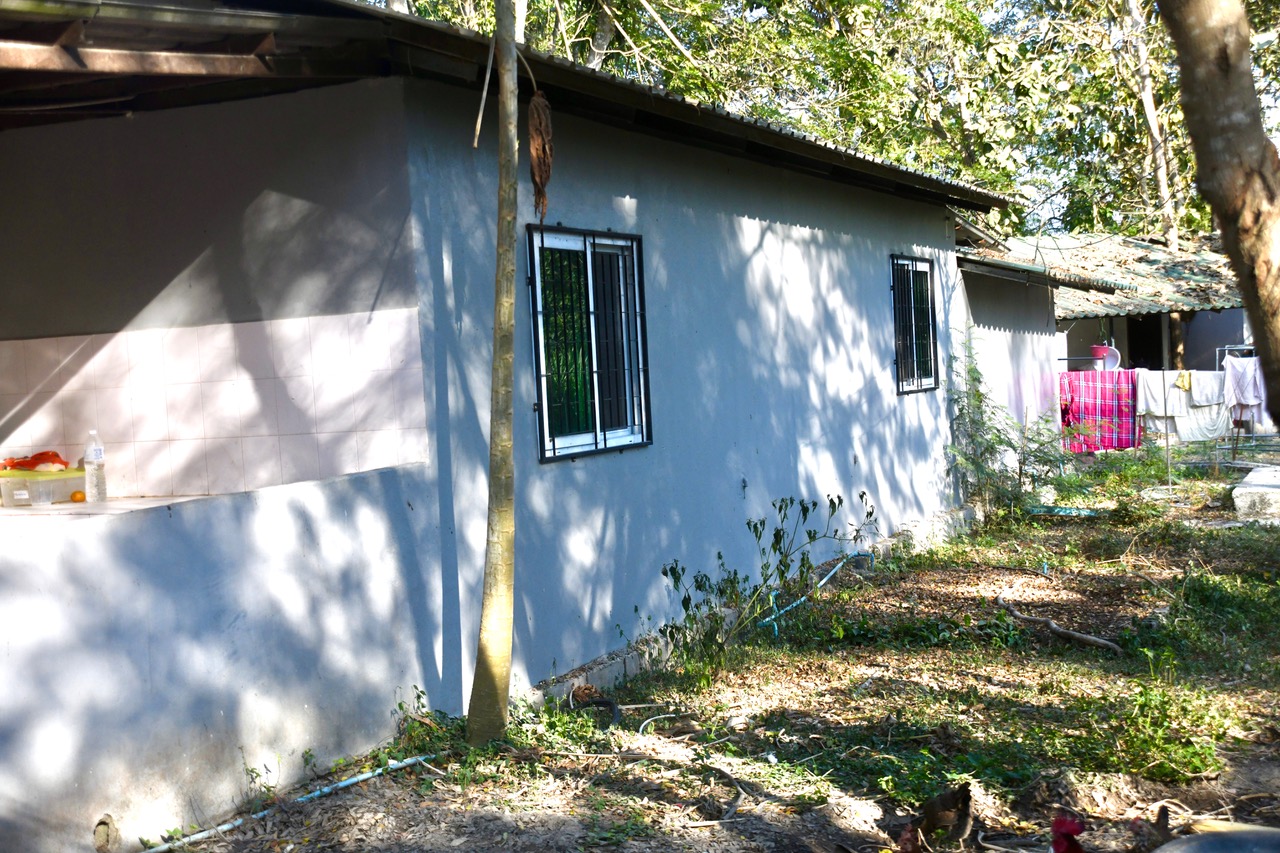
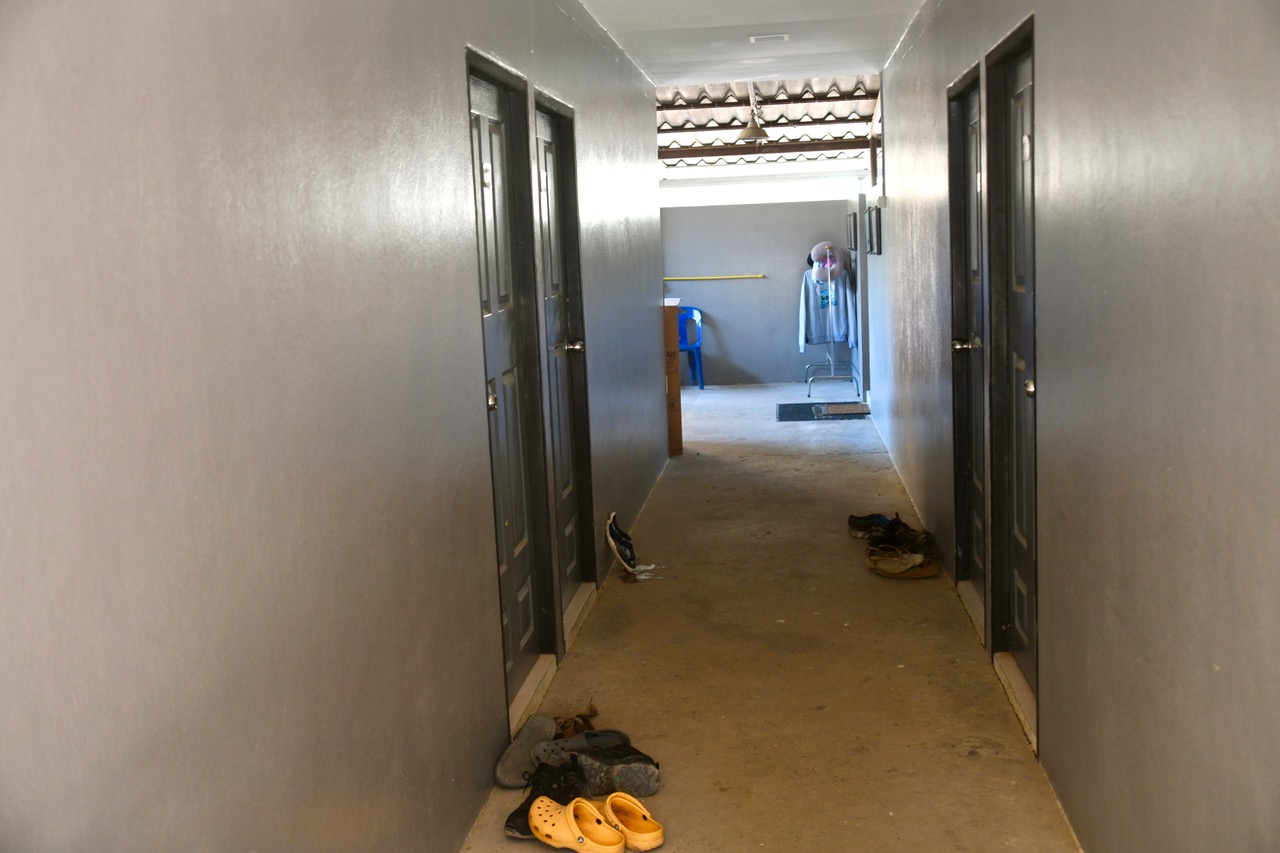
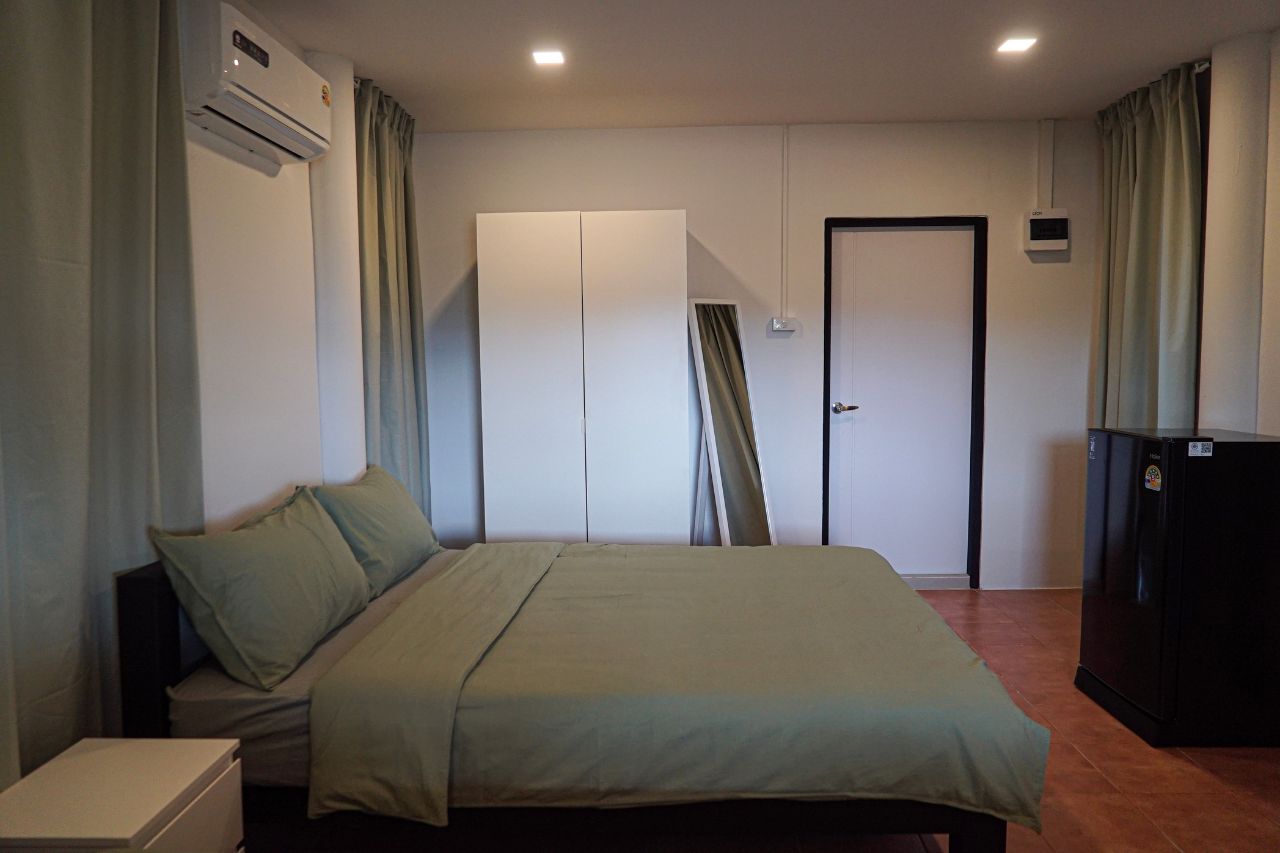
Volunteers stay in basic shared rooms on site at the centre, usually with 2–4 people per room. Accommodation is simple and practical, suited to the nature of the project and the working sanctuary environment.

Room upgrades may be available, but places are limited, so you’ll need to request one early. The upgrade also includes a day at the Love Elephants Centre, giving you an additional opportunity to learn about ethical elephant care during your time in Thailand.

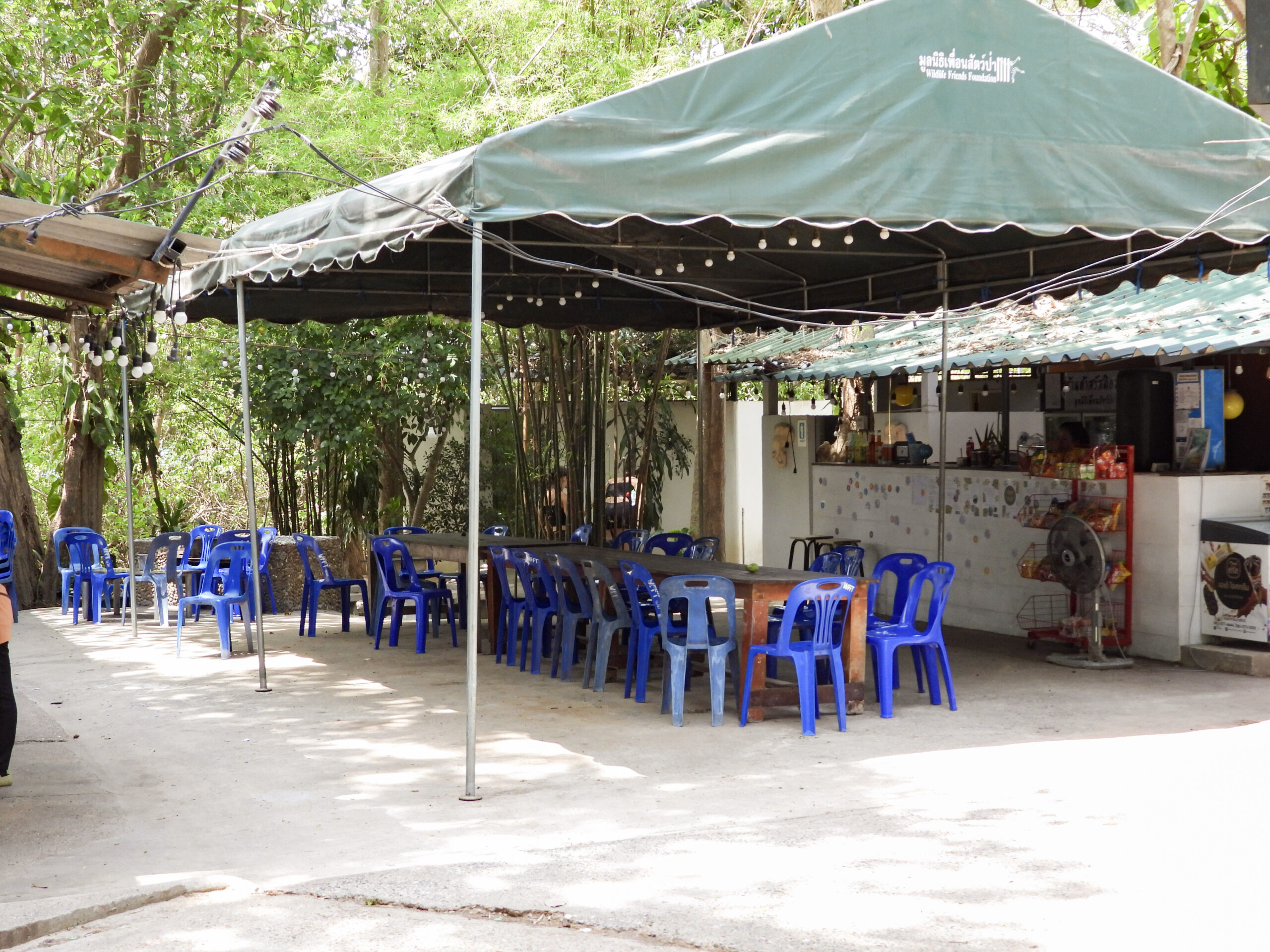
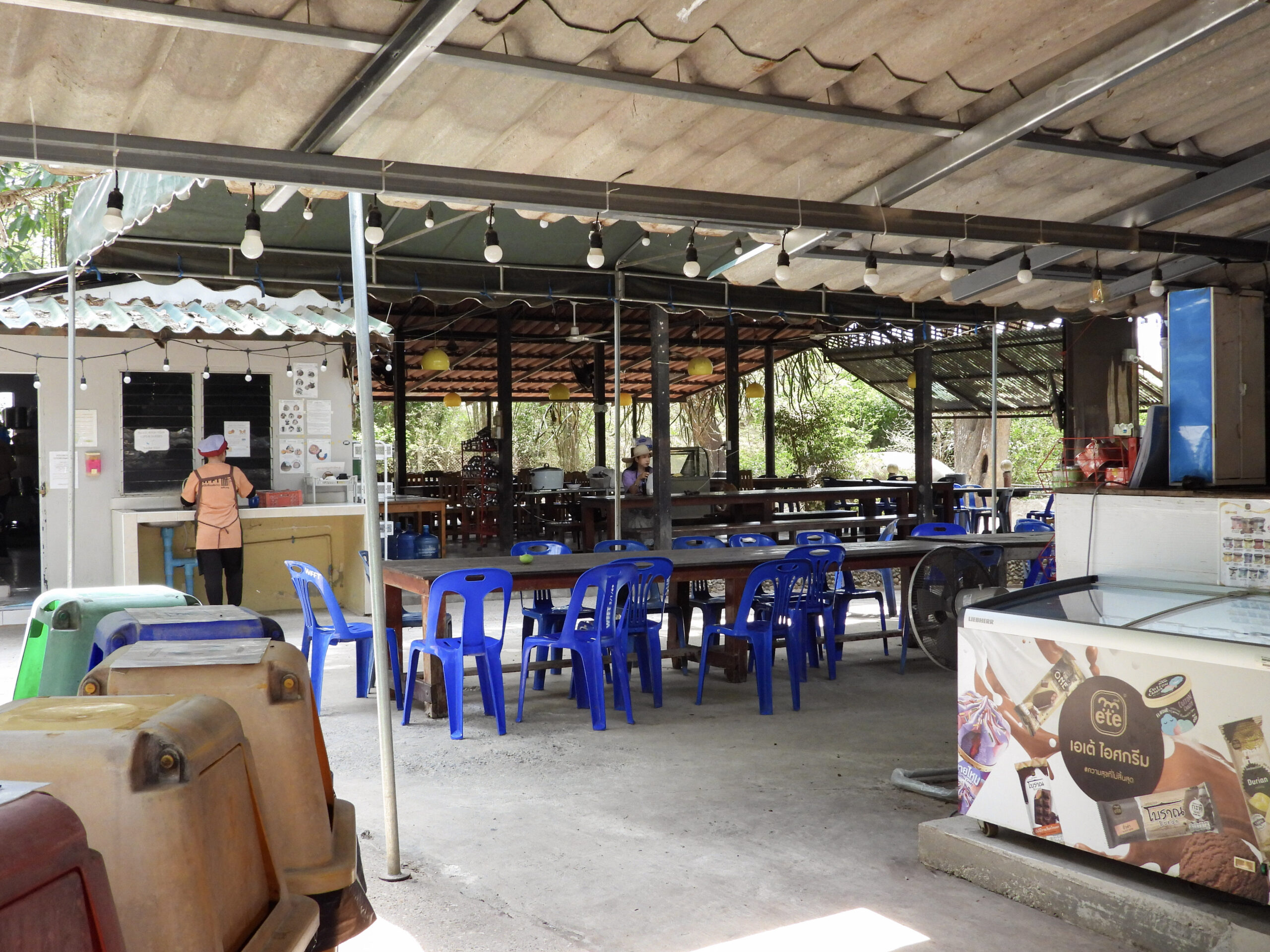
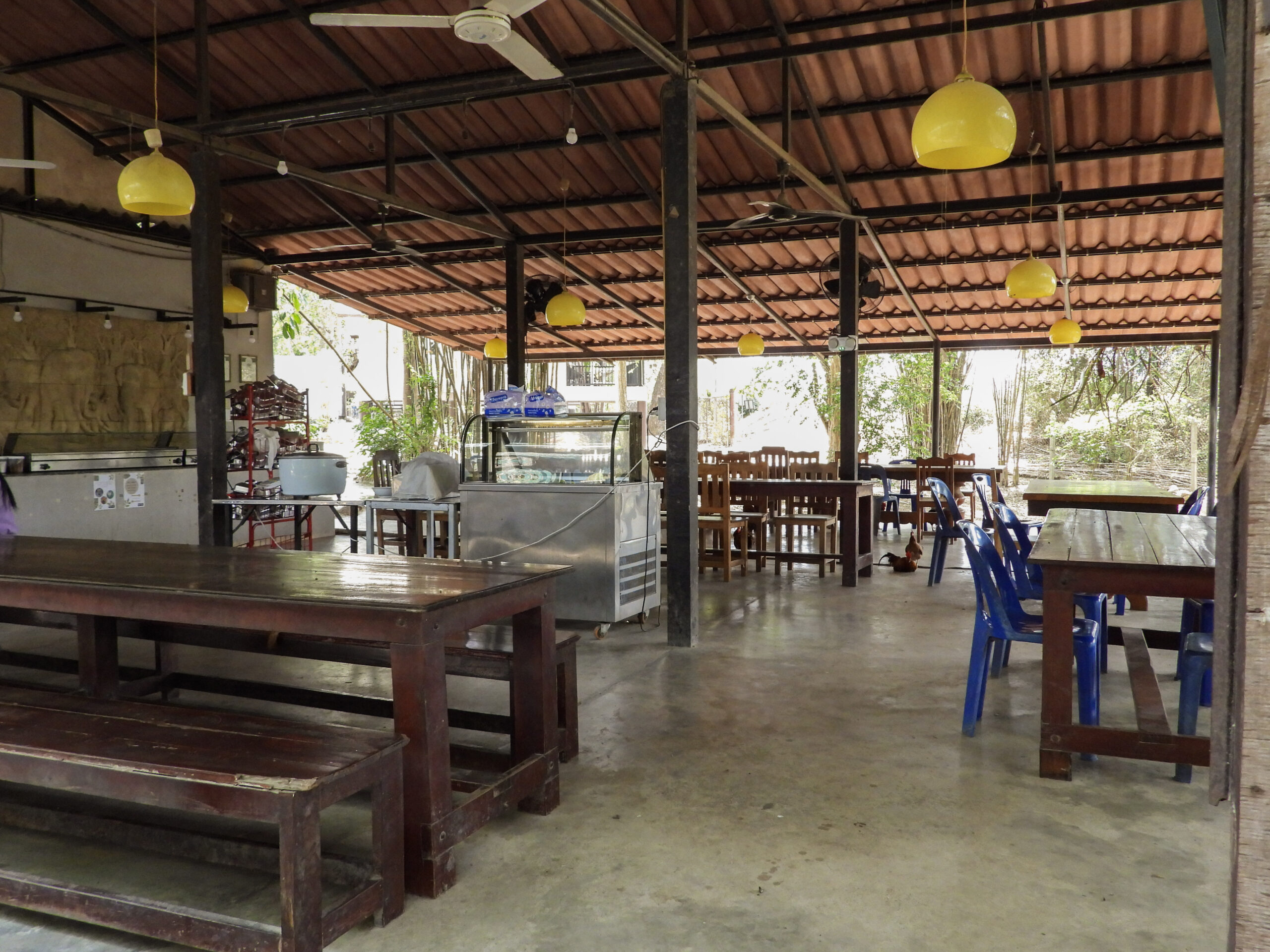
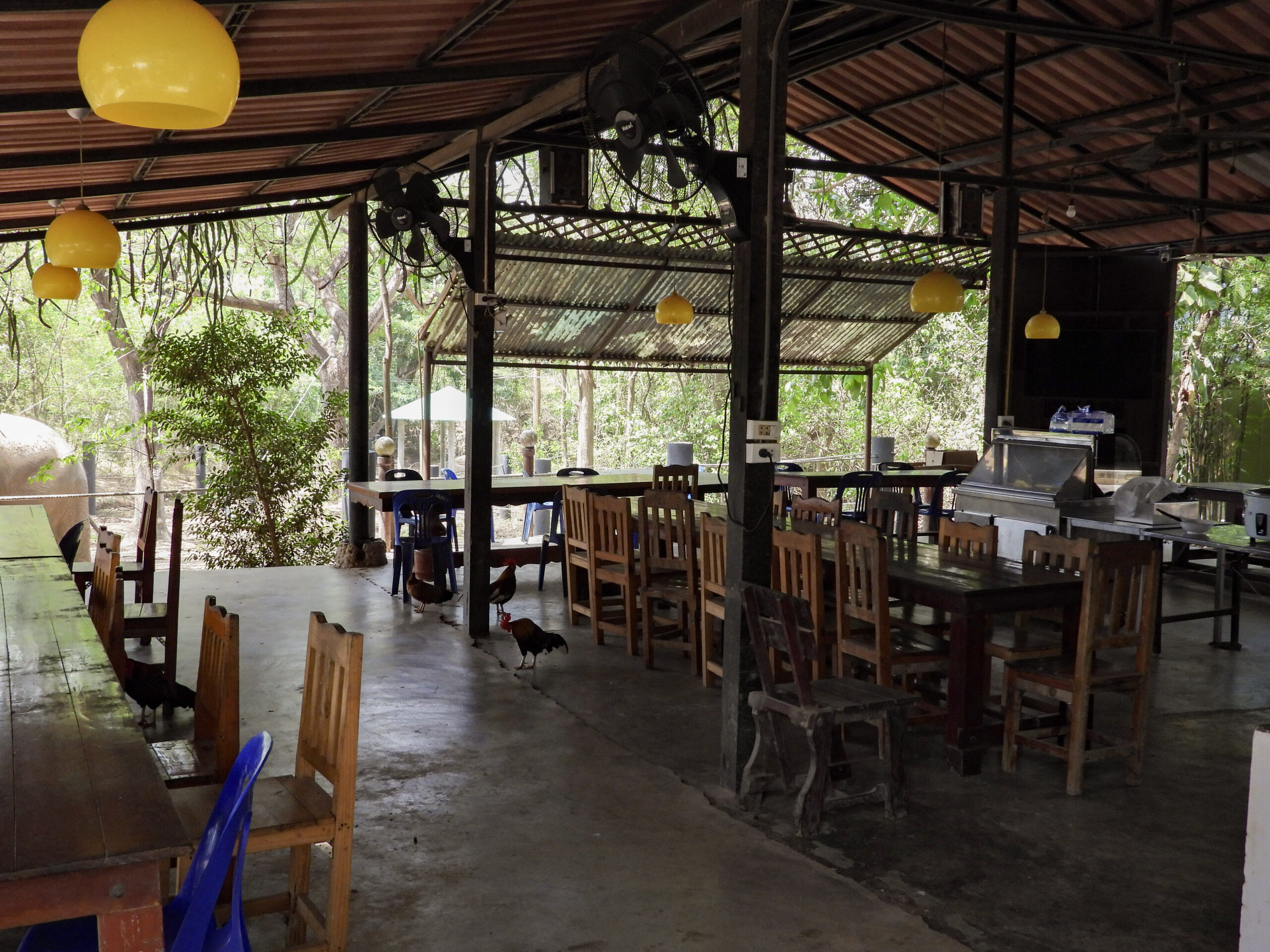
Breakfast, lunch and dinner are included, with vegetarian and vegan options available. Fresh filtered water is provided.
What's Included

  • Pre-departure support
  • Project Information Guide
  • On the job training
  • Accommodation
  • Meals
  • 24-hour in-country support
  • 24-hour O2E emergency phone
  • Certificate of Participation, if requested
  • We will arrange transfer to the project, you pay the driver

*Please note some items are not included in the project fees listed above, such as flights, visas, vaccinations, travel insurance, snacks, spending money, local transport, in-country tours and return airport transfer (unless mentioned above). Please note that prices are subject to change without notice. Please ensure you have read the O2E Volunteers Terms and Conditions.

Accommodation & Location

Accommodation & Location

How Your Contribution Creates Impact

1
Conservation & Program Delivery 78%

Conservation & Program Delivery 78%

Your core experience: hands-on wildlife care, habitat support, local nourishment, and field guidance from local hosts.

2
Conservation & Program Delivery

Conservation & Program Delivery

Fair wages for local teams contributing directly to the success and safety of your project.

3
Conservation & Program Delivery

Conservation & Program Delivery

Your accommodation onsite: safe, eco-conscious, and locally run.

4
Program Coordination 8%

Program Coordination 8%

Essential behind-the-scenes work: staffing, logistics, volunteer onboarding and ethical oversight.

5
Governance & Compliance 10%

Governance & Compliance 10%

Taxes, permits, and legal charges that uphold international and local standards.

6
Donation 4%

Donation 4%

Future Impact Fund – Additional contributions that extend support beyond your stay through ethical projects.
Sid K.

Sid K.

One of the most fulfilling experiences I’ve had in a long time. The animals here are truly well cared for and, most importantly, they are allowed to simply be animals. They have ample space to roam, natural environments, and the freedom to behave naturally, which is something you rarely see.
wpChatIcon
wpChatIcon